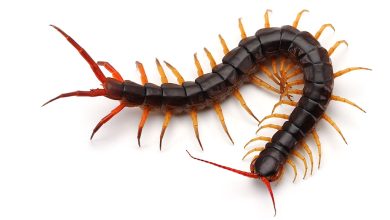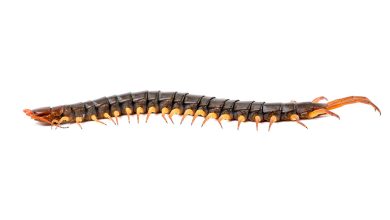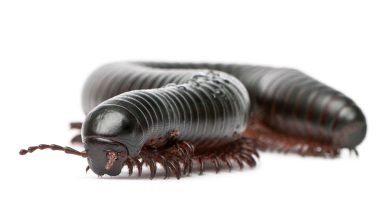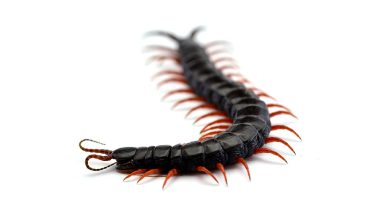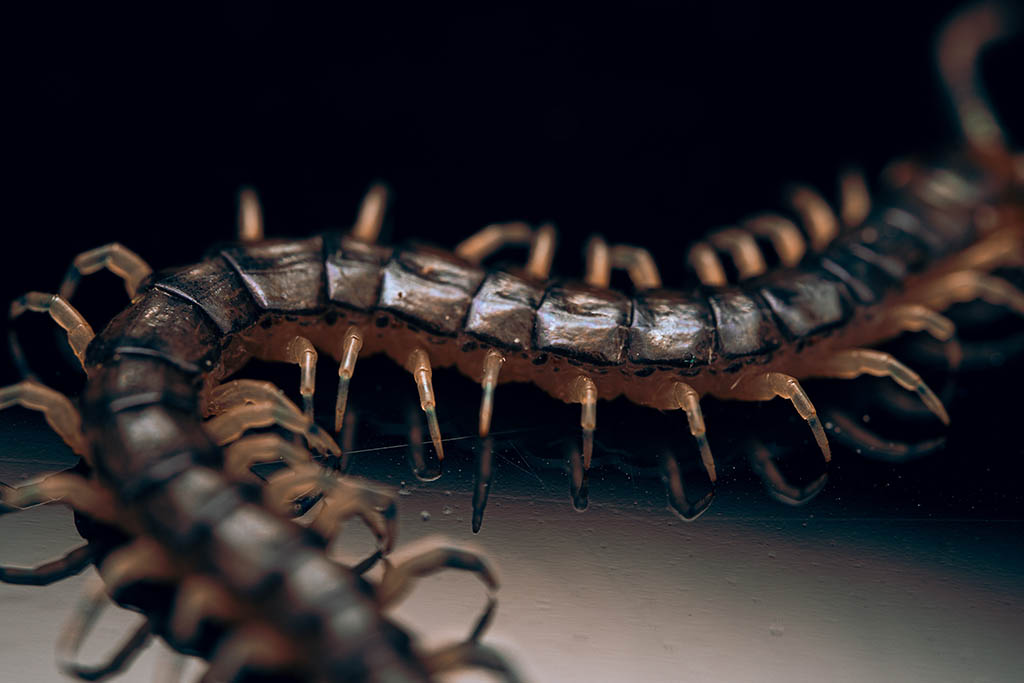
Centipedes are fascinating arthropods with unique behaviours that are deeply rooted in their biology, ecology, and survival strategies. Whether observed in the wild or kept as exotic pets, understanding centipede behaviour offers insights into their predatory instincts, social dynamics, and adaptability.

Physical Adaptations and Movement
Centipedes are renowned for their segmented bodies, which facilitate their distinctive undulating movement. This locomotion, achieved through coordinated waves of leg motions, allows them to traverse diverse terrains, climb surfaces, and manoeuvre with precision during hunting or escape. Their agility is a key factor in their ability to capture prey and avoid predators
Physical Adaptations and Movement
Centipedes are renowned for their segmented bodies, which facilitate their distinctive undulating movement. This locomotion, achieved through coordinated waves of leg motions, allows them to traverse diverse terrains, climb surfaces, and manoeuvre with precision during hunting or escape. Their agility is a key factor in their ability to capture prey and avoid predators
Hunting and Feeding Strategies
As predatory creatures, centipedes are formidable hunters. They employ a combination of stealth, speed, and venom to subdue their prey. Centipedes possess specialised venomous forcipules (modified front legs) used to inject toxins into their victims, immobilising them. Digestive enzymes further break down prey tissues for consumption. Their diet primarily consists of insects, spiders, and other small invertebrates, though some larger species can target small vertebrates
Nocturnal Lifestyle
Centipedes are predominantly nocturnal, meaning they are most active during the night. This behaviour minimises encounters with predators and enables them to take advantage of unsuspecting prey. During the day, they seek refuge in dark, damp environments such as under rocks, logs, or within soil crevices
Defensive Behaviours
To evade predators, centipedes employ several defensive strategies:
- Secretion of Toxins: Certain species can release a toxic liquid as a deterrent.
- Autotomy: Some can sacrifice a leg to distract predators and escape.
- Coiling: Rolling into a ball protects their vulnerable underside.
These mechanisms reflect their evolution as both predators and prey in the natural hierarchy.
Social and Territorial Dynamics
Centipedes are predominantly solitary creatures and exhibit territorial behaviour. They may aggressively defend their space from other centipedes or potential threats. Despite this, occasional aggregation behaviours occur, particularly in specific species during mating or when seeking favourable microhabitats
Communication and Reproduction
Centipedes communicate primarily through chemical and tactile means. During mating, males and females engage in intricate courtship rituals involving pheromone signals and antennal tapping. Once mating is successful, females may exhibit parental care, guarding their eggs and ensuring proper environmental conditions for hatching

Environmental Sensitivity
Centipedes are highly sensitive to environmental factors such as humidity, temperature, and light. They demonstrate behaviours like phototaxis (movement in response to light) and thermoregulation to maintain optimal conditions. Changes in these factors can significantly impact their activity and survival
Moulting and Growth
Like many arthropods, centipedes undergo moulting to grow and repair damaged body parts. This process is critical yet leaves them vulnerable to predators and environmental stressors. Providing safe retreat areas and maintaining appropriate humidity levels are essential for captive centipedes during this stage
Human Interactions
While centipedes generally avoid humans, they may bite if provoked. Their venom, though not typically life-threatening, can cause pain, swelling, and irritation. Despite these risks, centipedes play an important ecological role in controlling pest populations, highlighting their significance in biodiversity and ecosystem balance
Understanding centipede behaviour reveals their complexity as both predators and prey. Their survival strategies, environmental interactions, and territorial instincts are testaments to their evolutionary success. For enthusiasts keeping centipedes as pets, respecting these natural behaviours is key to providing an enriching and safe environment.
References: