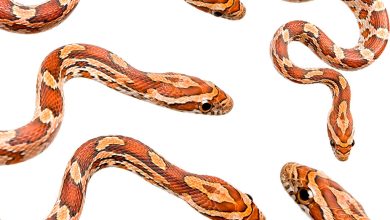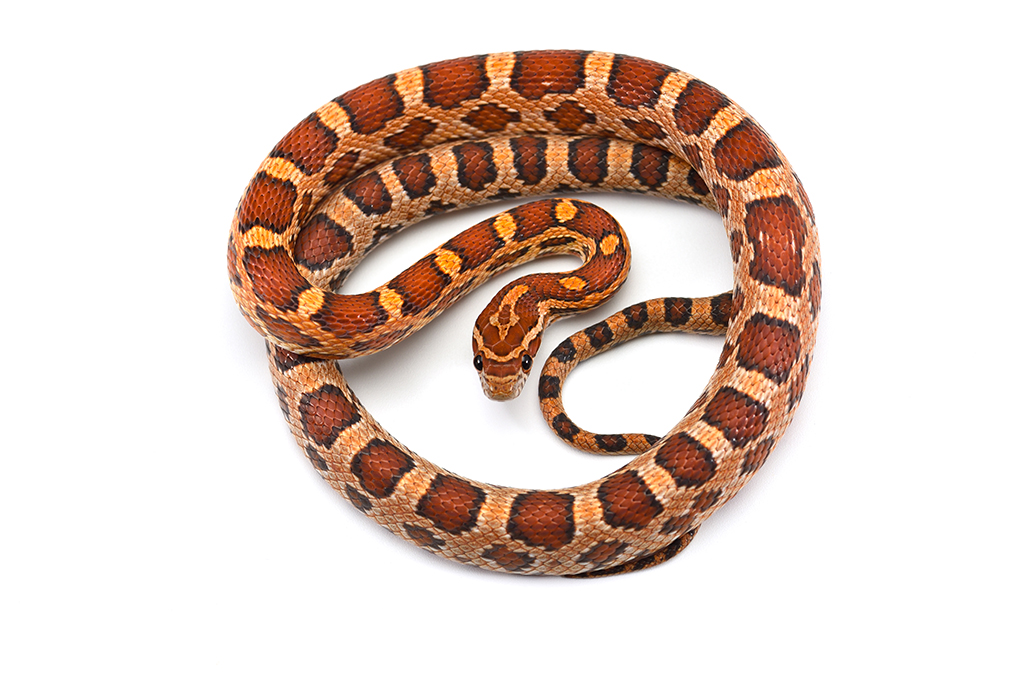
Corn snakes (Pantherophis guttatus) are popular pets known for their calm temperament, vibrant colours, and manageable size. Providing the right environment is crucial to ensuring your corn snake remains healthy and happy. Among the many factors to consider, lighting plays a significant role in mimicking their natural habitat and promoting their overall well-being. This article serves as a comprehensive guide to understanding the lighting needs of corn snakes, covering essential aspects such as types of lighting, duration, effects of light, and practical tips for creating an optimal lighting environment.

Understanding Corn Snake Habitat
To appreciate the lighting requirements of corn snakes, it’s essential to understand their natural habitat. Originating from the southeastern United States, corn snakes inhabit a variety of environments, including forests, grasslands, and agricultural fields. They are primarily terrestrial and often seek refuge in burrows or under logs and rocks. While they do bask in the sun, they also enjoy shaded areas, highlighting the importance of providing a balanced lighting scheme in captivity.
Types of Lighting for Corn Snakes
1. Ambient Lighting
Ambient lighting refers to the general light that illuminates the entire enclosure. This type of lighting creates a baseline light level that helps your snake perceive its surroundings. While corn snakes do not require bright light like some other reptiles, maintaining a natural day-night cycle is crucial for their well-being.
Recommended Products:
- LED Light Strips: These can provide a soft glow that mimics natural daylight. They are energy-efficient and can be adjusted for brightness.
- Fluorescent Tubes: Full-spectrum fluorescent lights can provide a broad spectrum of light that can simulate natural daylight.
2. Basking Light
Corn snakes are ectothermic, meaning they rely on external heat sources to regulate their body temperature. While they do not bask in the same way as more tropical species, a localised heat source is still beneficial. A basking light helps create a temperature gradient in the enclosure, allowing your corn snake to move between warm and cool areas.
Recommended Products:
- Basking Bulbs: These are typically incandescent bulbs that emit both light and heat. A 75-100 watt bulb is usually sufficient for a standard-sized enclosure.
- Ceramic Heat Emitters: These provide heat without light, which can be useful for maintaining a consistent temperature at night.
3. UVB Lighting
While corn snakes do not have the same UVB requirements as some other reptiles, providing a low level of UVB exposure can still be beneficial. UVB lighting helps with calcium metabolism and overall health, particularly in younger snakes.
Recommended Products:
- UVB Fluorescent Bulbs: A low-level UVB bulb can be installed in the enclosure to provide some exposure without overwhelming the snake.
- Mercury Vapour Bulbs: These provide both heat and UVB light, but they should be used with caution due to their high output.
Lighting Duration
The duration of light exposure is another crucial aspect of your corn snake’s environment. Ideally, you should aim for a lighting cycle that mimics the natural day-night cycle:
- Daytime Lighting: 10-12 hours of light daily.
- Nighttime Lighting: 12-14 hours of darkness.
This cycle helps regulate the snake’s circadian rhythm, influencing its feeding, shedding, and overall behaviour.
Seasonal Changes
Corn snakes experience seasonal changes in their natural habitat, which can affect their activity levels. In captivity, you may adjust the light duration slightly to simulate these changes, allowing for longer days in spring and summer and shorter days in autumn and winter.
Effects of Light on Corn Snakes
Proper lighting impacts various aspects of your corn snake’s health and behaviour:
1. Behavioural Health
Corn snakes rely on light to regulate their activity levels. Inadequate lighting can lead to lethargy or stress, which can result in a lack of appetite or unusual behaviour. A well-lit enclosure encourages natural exploration and activity, promoting a healthy lifestyle.
2. Thermoregulation
As ectothermic animals, corn snakes require a temperature gradient to regulate their body temperature effectively. Proper lighting helps create this gradient, allowing the snake to bask in warmer areas while retreating to cooler sections when needed.
3. Shedding
Adequate lighting, particularly UVB exposure, can aid in the shedding process. Snakes rely on environmental factors to trigger shedding, and proper lighting can help ensure they shed their skin effectively.
4. Metabolic Health
Exposure to UVB light assists in calcium metabolism, crucial for young and growing snakes. While corn snakes may not need as much UVB as other reptiles, incorporating it into their environment can still provide health benefits.
Setting Up Lighting for Your Corn Snake
Creating an optimal lighting setup involves more than just choosing the right bulbs. Consider the following steps:
1. Choosing the Right Enclosure
The size and type of your corn snake’s enclosure will influence your lighting choices. A well-ventilated glass terrarium allows for adequate light penetration. Ensure that the enclosure has a secure lid to prevent escapes and keep the environment stable.
2. Positioning the Lights
Proper positioning of the lights is essential. Place the basking light above one end of the enclosure to create a temperature gradient, with the cooler end remaining at a lower temperature. Ambient lighting should be spread evenly throughout the enclosure.
3. Monitoring Temperature and Humidity
Invest in reliable thermometers and hygrometers to monitor the temperature and humidity levels in the enclosure. Ideal temperatures for corn snakes range between 24°C to 29°C (75°F to 85°F) on the cool side and 27°C to 32°C (80°F to 90°F) on the warm side. Humidity levels should be maintained between 40-60%.
4. Using Timers
To create a consistent day-night cycle, consider using timers for your lighting. This ensures that the lights turn on and off at the same time each day, helping regulate your snake’s circadian rhythm.
5. Regular Maintenance
Regularly check your lighting equipment for any signs of wear or malfunction. Replace bulbs as needed and ensure that the fixtures are clean and functioning correctly.

Troubleshooting Common Lighting Issues
1. Inadequate Heat
If your snake appears lethargic or is spending excessive time in the cool end of the enclosure, it may indicate inadequate heat. Check the basking bulb wattage and consider using a higher wattage bulb or a different type of heat source.
2. Excessive Brightness
If your corn snake seems stressed or hides excessively, the lighting may be too bright. Consider adjusting the bulb wattage or using a dimmer switch to control the intensity.
3. Temperature Fluctuations
Regularly monitor the temperatures in your enclosure. If you experience significant fluctuations, consider adjusting the placement of the heat source or adding additional heating elements.
Providing the right lighting for your corn snake is crucial for their health and well-being. By understanding the types of lighting, their effects, and how to set them up properly, you can create a thriving environment for your pet. Remember to consider the natural habitat of corn snakes, mimicking the day-night cycle and providing opportunities for basking and cooling. Regular monitoring and maintenance of your lighting setup will help ensure your corn snake leads a healthy, active life.
References
Ball, R. (2000). The Corn Snake Manual. 1st ed. USA: Immanence Publishing.
Cook, R. (2012). The Complete Guide to Corn Snakes: Care, Breeding and Genetics. 2nd ed. UK: Reptiles Magazine.
Gibbons, W. J., & Dorcas, M. E. (2004). Snakes of the Eastern United States. 1st ed. USA: University of Georgia Press.
Glaudas, X., & Rodda, G. H. (2016). The Evolutionary Ecology of Corn Snakes. 1st ed. USA: Journal of Herpetology.
Spence, C. (2009). Lighting Requirements for Reptiles. 1st ed. USA: Reptile Magazine.