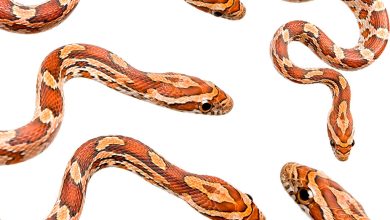
Corn snakes (Pantherophis guttatus), native to the southeastern United States, are among the most popular pet snakes due to their docile nature, manageable size, and beautiful colour patterns. With proper care, they can live for 15 to 20 years, but like any pet, they can encounter various health issues. Understanding the basics of corn snake health, recognising potential signs of illness, and providing the correct husbandry are essential for maintaining their well-being.
This article will cover essential aspects of corn snake health, including nutrition, environmental needs, common diseases, and preventative care, to help ensure your pet lives a long and healthy life.
General Health and Vital Signs
A healthy corn snake will exhibit the following characteristics:
- Clear, bright eyes: When a corn snake is in good health, its eyes will be clear, and not sunken or cloudy (except during the shedding process).
- Regular, healthy shedding: Shedding is a normal part of a snake’s life cycle, and healthy snakes shed their skin in one continuous piece. If the shed is incomplete or fragmented, this could be a sign of health or husbandry issues.
- Firm, smooth skin: Healthy corn snakes should have firm, glossy, and smooth skin. Any signs of discolouration, swelling, or lesions could indicate an issue.
- Good muscle tone: Corn snakes should feel firm to the touch, with no bony protrusions along their spine or ribs.
- Normal behaviour: Healthy corn snakes are usually active and inquisitive, especially during the night, as they are crepuscular (most active at dawn and dusk).
Corn Snake Nutrition
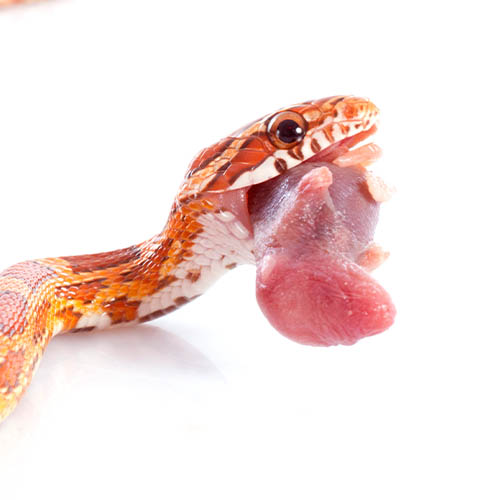
A key aspect of corn snake health is proper nutrition. In the wild, corn snakes primarily feed on small rodents and birds. In captivity, a diet consisting of appropriately sized rodents (such as mice) is ideal.
- Feeding schedule: Juvenile corn snakes should be fed once every 5-7 days, while adults can be fed every 7-10 days. Larger meals can be spaced out slightly longer. It’s crucial not to overfeed, as obesity is a common problem in captive snakes.
- Prey size: The size of the prey should correspond to the widest part of the snake’s body. Overly large prey can cause regurgitation or digestive problems.
- Hydration: Although corn snakes get most of their water from prey, they still need access to a clean water source at all times. Dehydration can lead to shedding problems and other health issues.
Environmental Needs and Husbandry
Providing the right environment for a corn snake is essential for maintaining its health. Improper housing conditions can lead to stress, illness, and other health complications.
- Temperature and humidity: Corn snakes are ectothermic, meaning they rely on external heat sources to regulate their body temperature. The enclosure should have a temperature gradient, with a warm side (around 27-30°C or 80-86°F) and a cooler side (around 22-24°C or 71-75°F). Night-time temperatures can drop slightly, but they should never fall below 20°C (68°F). Humidity should be kept between 40-60%, though a slight increase during shedding is beneficial.
- Enclosure size: For adult corn snakes, the minimum enclosure size should be around 3ft in length, but ideally 4ft. A secure lid or lockable glass doors is essential, as corn snakes are adept escape artists.
- Substrate: Appropriate substrates include aspen shavings, lignocel, hemp, newspaper or paper towels. Avoid using cedar or pine, as these can release harmful oils. It’s also important to keep the substrate clean and dry to prevent respiratory issues and skin infections.
- Hides: Provide at least two hides—one on the warm side and one on the cool side of the enclosure. Snakes need a secure place to retreat, which reduces stress and supports their well-being.
Common Health Issues
a. Respiratory Infections
Respiratory infections (RIs) are one of the most common health problems in corn snakes, usually caused by improper humidity, cold temperatures, or poor hygiene in the enclosure.
Symptoms:
- Wheezing or clicking noises during breathing
- Bubbles or mucus around the nostrils and mouth
- Open-mouth breathing
- Lethargy and reduced appetite
Treatment: RIs require veterinary attention, often involving antibiotics. The owner should ensure the enclosure is clean, with the correct temperature and humidity to aid recovery.
b. Mouth Rot (Infectious Stomatitis)
Mouth rot is a bacterial infection affecting the snake’s mouth and gums. It’s often the result of injury or poor hygiene.
Symptoms:
- Red, swollen, or bleeding gums
- Pus or mucus discharge from the mouth
- Refusal to eat
Treatment: A vet will likely prescribe antibiotics or antiseptic treatments. Improving the cleanliness of the snake’s environment and ensuring it has a properly balanced diet can prevent future cases.
c. Shedding Problems (Dysecdysis)
Corn snakes regularly shed their skin, but improper shedding, known as dysecdysis, can occur due to poor humidity, dehydration, or underlying illness.
Symptoms:
- Retained skin, especially around the eyes (spectacles)
- Dry, patchy skin after an incomplete shed
Treatment: Providing a humidity box or gently soaking the snake in lukewarm water can help. Persistent issues may indicate a deeper health problem, requiring veterinary advice.
d. Parasites
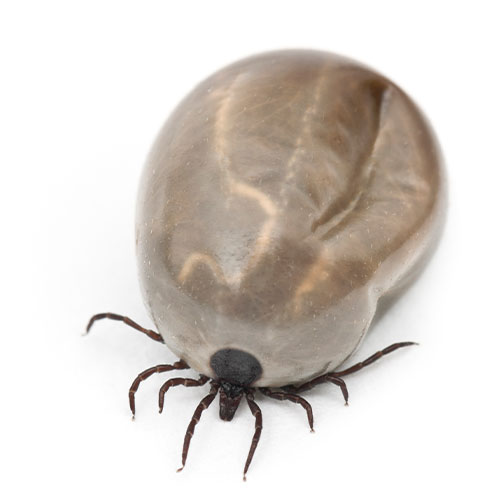
Both external parasites (mites and ticks) and internal parasites (worms) can affect corn snakes. Mites are particularly problematic in captive environments.
Symptoms:
- Visible mites (tiny, moving dots) on the skin
- Excessive soaking in the water bowl
- Lethargy and loss of appetite (in the case of internal parasites)
Treatment: Mites can be treated with reptile-safe anti-mite sprays or wipes, while internal parasites require veterinary diagnosis and prescription of deworming medication.
e. Regurgitation
Regurgitation, when a snake vomits up its food shortly after eating, can occur due to stress, overhandling, feeding too soon after handling, or feeding prey that is too large.
Treatment: Ensure the snake is not handled for at least 48 hours after eating. If regurgitation persists, veterinary advice is necessary, as it can indicate an infection or digestive issue.
Preventative Care and Monitoring
a. Regular Check-ups
Even if your corn snake appears healthy, periodic veterinary check-ups are essential for catching potential health problems early. A vet experienced in reptile care can perform a full health assessment and check for signs of internal parasites, infections, or other issues.
b. Quarantine New Snakes
Whenever introducing a new snake to your collection, it’s vital to quarantine the animal for at least 30 to 60 days to ensure it’s not carrying any infectious diseases or parasites that could spread to other snakes.
c. Routine Cleaning
Regular cleaning of the enclosure is essential for your corn snake’s health. Spot clean daily, removing any waste or uneaten prey. Full enclosure cleanings (with substrate replacement) should be done at least once a month. Disinfecting the enclosure and accessories using reptile-safe disinfectants can help prevent infections.
d. Handling and Stress Reduction
Corn snakes are relatively easy to handle compared to other snake species. However, overhandling can stress them out, especially after eating or shedding. Try to handle your snake 2-3 times per week, for short periods, and always support its body to make it feel secure.
Stress can weaken a corn snake’s immune system, leading to susceptibility to infections or other illnesses. Signs of stress include excessive hiding, striking, or attempts to escape.
6. Breeding and Reproductive Health
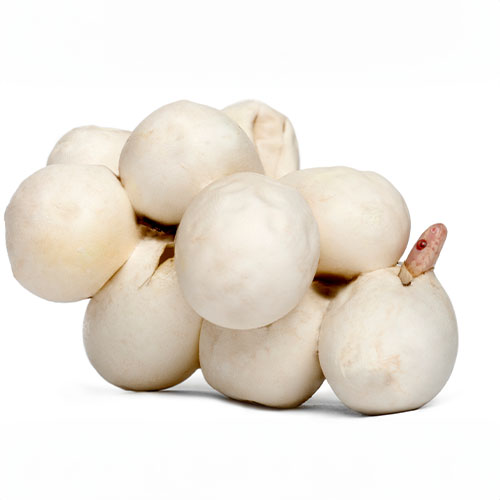
If you decide to breed your corn snakes, ensure you are well-prepared, as pregnancy and egg-laying (oviposition) can put strain on a female’s health. Female corn snakes should be at least three years old before breeding, and weigh around 350 grams. Breeding too early or with an underweight snake can cause reproductive complications.
Common Reproductive Issues:
- Egg binding (dystocia): This occurs when a female snake is unable to pass her eggs. Symptoms include swelling and restlessness. If left untreated, this can be fatal.
- Pre-ovulation shedding: Female corn snakes usually shed about 10-14 days before laying eggs, which is a good indication of a successful breeding. Ensure the female has plenty of water and maintain proper humidity to assist in shedding.
Signs of a Healthy Corn Snake
Monitoring your snake’s overall health should be an ongoing process. Here’s a quick checklist of signs to look for to ensure your snake remains in good health:
- Active and alert: Healthy corn snakes are curious and responsive to their surroundings.
- Smooth, even scales: There should be no rough patches, sores, or abnormalities.
- Good appetite: A healthy snake will eat regularly and maintain a steady weight.
- Complete sheds: Proper humidity and care will allow the snake to shed its skin fully and without difficulty.
- Firm stools: Snake waste should be firm and not excessively watery.
Owning a corn snake is a rewarding experience, but it requires a commitment to their health and well-being. By providing the proper environment, a balanced diet, and regular monitoring, you can prevent many common health issues and ensure your corn snake leads a long, healthy life.
Understanding the signs of illness and knowing when to seek veterinary care are critical components of being a responsible pet owner. With attentive care and proactive health management, your corn snake will thrive in captivity for years to come.
References
Harkewicz, K. A., & Stahl, S. J. (2020). “Reptile Diseases and Treatments: A Review,” Journal of Exotic Pet Medicine, 29(2), 24-36. journalofexoticpetmedicine.com.
Barker, D., & Barker, T. (2018). Corn Snakes: The Comprehensive Owner’s Guide. Advanced Vivarium Systems. advancedvivarium.com.
Frye, F. L. (1991). Reptile Care: An Atlas of Diseases and Treatments. TFH Publications. tfhpublications.com.
Mattison, C. (2007). Keeping Corn Snakes. B.E.S. Publishing. bespublishing.com.
Mader, D. R. (2005). Reptile Medicine and Surgery. Saunders Elsevier. elsevier.com.
Warwick, C., Frye, F. L., & Murphy, J. B. (1995). Health and Welfare of Captive Reptiles. Chapman & Hall. chapmanandhall.com.