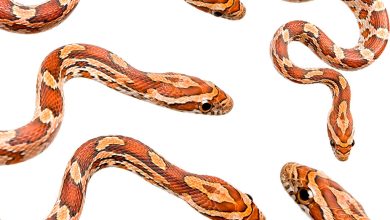
Corn snakes (Pantherophis guttatus) are one of the most popular pet reptiles, cherished for their striking colours, docile nature, and relatively manageable care requirements. However, many owners may overlook the importance of creating a suitable habitat for their snakes. One of the best ways to provide a healthy and stimulating environment for your corn snake is through a bioactive enclosure. This article will explore the concept of bioactive setups, the specific needs of corn snakes, and step-by-step guidance on creating a thriving habitat.
What is a Bioactive Enclosure?
A bioactive enclosure mimics a natural ecosystem, allowing for interactions between living organisms within the habitat. It typically includes various elements:
- Substrate: A layer that supports plant growth and provides a habitat for microfauna.
- Plants: Live plants that contribute to the ecosystem’s balance and improve air quality.
- Microfauna: Small organisms that decompose waste and break down organic material.
- Fauna: Depending on the design, you may also include other small creatures, such as beneficial insects.
The idea is to create a self-sustaining environment that requires less frequent cleaning and upkeep compared to traditional setups. In such an enclosure, living organisms work together to break down waste, maintain humidity, and provide a more natural habitat for your corn snake.
Benefits of a Bioactive Enclosure
Creating a bioactive enclosure offers several advantages over conventional setups:
- Improved Hygiene: Microfauna, such as springtails and isopods, help manage waste by consuming organic material, reducing the buildup of harmful bacteria.
- Natural Behaviours: A bioactive environment encourages corn snakes to engage in behaviours like burrowing, climbing, and exploring, which can lead to reduced stress and improved mental health.
- Enhanced Aesthetics: Live plants and a diverse ecosystem create a visually appealing enclosure that can become a focal point in your home.
- Stable Environment: The interactions among plants and microfauna help regulate humidity and temperature, creating a more stable habitat.
- Lower Maintenance: Once established, a bioactive enclosure generally requires less frequent cleaning compared to traditional setups, as the ecosystem manages waste effectively.
Understanding Corn Snake Needs
Before diving into creating a bioactive enclosure, it’s essential to understand the specific needs of corn snakes. These needs will guide you in setting up an appropriate habitat:
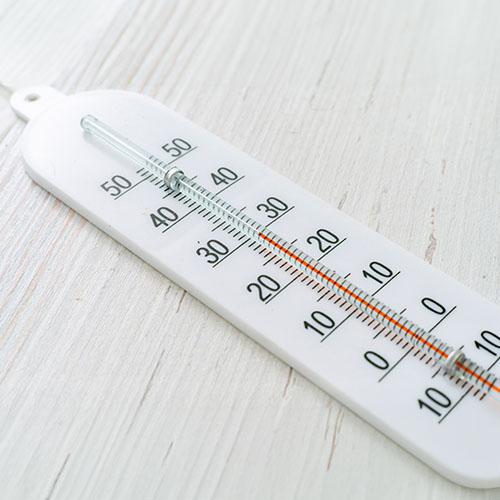
- Temperature: Corn snakes require a temperature gradient in their enclosure. The warm side should range from 27°C to 29°C (80°F to 85°F), while the cool side should be around 21°C to 24°C (70°F to 75°F). A temperature drop at night is also beneficial.
- Humidity: Corn snakes thrive in humidity levels between 40% and 60%. Proper humidity is essential for shedding and overall health.
- Lighting: While corn snakes do not require UVB lighting, having a day-night cycle can help regulate their biological clock. A regular light source can also support plant growth.
- Space: Adult corn snakes require a minimum enclosure size of 3ft vivarium, but larger is always better. Vertical space is as important as horizontal space, as corn snakes are natural climbers.
Planning Your Bioactive Enclosure
Size and Type of Enclosure
Choose an enclosure that allows for proper ventilation and security. Glass terrariums or specially designed reptile enclosures with a secure lid are excellent options. The size of the enclosure will depend on the size and age of your corn snake. For a juvenile, a smaller enclosure can suffice, but as the snake grows, it will require more space.
Location
The location of your enclosure plays a crucial role in temperature and humidity management. Place the enclosure away from direct sunlight to avoid overheating, and ensure it is in a room with a stable temperature. Avoid placing the enclosure near air conditioning vents or heaters, as these can cause temperature fluctuations.
Substrate Selection
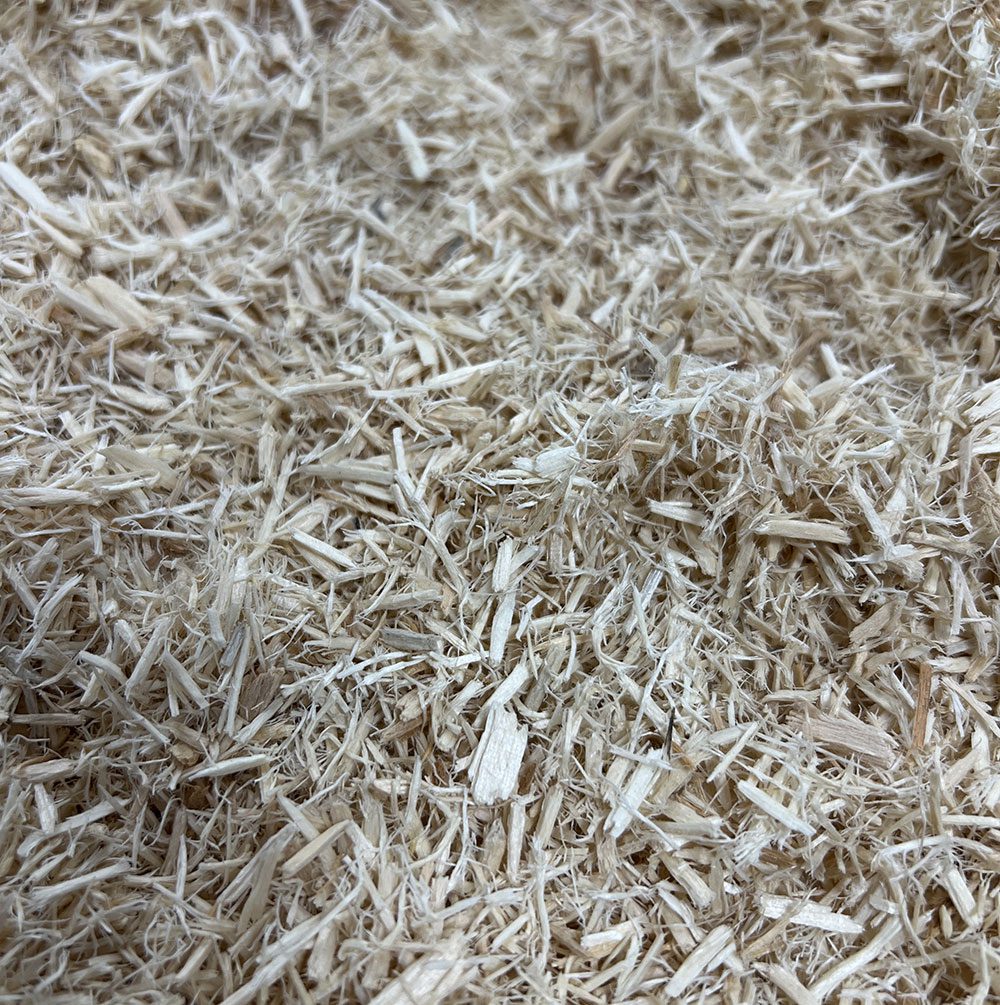
Choosing the right substrate is vital for a bioactive enclosure. You need a mix that retains moisture for plant growth but also allows for adequate drainage. Here are some popular substrate options:
- Coconut Coir: This organic material retains moisture well and provides good drainage, making it an excellent choice for a bioactive enclosure.
- Reptile Soil Mixes: These are reptile safe soil often mixed with coconut coir or vermiculite for moisture retaining properties.
- Organic Topsoil: Choose chemical-free, organic topsoil as a base layer. It provides nutrients for plants and can help retain moisture.
- Sand: A small amount of sand can be mixed in to improve drainage and create a more natural feel.
A common substrate mix for a bioactive enclosure might consist of 60% coconut coir, 30% reptile safe soil, and 10% sand. This mixture allows for good water retention while promoting healthy root growth for your plants.
Building the Bioactive Enclosure
Step 1: Setting Up the Base
- Clean the Enclosure: Before adding any substrate, clean the enclosure thoroughly to remove any chemicals or contaminants.
- Layering the Substrate: Start with a drainage layer at the bottom, which can consist of small rocks or hydroponic clay balls. This layer will help excess water drain away from the substrate. Then, add your substrate mix to a depth of 4 to 6 inches.
Step 2: Adding Plants
Choosing the right plants is crucial for a successful bioactive enclosure. Select plants that are safe for corn snakes and can thrive in a humid environment. Suitable plants include:
- Pothos (Epipremnum aureum): A hardy vine that tolerates various light conditions and helps purify the air.
- Spider Plant (Chlorophytum comosum): Resilient and easy to care for, this plant thrives in humid environments.
- Peace Lily (Spathiphyllum): Known for its attractive blooms and air-purifying qualities, this plant can tolerate lower light levels.
- Boston Fern (Nephrolepis exaltata): Thrives in moist conditions and provides cover for your snake.
When planting, arrange the plants in a way that allows ample space for your snake to move around. Make sure to secure the plants well, as corn snakes enjoy burrowing and exploring.
Step 3: Introducing Microfauna
Microfauna play an essential role in maintaining a healthy bioactive environment. They will help break down waste and aerate the substrate. Common microfauna options include:
- Springtails: Tiny insects that thrive in moist environments, springtails feed on decaying plant matter and waste.
- Isopods: Also known as pillbugs or roly-polies, isopods break down organic matter and are larger than springtails, making them easier to spot.
You can purchase these microfauna online or from local pet stores. Introduce them to your enclosure after the plants are established, allowing them to populate the substrate.
Step 4: Adding Focal Points and Hides
Corn snakes need hiding spots and climbing opportunities to feel secure in their environment. You can use natural materials such as cork bark, driftwood, or commercially available reptile hides.
- Hiding Spots: Provide at least two hiding spots in the enclosure—one on the warm side and one on the cool side—so the snake can thermoregulate effectively.
- Climbing Opportunities: Branches or climbing structures not only provide enrichment but also allow your snake to explore its environment more fully.
Step 5: Maintaining the Bioactive Enclosure
A bioactive enclosure requires regular maintenance, though it is generally less intensive than traditional setups:
- Monitor Plant Health: Check plants regularly for signs of pests or disease. Remove dead leaves and replace any plants that are not thriving.
- Check Microfauna Population: Ensure that the populations of springtails and isopods remain healthy. If you notice a decline, consider adding more or adjusting environmental conditions.
- Spot Clean Waste: Remove any uneaten food or waste products that may accumulate. This will help prevent odours and the growth of harmful bacteria.
- Humidity and Temperature Checks: Monitor humidity levels regularly, aiming for 40-60% humidity. Use a hygrometer to track levels and adjust as necessary by misting or adjusting the substrate.
Step 6: Introducing Your Corn Snake
Once your bioactive enclosure is established and stable, it’s time to introduce your corn snake. Allow it to acclimatise to its new environment. This can take time, so be patient and give your snake the space it needs to explore at its own pace.
Common Challenges and Solutions
While bioactive enclosures provide numerous benefits, you may encounter some challenges along the way. Here are common issues and solutions:
1. Pest Control
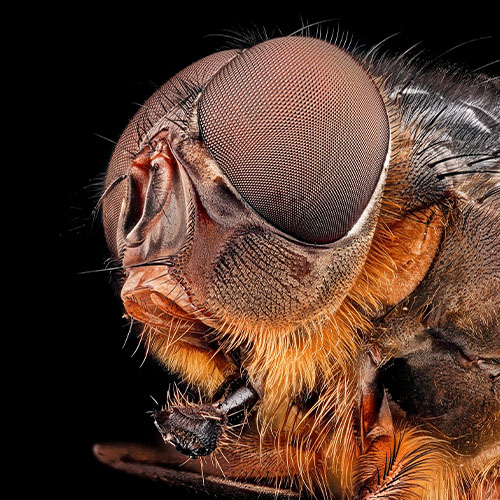
Sometimes, pests such as fruit flies or fungus gnats may invade your enclosure. Regular monitoring is crucial. If you encounter pests, consider introducing beneficial insects like predatory mites or removing affected plants and cleaning the enclosure.
2. Humidity Control
Maintaining proper humidity can be tricky. If humidity levels are too high, increase ventilation or adjust your watering routine. Conversely, if levels are too low, increase misting or add a humidity-retaining substrate like sphagnum moss.
3. Plant Growth Management
Plants may outgrow their space, competing with your snake for room. Regularly trim and prune plants to maintain a balanced environment. If a plant is growing too large, consider replacing it with a smaller option.
4. Microfauna Management
Sometimes, the microfauna population can fluctuate, especially if the conditions in the enclosure change. Monitor the health of the microfauna and adjust environmental conditions as needed. Adding organic matter to the substrate can also help sustain their populations.
5. Temperature Fluctuations
If you notice significant temperature fluctuations, consider adding heat mats or ceramic heat emitters to maintain a stable temperature gradient. Ensure there is a basking area on the warm side and cooler spots on the other side for thermoregulation.
Creating a bioactive enclosure for your corn snake can significantly enhance its quality of life, allowing it to thrive in a more natural and stimulating environment. By incorporating plants, microfauna, and proper management techniques, you can establish a beautiful and functional habitat that benefits both you and your pet.
With careful planning and regular maintenance, your corn snake will enjoy a vibrant ecosystem, allowing it to display natural behaviours and leading to a happier, healthier life. This approach not only enriches your pet’s life but also provides you with a rewarding experience as a keeper, allowing you to observe and appreciate the intricate relationships in a balanced ecosystem.
By embracing the concept of bioactive enclosures, you not only create a healthier habitat for your corn snake but also engage in a fascinating journey of ecosystem management that will enhance your appreciation for these remarkable creatures.
Additional Resources
- Books:
- The Reptile Room: A Guide to Keeping Reptiles by Peter and Linda E. Gibbons.
- Reptile Medicine and Surgery by Douglas R. Mader.
- Online Communities:
- Reptile Forums: Engage with other reptile enthusiasts and share experiences about bioactive enclosures.
- Social Media Groups: Many groups are dedicated to corn snakes and bioactive setups, providing a wealth of information.
References
Riddell, J. (2021). The Complete Guide to Bioactive Reptile Habitats. Reptile Magazine.
Pett, K. (2019). Creating a Bioactive Enclosure: Tips and Tricks. Herpetological Review.
Burt, R. (2020). A Beginner’s Guide to Bioactive Setups for Reptiles. The Reptile Report.
Brown, T. (2022). Corn Snakes: Natural History and Care. The Herpetological Journal.
Taylor, C. (2018). Plants for Reptile Enclosures: A Guide for Reptile Keepers. Reptiles Magazine.
Murray, L. (2023). Understanding Microfauna in Reptile Enclosures. Journal of Exotic Pet Medicine.
Kukielka, A. (2020). Caring for Your Corn Snake: A Practical Guide. Exotic Pet Care Journal.
Martin, J. (2022). The Ecology of Reptile Habitats: Bioactive Systems Explained. Journal of Herpetological Ecology.