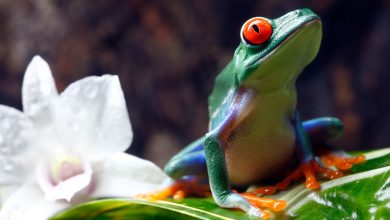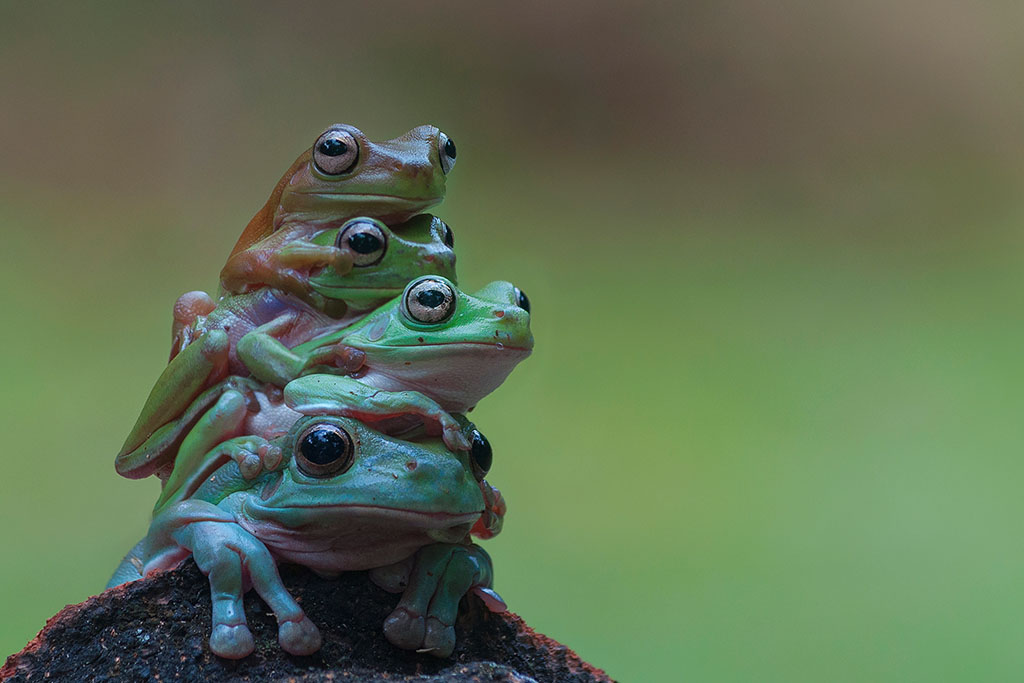
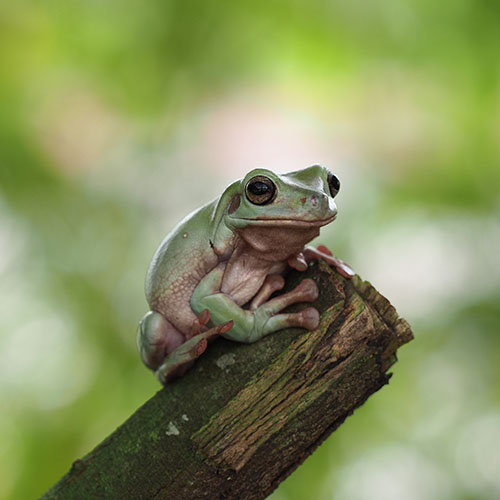
White’s Tree Frogs, also known as Dumpy Tree Frogs (Litoria caerulea), are popular amphibians known for their striking green or blue-green coloration, calm temperament, and relatively easy care. Native to Australia and New Guinea, these frogs are arboreal, spending much of their time in trees or on plants. While they make for relatively low-maintenance pets compared to other amphibians, creating the ideal habitat is essential for their health and wellbeing. In this guide, we’ll cover the top ten essential supplies for keeping White’s Tree Frogs, ensuring your pet’s environment is as close to perfect as possible.
1. Enclosure
The first and most crucial supply for your White’s Tree Frog is its enclosure, commonly known as a terrarium. Since these frogs are arboreal, they require a vertically oriented tank that provides plenty of height to climb. A glass terrarium with front-opening doors is ideal, as it allows easy access and better ventilation than a plastic enclosure.
- Size: For a single frog, a 30x30x45 cm (12x12x18 inch) enclosure is the minimum recommended size. However, a larger terrarium is always better to give them more room to explore.
- Material: Glass is ideal because it holds humidity well and allows excellent visibility. Make sure the terrarium has a secure lid to prevent escapes.
Pro Tip: Consider the Exo Terra Glass Terrarium or Zoo Med’s Naturalistic Terrarium as both provide excellent ventilation, ease of cleaning, and security.
2. Substrate
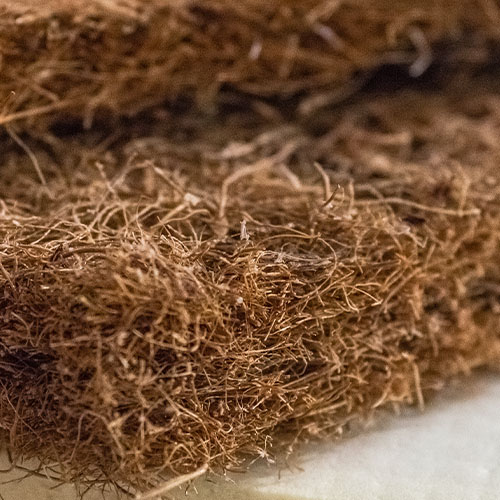
The substrate is the material placed on the bottom of the terrarium, and it plays a vital role in maintaining humidity, which is crucial for the health of White’s Tree Frogs. These frogs prefer a slightly moist environment but require a substrate that won’t promote bacterial growth or harm the frog if ingested.
- Recommended Substrates: Coconut fiber (coir), sphagnum moss, or a mix of both. These materials are natural, non-toxic, and excellent for retaining moisture without becoming waterlogged. Eco Earth or Zoo Med’s Forest Floor Bedding are popular options.
- Avoid: Gravel, sand, or bark chips, which can cause impaction if swallowed.
Pro Tip: A drainage layer made of clay balls or pebbles beneath the substrate can help prevent waterlogging and maintain a humid yet healthy environment.
3. Water Dish
White’s Tree Frogs need constant access to clean, dechlorinated water. A shallow water dish should always be present in their enclosure, large enough for the frog to soak in but not too deep to prevent accidental drowning.
- Type: Use a sturdy, non-toxic water dish that won’t easily tip over. Ceramic or resin dishes are preferable for their weight and durability.
- Water Quality: Always use dechlorinated or spring water. Tap water contains harmful chemicals like chlorine and chloramine, which can damage the sensitive skin of your frog. Water conditioners such as Zoo Med Reptisafe can neutralize these chemicals.
Pro Tip: Clean and refill the water dish daily to maintain hygiene and prevent the growth of harmful bacteria.
4. Climbing Structures and Hides
Since White’s Tree Frogs are arboreal, they require plenty of vertical climbing structures to feel at home. Additionally, providing hiding spots helps reduce stress by offering a sense of security.
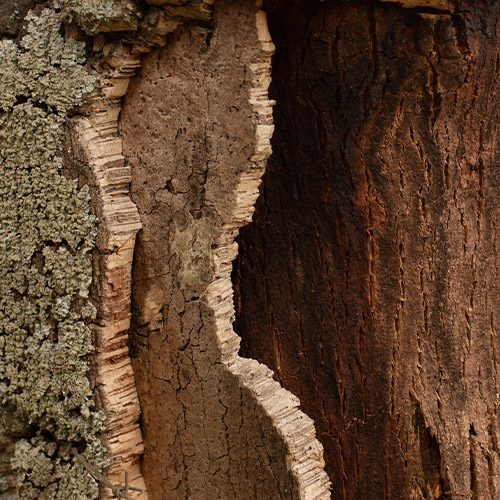
- Climbing Structures: Natural wood branches, cork bark, or artificial vines work well. Java wood and grapevine are both sturdy and visually appealing options. Make sure they are securely placed and can support the frog’s weight.
- Hides: Offer at least one or two hide spots, either among the branches or at ground level. Hollow logs, coconut hides, or resin caves are good choices.
Pro Tip: Make sure that any climbing decor is securely anchored and does not pose a risk of falling and injuring the frog.
5. Lighting and UVB
White’s Tree Frogs are nocturnal, meaning they are active during the night and don’t necessarily require UVB lighting to metabolize calcium as diurnal species do. However, providing a low-level UVB light is beneficial for overall health and stimulating natural behaviours.
- Lighting: A low-intensity UVB light, such as 5.0 or 5%, is recommended for maintaining their circadian rhythms and preventing metabolic bone disease. Use the light for about 10-12 hours a day to mimic a natural day-night cycle.
- Positioning: Ensure the UVB bulb is not too close to the frog to prevent burns. A mesh screen cover on the top of the enclosure will help diffuse the light while still allowing UVB rays to penetrate.
Pro Tip: If you live in an area where natural sunlight is limited, using a full-spectrum light can help promote the frog’s overall well-being.
6. Heating
White’s Tree Frogs thrive at temperatures between 22°C and 27°C (72°F-80°F) during the day, with a slight drop at night. While they don’t require extreme heat, maintaining a stable and comfortable temperature is essential.
- Heat Source: A low-wattage heat bulb, ceramic heat emitter, or under-tank heating pad can be used to maintain the correct temperature. A Dome Lamp is a good option for providing focused heat without overheating the enclosure.
- Thermostat: Use a thermostat to prevent overheating and ensure that the temperature remains stable. Monitoring temperature is critical, as overheating can cause dehydration and stress.
Pro Tip: Place thermometers at various levels in the enclosure to ensure a gradient of temperatures, allowing your frog to regulate its own body heat by moving around.
7. Humidity Control
Humidity is critical for White’s Tree Frogs, as they rely on a moist environment to keep their skin healthy. The humidity level should be kept between 50% and 70%, and misting the enclosure will help achieve this.
- Hygrometer: A digital hygrometer will help monitor humidity levels accurately.
- Misting: Regular misting of the terrarium with dechlorinated water is essential. You can mist the enclosure by hand or invest in an automatic misting system, such as the Exo Terra Monsoon or Zoo Med ReptiRain. These systems are excellent for maintaining consistent humidity without manual effort.
Pro Tip: Live plants like pothos or bromeliads not only enhance the natural look of the habitat but also help in maintaining humidity levels.
8. Thermometer and Hygrometer
Monitoring the environmental conditions within your frog’s enclosure is essential to prevent illness. Maintaining proper temperature and humidity ensures that your White’s Tree Frog remains healthy and stress-free.
- Thermometers: A digital thermometer with a probe is the most accurate way to monitor temperature. Place probes in both the warm and cool areas of the terrarium.
- Hygrometer: A combination thermometer and hygrometer is a handy option for keeping track of both temperature and humidity simultaneously.
Pro Tip: Regularly check your equipment to ensure it is working correctly, as even minor fluctuations in temperature or humidity can affect your frog’s health.
9. Diet and Feeding Supplies
White’s Tree Frogs are insectivores, and feeding them a varied diet is important for their nutrition. Their diet should consist primarily of live insects, such as crickets, locusts, and roaches, with the occasional treat of waxworms or mealworms.
- Gut-Loading: Before feeding your frog, make sure to “gut-load” the insects by feeding them nutritious foods like leafy greens, carrots, or commercial gut-loading diets. This ensures that your frog is receiving the necessary vitamins and minerals.
- Calcium and Vitamin Supplements: Dust the feeder insects with a calcium supplement containing vitamin D3 two or three times a week. Additionally, use a multivitamin supplement once a week to prevent nutrient deficiencies.
- Feeding Tongs: While some frogs will hunt down their prey, using feeding tongs can help you control portion sizes and prevent any injury to your frog from overly aggressive insects.
Pro Tip: Only feed your White’s Tree Frog what it can eat in a few minutes, usually three to five crickets per feeding, to prevent overfeeding and obesity.
10. Cleaning Supplies
Maintaining a clean terrarium is essential for the health of your White’s Tree Frog. Regular cleaning prevents the buildup of harmful bacteria and waste that can lead to illness.
- Spot Cleaning: Use reptile-safe disinfectants to clean up waste and uneaten food regularly. Products from Zoo Med, Exo Terra, Komodo and others are specifically designed for reptile terrariums.
- Deep Cleaning: Every four to six weeks, perform a deep clean of the terrarium. Remove all substrate, decorations, and the water dish, and wash them with hot water and reptile-safe cleaners. Let everything dry completely before replacing it in the terrarium.
Pro Tip: Always wash your hands thoroughly before and after handling your frog or cleaning the enclosure to prevent the spread of bacteria and diseases like salmonella.
Caring for a White’s Tree Frog requires attention to detail in maintaining its environment, diet, and hygiene. Providing the right enclosure, substrate, lighting, and nutrition ensures that your frog will thrive in captivity. By following these guidelines and ensuring that you have the necessary supplies, you’ll be well on your way to keeping a healthy and happy White’s Tree Frog.
References
Exo Terra. (n.d.). White’s Tree Frog Care Sheet. Available at: https://www.exo-terra.com.
Zoo Med Laboratories. (n.d.). White’s Tree Frog: Species Care Guide. Available at: https://www.zoomed.com.
American Pet Products Association. (2020). Amphibian Care Guide. Available at: https://www.americanpetproducts.org.
Amphibian Ark. (2021). The Basics of White’s Tree Frog Care. Available at: https://www.amphibianark.org.