Royal pythons (Python regius), also known as ball pythons, have become increasingly popular among reptile enthusiasts, especially for those new to keeping snakes. Their manageable size, gentle temperament, and striking colouration make them an attractive choice. This guide aims to provide beginners with essential information about royal pythons, including their care, habitat, feeding, breeding, and health.
Understanding Royal Pythons
Overview
Royal pythons, also known as royal pythons, are native to sub-Saharan Africa. They typically inhabit grasslands, savannas, and forests. As the name suggests, these snakes often curl into a royal when threatened, providing them with protection. Adult royal pythons usually measure between 3 to 5 feet in length, though some can reach up to 6 feet. Their lifespan in captivity can exceed 20 years, making them a long-term commitment for pet owners.
Characteristics
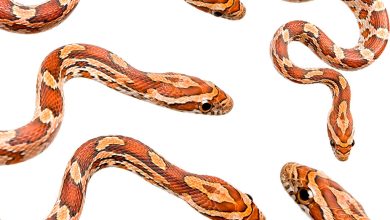
Royal pythons exhibit a range of colour patterns and morphs, including the classic wild-type pattern of black and gold, and various mutations that showcase unique colours and patterns, such as albino, piebald, and pastel. The diversity in their appearance contributes to their popularity in the pet trade.
Housing Your Royal Python
Enclosure Size and Type
When selecting an enclosure for your royal python, a secure, well-ventilated terrarium or glass tank is recommended. A 3ft vivarium (36 x 12 x12 inch or 20-gallon) enclosure is suitable for hatchlings, while adults require a minimum of a 4ft vivarium (48 inch long or 40-gallon) enclosure. As a rule of thumb, the length of the enclosure should be at least the same as the snake’s length.
Substrate
Choosing the right substrate is crucial for your snake’s health. Common options include aspen shavings, coconut coir, or paper towels for easy cleaning. Avoid cedar and pine shavings, as they can be harmful to reptiles.

Temperature and Humidity
Maintaining proper temperature and humidity levels is essential for your royal python’s well-being. The enclosure should have a temperature gradient, with a warm side (around 29-32°C or 85-90°F) and a cool side (around 24-27°C or 75-80°F). Use a heat mat or ceramic heat emitter for warmth, ensuring that the snake can thermoregulate effectively.
Humidity levels should be kept between 40-60%. You can achieve this by misting the enclosure regularly or using a hygrometer to monitor humidity levels. A humidity hide, filled with damp sphagnum moss, can help provide a suitable environment for shedding.
Feeding Your Royal Python
Prey Type
Royal pythons primarily feed on rodents, such as mice and rats. The size of the prey should be appropriate for the snake’s size; a prey item should not exceed the width of the snake at its widest point. Hatchlings typically eat pinky mice, while adults can consume larger prey.
Feeding Frequency
Feeding frequency depends on the age and size of the snake. Hatchlings should be fed every 5-7 days, while juveniles require feeding every 7-10 days. Adult royal pythons can be fed every 10-14 days. Always ensure that the prey is thawed if using frozen food, as live prey can injure your snake.
Feeding Techniques
Feeding can be done by offering the prey using tongs or placing it in the enclosure. It is crucial to avoid handling the snake immediately before or after feeding, as this can lead to stress and regurgitation. Ensure the feeding area is quiet and free from disturbances.

Handling Your Royal Python
Acclimatisation
After bringing your royal python home, allow it some time to acclimatise to its new environment. Avoid handling for the first week to reduce stress. After this period, handling can begin gradually, starting with short sessions of 5-10 minutes.
Safe Handling Techniques
When handling your royal python, support its body fully and avoid grabbing its tail or head. Always wash your hands before and after handling to prevent the transfer of bacteria. If your snake shows signs of stress, such as hissing or attempting to escape, gently return it to its enclosure.
Health and Common Issues
Signs of a Healthy Royal Python
A healthy royal python should have clear eyes, smooth scales, and a well-rounded body. Regular monitoring of your snake’s eating habits, shedding patterns, and behaviour can help detect any potential health issues.
Common Health Issues
Some common health problems include:
- Respiratory Infections: Signs include wheezing, mouth breathing, and discharge from the nostrils.
- Mites and Parasites: Look for signs of irritation, excessive scratching, or lethargy.
- Inclusion Body Disease (IBD): A viral infection that can cause neurological symptoms and is often fatal.
If you suspect your royal python is unwell, consult a qualified reptile veterinarian promptly.

Breeding Royal Pythons
Breeding Considerations: Breeding royal pythons can be a rewarding experience, but it requires careful planning. Ensure both male and female snakes are healthy and of adequate size (usually over 1,500 grams). Breeding typically occurs in the spring after a cooling period in winter.
Gestation and Egg-Laying: Female royal pythons can lay 3 to 12 eggs, which should be incubated at a temperature of 28-30°C (82-86°F) with a humidity level of 80%. An incubator or a designated egg box with damp substrate can provide the necessary environment for hatching.
Caring for Hatchlings: Once the eggs hatch, it is crucial to provide hatchlings with appropriate housing, feeding, and humidity levels. They should be offered small pinky mice and kept in separate enclosures to prevent stress and competition.
Royal pythons are captivating pets that can bring joy and companionship to their owners. By understanding their care needs and providing a suitable environment, beginners can successfully keep and enjoy these fascinating reptiles. Remember to always conduct thorough research and seek advice from experienced keepers or veterinarians when needed.
References
- Kauffeld, C. J. (1999). The Ball Python: A Comprehensive Guide. Red Room Press.
- Smith, J. (2021). Ball Python Care: A Beginner’s Guide. Reptile Magazine.
- McCurley, K. (2018). Ball Python Manual. Advanced Vivarium Systems.
- Murphy, J. (2019). The Complete Ball Python: The Ultimate Guide to Keeping and Breeding Ball Pythons. Simple Biology Press.
- Sutherland, J. (2020). Reptile Care: A Beginner’s Guide to Keeping Reptiles. Natural History Publishing.
- Becker, R. (2023). “Understanding the Ball Python Morphs.” Reptile Lovers Blog.
- American Veterinary Medical Association. (2022). “Caring for Your Pet Snake.”