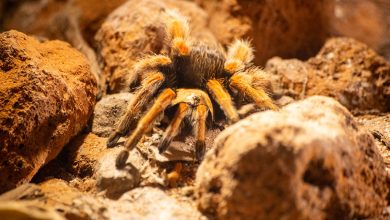
Handling tarantulas can be a rewarding yet delicate activity. While tarantulas generally don’t require handling for their well-being, some owners choose to interact with their pets to overcome fears, bond, or simply for curiosity. However, ensuring the safety of both the tarantula and the handler is paramount.
Should You Handle Your Tarantula?
Tarantulas are naturally shy and solitary creatures. Unlike mammals or birds, they do not seek interaction or handling. Handling is more for the benefit of the owner rather than the tarantula. While docile species such as the Chilean Rose, Mexican Redknee, or Pink Toe are more amenable to handling, other species—especially Old World tarantulas—are best admired from afar due to their defensive nature and quick movements
Before deciding to handle a tarantula, ask yourself:
- Is it necessary? Tarantulas are fragile creatures and a fall from even a small height can be fatal.
- Are you prepared for potential risks, such as bites or urticating hairs?
- Are you familiar with your tarantula’s behaviour and signs of stress?
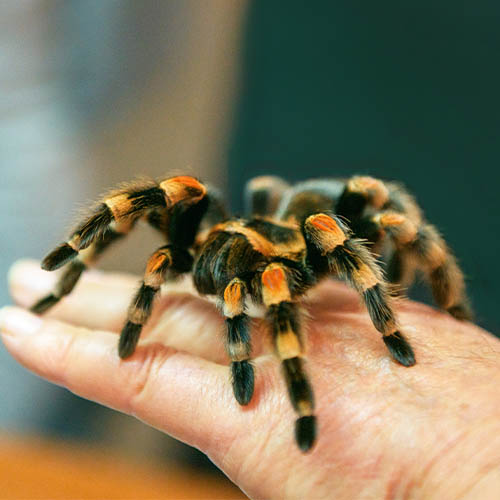
Safe Handling Techniques
When handling your tarantula, care should be taken to minimise stress for the animal and risk for yourself. Here’s a guide to safe handling:
Observing Behaviour
- Calm and docile tarantulas: Look for relaxed body postures and a slow movement pace. A defensive tarantula may rear up on its hind legs or show its fangs.
- Avoid handling during moulting: During moulting, tarantulas are extremely vulnerable and should not be disturbed. Their new exoskeleton is fragile for weeks after moulting.
Preparing the Environment
- Handle the tarantula in a quiet room to avoid startling it.
- Use a soft surface below, such as a bed or table, to cushion accidental falls.
- Avoid loud noises, sudden movements, or vibrations.
Handling Methods
- Coaxing into your hand: Gently use a soft tool, like a paintbrush, to guide the tarantula onto your palm. Let it move at its own pace.
- Cupping method: Place a small cup over the tarantula and slide a card beneath it. This is ideal if the tarantula is skittish or you are unsure about direct handling.
- Hand-over-hand method: Allow the tarantula to walk calmly from one hand to another, keeping it close to a surface.
Minimising Risks
- Prevent falls: Tarantulas are prone to injury from even short falls. Always handle them close to a flat surface.
- Be aware of urticating hairs: New World tarantulas can kick hairs as a defence mechanism, causing skin or eye irritation. Wear gloves if needed.
- Avoid restrictive holds: Never pinch or firmly grip a tarantula as this can cause injury or provoke a defensive reaction.
Understanding Defensive Behaviours
Tarantulas typically avoid confrontation but may display certain behaviours when stressed or threatened:
- Kicking hairs: Urticating hairs can cause itching and irritation.
- Rearing up: This defensive posture signals readiness to bite. Respect these warnings and give your tarantula space.
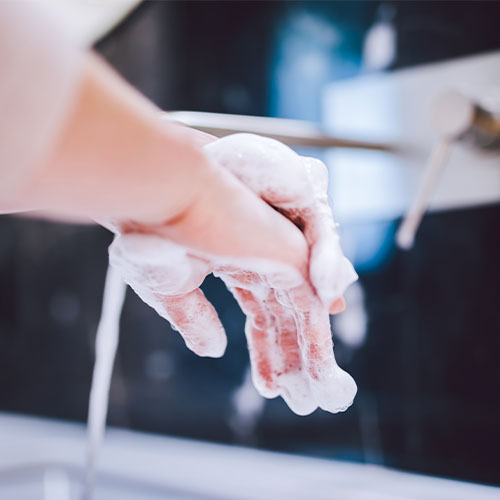
Post-Handling Care
After handling:
Wash your hands: This removes any urticating hairs or allergens.
Inspect your tarantula: Ensure it shows no signs of stress or injury.
Reassess enclosure security: Make sure the tarantula is safely returned to its habitat.
When Not to Handle Your Tarantula
- During or after molting.
- When the tarantula appears agitated, fast-moving, or defensive.
- If you feel nervous or unsure, as this could lead to accidents or drops.
Common Mistakes to Avoid
- Handling at great heights: Falls can be fatal, as tarantulas’ abdomens are delicate.
- Prolonged handling: Limit sessions to a few minutes to prevent stress.
- Forcing interaction: If the tarantula resists being handled, it’s best to respect its boundaries.
Handling tarantulas requires patience, respect, and care. While the experience can help overcome arachnophobia or deepen appreciation for these fascinating creatures, it is important to prioritise their safety and well-being. Remember, not handling them at all is often the best approach.
References
- Pet Savvy – Handling Tarantulas Safely The Pet Savvy
- Tarantula Guide – Handling Pet Tarantulas Tarantula Guide
- Pet Tarantulas – Free-handling Techniques Pet Tarantulas