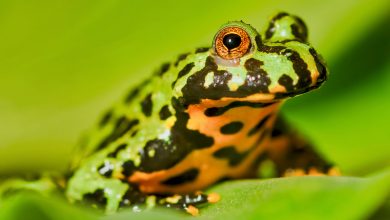
Fire-bellied toads are vibrant, hardy amphibians that make excellent pets, especially for beginners who are new to herpetology. Known for their striking colours and relatively low-maintenance care, these toads provide a fascinating addition to any terrarium. Native to Asia, the fire-bellied toad belongs to the Bombina genus and is most commonly found in China, Korea, and parts of Russia. With their bright green and black backs, and their fiery orange or red bellies, they are visually captivating, making them a popular choice for both novice and experienced keepers alike. This guide will cover everything you need to know to successfully care for and keep these fascinating amphibians.

Species Overview
Fire-bellied toads belong to the Bombina genus and there are several species within this genus, but the most popular in the pet trade are the Oriental Fire-Bellied Toad (Bombina orientalis). Other species such as the European Fire-Bellied Toad (Bombina bombina) are also sometimes kept, but are less common.
Key Characteristics of Fire-Bellied Toads:
Size: Adults typically grow to around 2 inches (5 cm) in length, with some species slightly smaller or larger.
Lifespan: In captivity, fire-bellied toads can live for 10 to 15 years with proper care.
Temperament: These amphibians are generally docile but prefer minimal handling as they secrete toxins from their skin.
Activity: They are semi-aquatic and active during both day and night, often engaging in swimming, climbing, and croaking.
Setting Up a Fire-Bellied Toad Habitat
One of the most important aspects of caring for a fire-bellied toad is ensuring that its habitat is well-suited to its semi-aquatic nature. Here’s how to set up an optimal environment:
Tank Size and Type:
A 35 – 40 litre (10-gallon) tank is the minimum size recommended for a pair of fire-bellied toads, although a larger tank (15-20 gallons) will allow for more space, better water quality, and a more dynamic environment. Since they are semi-aquatic, the tank needs to include both a land and a water area. A shallow water area for swimming and a dry area for basking are essential.
Aquarium or Terrarium: Glass terrariums with a secure lid work well for fire-bellied toads, as these toads are excellent climbers and may try to escape.
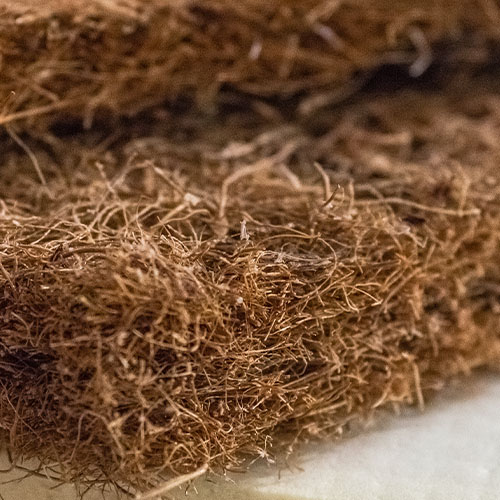
Substrate:
For the land section, a moisture-retaining substrate like coconut fibre, sphagnum moss, or soil works well. Avoid using gravel or sharp stones that could hurt the toads. In the water area, smooth river rocks or a sand and gravel mix are recommended. Fire-bellied toads enjoy burrowing into soft substrates, so ensuring the land portion has sufficient depth for digging is important.
Water Quality:
The water area must be kept clean to prevent bacterial growth and infections. Use dechlorinated or conditioned water, as chlorine and heavy metals can be harmful to amphibians. A simple aquarium water filter helps keep the water clean, but regular water changes are still essential. Aim to change about 25% of the water every week.
Temperature and Humidity:
Fire-bellied toads are relatively hardy when it comes to temperature. They do well in temperatures ranging from 18°C to 24°C (65°F to 75°F). In hotter environments, a small fan or water chiller might be necessary to keep the temperature down. Humidity should be kept at around 60% to 80%. Misting the tank daily and using a humidity gauge can help ensure appropriate levels.
Lighting:
Although fire-bellied toads don’t require UVB lighting, providing a natural day-night cycle through low-intensity lighting can be beneficial. Lights can help stimulate their natural activity patterns. An ordinary fluorescent or LED light will work just fine, with a 12-hour on/off cycle recommended.
Decorations and Hiding Spots:
Fire-bellied toads appreciate a tank filled with hiding spots and decorations like live or artificial plants, caves, and logs. Since they are semi-aquatic, you’ll also want to provide structures that allow them to easily get in and out of the water. Floating cork bark or stones can serve as ramps or perches where they can rest and bask.
Feeding Your Fire-Bellied Toad
Fire-bellied toads are carnivores and enjoy a varied diet of live food. Their natural diet in the wild consists mainly of small invertebrates, and in captivity, they thrive on a diet of:
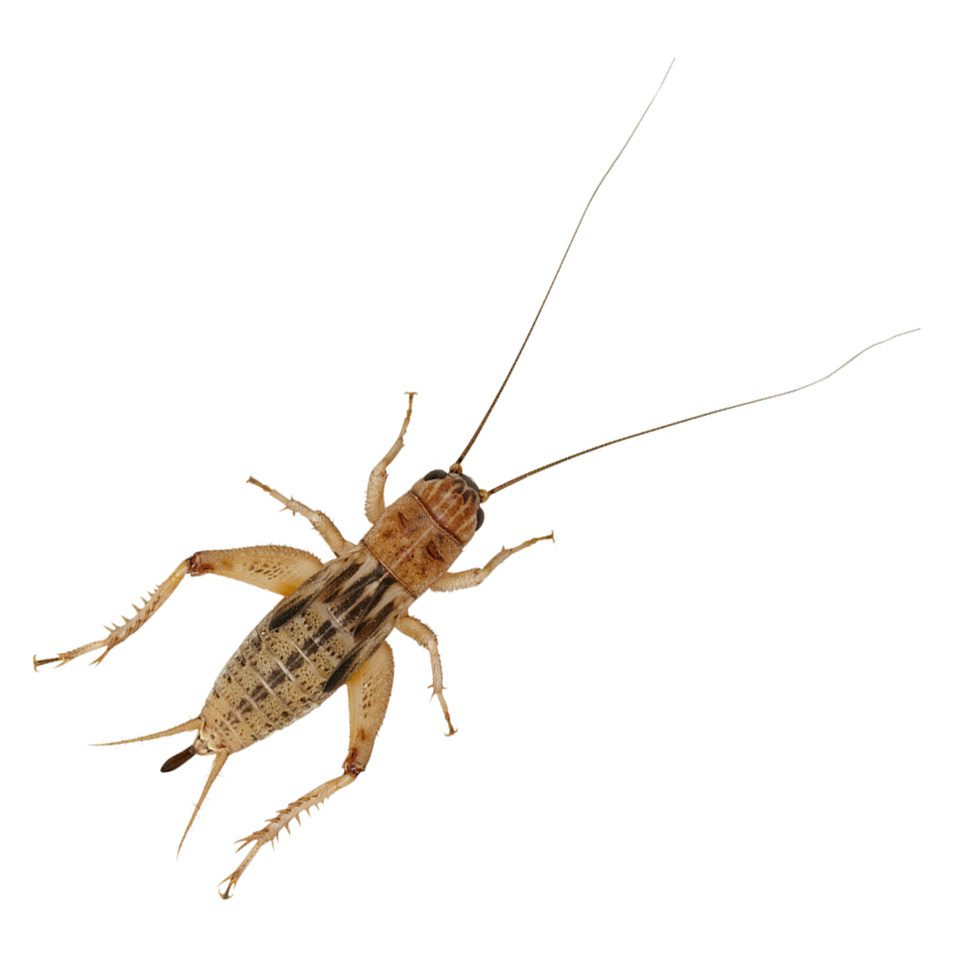
Crickets: One of the most popular and easily available food sources for amphibians. Crickets should be gut-loaded (fed nutritious foods) before being offered to the toads.
Waxworms, Mealworms, and Earthworms: These worms provide variety and are rich in protein, though they should be fed in moderation.
Daphnia and Bloodworms: These make excellent treats and simulate their natural aquatic diet.
Feed your toads about 3-4 times per week, providing only as much as they can eat in one sitting. Overfeeding can lead to obesity and other health problems. Always remove uneaten food from the tank to maintain cleanliness.
Vitamin Supplements
Dusting the food with calcium and vitamin D3 supplements once or twice a week ensures your toad gets the necessary nutrients that may be lacking in its diet. This is especially important if the toad is not exposed to natural sunlight or UVB lighting.
Handling and Interaction
Fire-bellied toads are not pets that enjoy being handled frequently. Their skin is sensitive and secretes toxins as a defence mechanism. These toxins, while not deadly to humans, can cause skin irritation if touched. Always wash your hands before and after handling your toads, and only handle them when absolutely necessary.
Observing Toad Behaviour:
One of the joys of keeping fire-bellied toads is observing their natural behaviours. They are quite active and curious, often climbing, swimming, and hopping around their tank. They also make distinctive croaking sounds, particularly the males, who use these sounds to attract mates or establish dominance.
Common Health Issues and Concerns
Like all amphibians, fire-bellied toads are susceptible to certain health problems. Being vigilant about their health will help you catch any issues early and provide the appropriate treatment.
Skin Infections and Shedding Problems:
Because amphibians breathe and absorb moisture through their skin, poor water quality or an unclean habitat can lead to infections. Bacterial or fungal infections often show up as discoloured patches or excessive slime on the skin. Regular tank maintenance and water changes help prevent this. If your toad has difficulty shedding its skin, raising the humidity levels can assist.
Parasitic Infections:
Fire-bellied toads can occasionally suffer from parasitic infections, especially if their food is not gut-loaded properly or if they’ve been in contact with contaminated water. Symptoms include lethargy, loss of appetite, or abnormal stool. If you suspect your toad has parasites, consult an exotic pet veterinarian for diagnosis and treatment.
Obesity:
Obesity can be a problem if fire-bellied toads are overfed, particularly with fatty foods like waxworms. Monitoring portion sizes and frequency of feeding is key to keeping your toad at a healthy weight.
Breeding Fire-Bellied Toads
Fire-bellied toads are relatively easy to breed in captivity if their environment is properly managed. To encourage breeding, increase the water temperature slightly and provide plenty of water plants for egg-laying. Males will croak to attract females, and if successful, females will lay strings of eggs in the water. These eggs hatch into tadpoles within a few days.
Raising Tadpoles:
Tadpoles can be fed a combination of algae, commercial tadpole food, or finely crushed fish flakes. They will begin to develop their legs after about 6 to 8 weeks, at which point they should be provided with access to a land area as they transition to adult toads.
Fire-bellied toads make wonderful, colourful pets for those interested in keeping amphibians. Their relatively simple care requirements, vibrant appearance, and interesting behaviours make them suitable for beginners and experienced herpetologists alike. With proper habitat maintenance, regular feeding, and careful observation, your fire-bellied toads can thrive in captivity and bring years of enjoyment.
References
Bartlett, R. D., & Bartlett, P. P. (2001). Fire-bellied toads: their care in captivity. Barron’s Educational Series.
Mattison, C. (1998). Amphibians and reptiles in captivity: care, breeding and conservation. Blandford Press.
Anderson, M. (2015). “The Complete Guide to Fire-Bellied Toads,” Herp Hobbyist Magazine, Vol. 14.
De Vosjoli, P. (2003). The general care and maintenance of fire-bellied toads. Advanced Vivarium Systems.
Jacobson, E. (1999). “Health Issues in Fire-Bellied Toads,” Journal of Herpetology, Vol. 33(3).