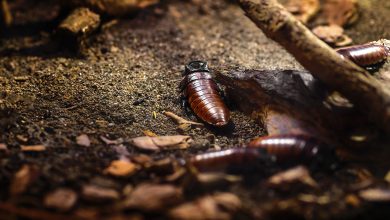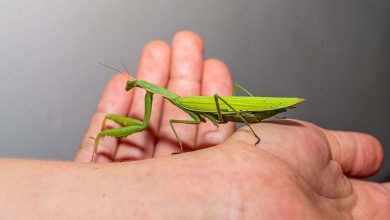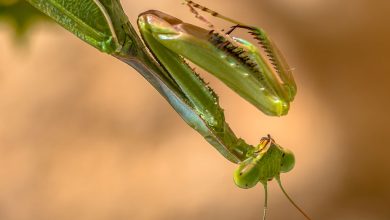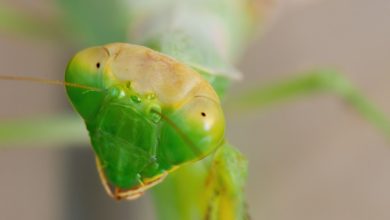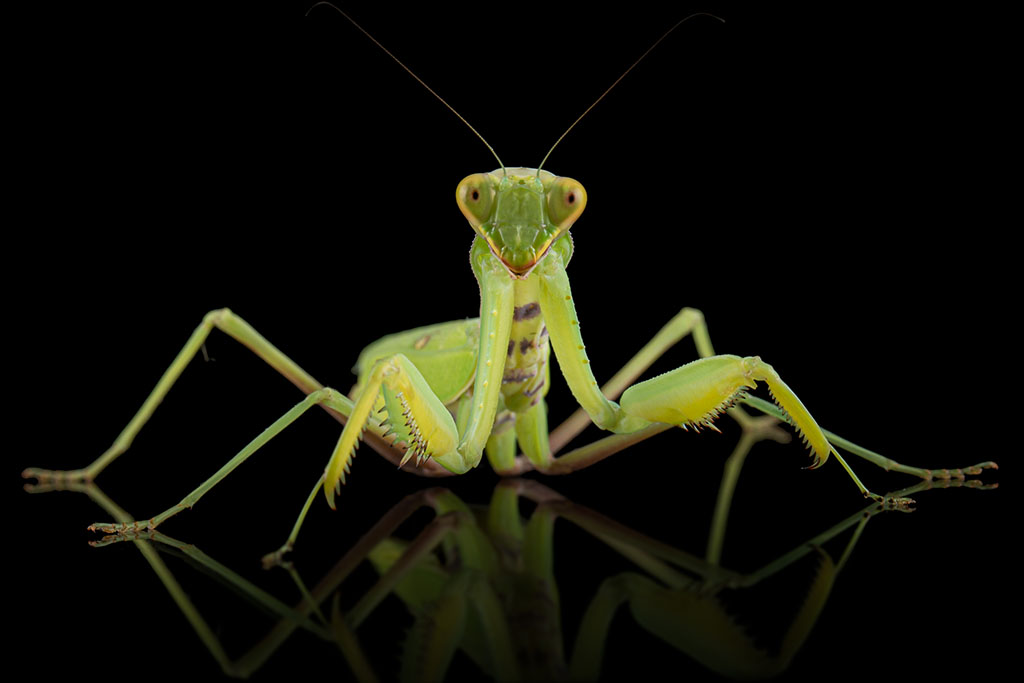
Mantises, fascinating and unique insects, have garnered interest from hobbyists and entomologists alike. Their predatory nature, distinctive appearance, and interesting behaviours make them popular choices for insect enthusiasts. To successfully care for mantises, it is crucial to provide the right environment and supplies. This article outlines the top ten essential supplies for mantis care, ensuring their well-being and longevity.
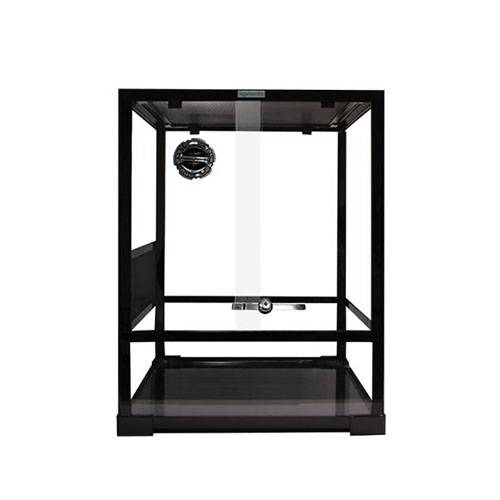
1. Terrarium or Enclosure
The first and foremost essential supply for mantises is an appropriate terrarium or enclosure. The size of the enclosure depends on the species and age of the mantis. For most mantis species, a height of at least twice their length is recommended, as mantises enjoy climbing. A well-ventilated enclosure with proper height is crucial to provide adequate space for movement and climbing.
Recommended Types:
- Glass Terrariums: These provide excellent visibility and are easy to clean.
- Plastic Enclosures: Lightweight and often come with ventilation holes, making them a good choice for beginners.
2. Substrate
While mantises are not known for burrowing, providing a suitable substrate is important for maintaining humidity and cleanliness within the enclosure. The substrate should be easy to clean and not too deep to avoid causing stress to the mantis.
Recommended Substrates:
Coconut Fibre: Retains moisture well and is safe for mantises.
Paper Towels: Easy to replace and maintain cleanliness, suitable for smaller species.
3. Humidity and Temperature Control
Maintaining the correct humidity and temperature is essential for the health of mantises. Different species have varying humidity and temperature needs, so it’s crucial to research the specific requirements for the mantis you are keeping.
Supplies Needed:
Thermometers and Hygrometers: To monitor temperature and humidity levels accurately.
Heat Mats or Lamps: These can help maintain the appropriate temperature range, usually between 20°C to 30°C (68°F to 86°F), depending on the species.
4. Food and Feeding Supplies
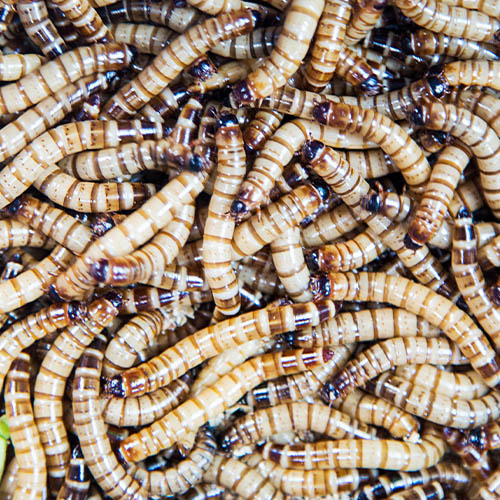
Mantises are carnivorous and require a diet primarily consisting of live prey. Common food items include crickets, fruit flies, and small mealworms. Additionally, having proper feeding supplies is necessary for their care.
Recommended Feeding Supplies:
Feeding Tongs: Useful for handling live prey and preventing bites to the mantis.
Feeding Dishes: Small dishes can be used to contain food, ensuring it doesn’t escape and is easy to find.
5. Water Source
Though mantises obtain much of their moisture from the prey they consume, it’s important to provide a clean water source. Misting the enclosure can also help maintain humidity.
Water Supplies:
Misting Bottles: For regular misting, helping to keep humidity levels stable.
Shallow Water Dishes: These can be provided for hydration, but care should be taken to ensure the mantis cannot drown.
6. Hiding Places and Climbing Structures
Creating a naturalistic habitat is vital for the mental well-being of mantises. They require hiding spots for security and climbing structures to mimic their natural environment.
Recommended Supplies:
Branches and Vines: Natural materials can create a climbing space and hiding spots.
Artificial Plants: These provide cover and enhance the aesthetic of the enclosure.
7. Lighting
Lighting is another crucial aspect of maintaining a healthy environment for mantises. Proper lighting can help regulate their day-night cycle and promote natural behaviours.
Lighting Options:
UVB Bulbs: While not all mantis species require UVB, it can be beneficial for some, especially for aiding in calcium absorption.
LED Lights: These can provide sufficient light without generating excessive heat.
8. Breeding Supplies (if applicable)
For those interested in breeding mantises, specific supplies are necessary to ensure a successful breeding process.
Recommended Breeding Supplies:
Separate Breeding Enclosures: Males and females should be housed separately until breeding to prevent cannibalism.
Egg Cases or Oothecae: These are vital for laying and protecting the eggs.
9. Cleaning Supplies
Maintaining a clean habitat is critical for the health of mantises. Regular cleaning prevents the buildup of waste and reduces the risk of disease.
Cleaning Supplies:
Sponge or Soft Cloth: For gently wiping down surfaces in the enclosure.
Disinfectant: A safe, non-toxic disinfectant can be used to clean the enclosure between occupants.
10. Observation Tools
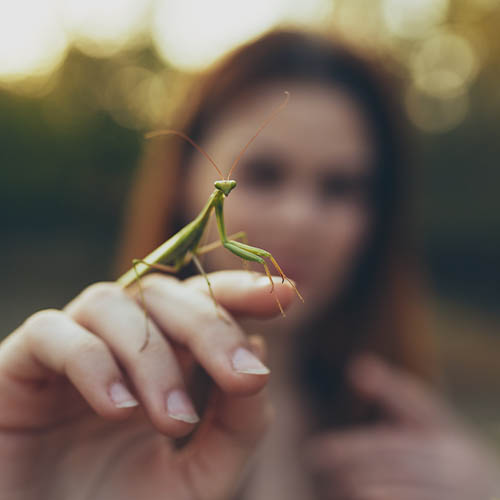
Finally, to fully appreciate the beauty and behaviours of mantises, observation tools are essential. Observing mantises closely can provide insight into their behaviours and needs.
Recommended Observation Tools:
- Magnifying Glass: Useful for examining mantis details and behaviours.
- Camera: For capturing stunning images of your mantis.
Caring for mantises can be a rewarding experience, but it requires dedication and the right supplies. From appropriate enclosures to the proper diet and environmental controls, each supply plays a vital role in ensuring your mantis thrives. By investing in these essential items, mantis enthusiasts can create a healthy and enriching environment for their fascinating pets.
References
Holliday, R. (2021). Mantis Care: A Comprehensive Guide to Raising Mantises. BugLife Publications.
Smith, J. (2019). Understanding Mantis Behaviour. Insect Enthusiast Press.
Jones, A. (2022). The Complete Guide to Insect Husbandry. Pet Press Publishing.
Carter, M. (2020). Mantis Morphology and Care. Entomology Today.
Brown, K. (2023). Creating the Ideal Habitat for Mantises. Nature’s Way Books.