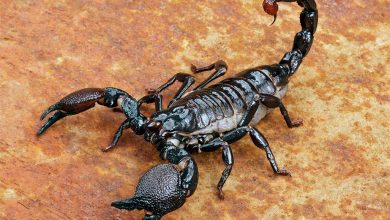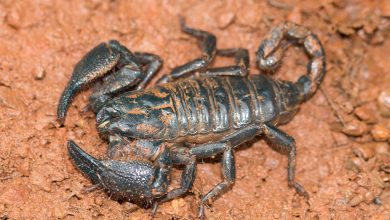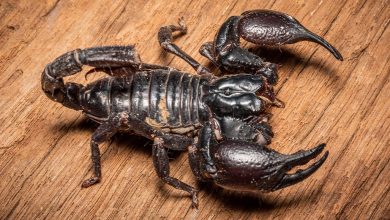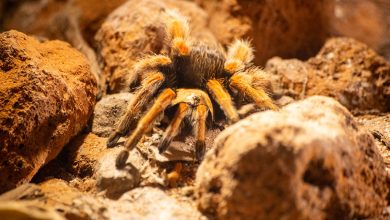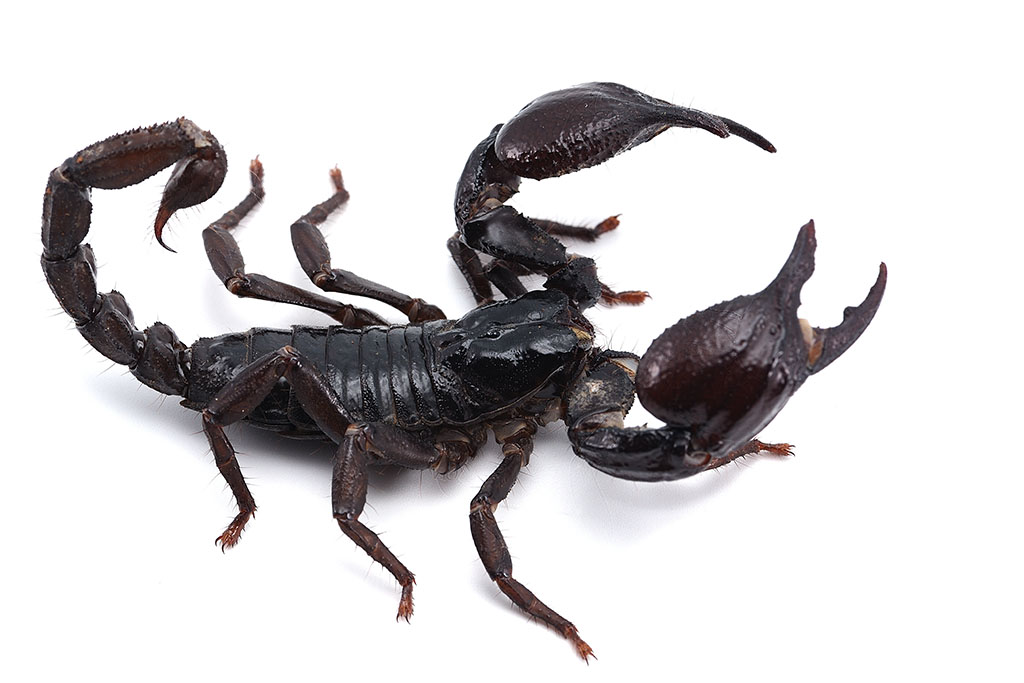
Creating a bioactive enclosure for your emperor scorpion (Pandinus imperator) can enhance their habitat, replicate their natural environment, and improve their overall health and well-being. Bioactive setups incorporate live plants, beneficial microorganisms, and invertebrates to create a self-sustaining ecosystem that provides a naturalistic and stimulating environment for your scorpion. This article will guide you through the process of setting up a bioactive enclosure for your emperor scorpion, covering aspects such as substrate selection, plant choices, tank size, and maintenance.

Understanding the Needs of Emperor Scorpions
Before diving into the specifics of creating a bioactive enclosure, it’s essential to understand the basic needs of emperor scorpions. They are native to the humid rainforests of West Africa, where they inhabit leaf litter, burrows, and tree roots. Consequently, they thrive in warm, humid conditions. Here are some key requirements:
Temperature: Emperor scorpions prefer temperatures between 24-30°C (75-86°F) during the day and a slight drop at night.
Humidity: They require humidity levels of 70-80% to thrive. This can be achieved through regular misting and appropriate substrate.
Hiding Places: Providing ample hiding spots is crucial, as emperor scorpions are nocturnal and prefer to stay concealed during the day.
Diet: They are carnivorous, feeding primarily on insects and other small invertebrates.
Setting Up the Enclosure
Choosing the Right Enclosure Size
The size of the enclosure is crucial for the well-being of your emperor scorpion. A minimum size of 40 gallons (151 litres) is recommended, but larger enclosures are always better. A 60-gallon (227 litres) tank or larger will allow for a more diverse and stable ecosystem. Ensure the enclosure has a secure lid to prevent escapes, as emperor scorpions are skilled climbers.
Substrate Selection
A suitable substrate is vital for creating a bioactive environment. It should be capable of holding moisture while allowing for drainage. Here are some recommended substrates:
- Coconut Coir: This organic material retains moisture well and provides a soft, natural substrate for burrowing. It’s an excellent base for a bioactive enclosure.
- Organic Topsoil: Choose a chemical-free organic topsoil as a base layer. It can help with moisture retention and nutrient availability for plants.
- Clay Pellets: These can be used as a drainage layer at the bottom of the enclosure to prevent waterlogging.
Layering the Substrate: A good approach is to layer the substrate, starting with a drainage layer of clay pellets at the bottom (approximately 2.5 cm or 1 inch), followed by a layer of organic topsoil and then coconut coir on top. The total substrate depth should be at least 10-15 cm (4-6 inches) to allow for burrowing.
Adding Plants
In a bioactive enclosure, live plants play a crucial role in maintaining humidity, providing hiding spots, and enhancing the aesthetic appeal. Here are some plant species suitable for a scorpion habitat:
Pothos (Epipremnum aureum): This hardy vine is easy to care for and can tolerate low light, making it an excellent choice for bioactive setups.
Spider Plant (Chlorophytum comosum): Another resilient plant that adapts well to various conditions. Its arching leaves provide cover for scorpions.
Ferns (e.g., Maidenhair Fern, Adiantum spp.): These thrive in humid environments and add lush greenery to the enclosure.
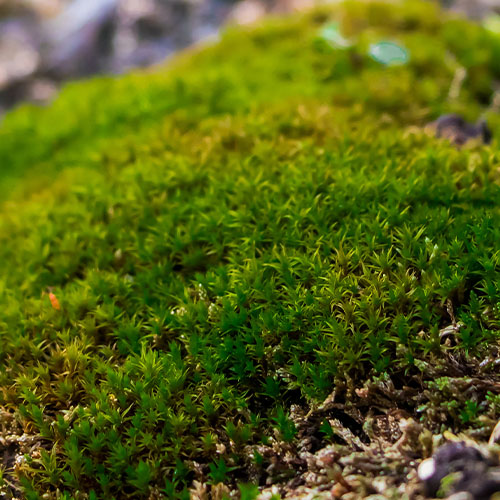
Moss (e.g., Sheet Moss): Covering parts of the substrate with moss can help maintain humidity levels and provides a natural look.
Incorporating Cleanup Crew
A bioactive enclosure should include a “cleanup crew” to aid in breaking down waste and maintaining the ecosystem. This can include:
- Isopods: These small crustaceans help decompose organic matter and aerate the substrate. Species like Armadillidium vulgare (common pillbug) are popular choices.
- Springtails: These tiny, soil-dwelling organisms feed on decaying plant matter and help control mould growth.
Hiding Places and Decor
Adding decorative elements can enhance the enclosure’s aesthetics and provide hiding spots for your scorpion. Consider the following options:
- Cork Bark: Natural cork bark pieces can be used to create hiding spots and climbing surfaces. Position them at various angles to provide a naturalistic look.
- Rocks and Stones: Use smooth, non-sharp rocks to create tunnels and shelters. Ensure they are secure and won’t collapse.
- Branches: Adding branches can give your scorpion climbing opportunities and mimic its natural environment.
Water Source
While emperor scorpions do not require a large water bowl, providing a shallow dish with fresh water is essential. Ensure it is not too deep to prevent drowning. Regularly change the water to keep it clean.
Lighting and Heating
Emperor scorpions do not require intense lighting, but providing a low-wattage light can help maintain a day-night cycle. Aim for a 12-hour light/dark cycle to mimic their natural environment.
For heating, an under-tank heating pad can be used to create a warm spot in the enclosure. Monitor temperatures with a reliable thermometer to ensure they remain within the desired range.
Maintenance of the Bioactive Enclosure
Regular Monitoring
Maintaining a bioactive enclosure requires regular monitoring. Here are key aspects to keep an eye on:
Humidity and Temperature: Use a hygrometer to monitor humidity levels, ensuring they remain between 70-80%. Mist the enclosure when necessary to maintain humidity.
Plant Health: Regularly check the plants for signs of growth or decay. Prune dead leaves and replace any plants that are not thriving.
Cleanup Crew Health: Ensure that your cleanup crew is healthy and thriving. If their population decreases, consider adding more to maintain the balance.
Feeding Your Emperor Scorpion
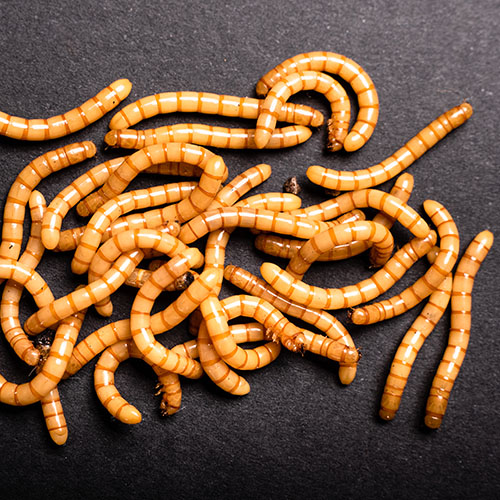
Feed your emperor scorpion a varied diet of insects, such as crickets, mealworms, and roaches. It’s essential to dust the insects with a calcium supplement before feeding to ensure your scorpion receives necessary nutrients. Feed them 2-3 times a week, adjusting the frequency based on their age and size.
Waste Management
In a bioactive enclosure, waste management is largely handled by the cleanup crew. However, you may need to manually remove any uneaten food or excessive waste. Monitor the substrate for any signs of mould or unpleasant odours, indicating that the balance may be off.
Seasonal Adjustments
Emperor scorpions can exhibit changes in behaviour based on the seasons. In cooler months, consider lowering the humidity slightly and reducing feeding frequency. During warmer months, you may need to increase misting and food intake.
Creating a bioactive enclosure for your emperor scorpion not only enhances their quality of life but also provides a fascinating glimpse into their natural behaviours and interactions with their environment. By carefully selecting the right substrate, plants, and cleanup crew, you can create a thriving ecosystem that mimics the scorpion’s native habitat.
With proper monitoring and maintenance, your bioactive enclosure can flourish, providing a beautiful and enriching environment for your emperor scorpion for years to come. Always remember to research and adapt your setup based on the specific needs of your scorpion and the plants you choose.
References
O. L. (2020). Establishing a Bioactive System: A How-To Guide. The Bioactive Network. The Bioactive Network.
M. Z. (2021). Keeping Emperor Scorpions: A Complete Guide. Reptiles Magazine. Reptiles Magazine.
Smith, K. (2022). Creating Bioactive Enclosures for Scorpions. Reptile Forums UK. Reptile Forums UK.
Jones, L. (2020). The Basics of Bioactive Vivariums. The Spruce Pets. The Spruce Pets.
V. R. (2019). Caring for Emperor Scorpions: A Beginner’s Guide. PetMD. PetMD.
K. S. (2023). Choosing the Right Plants for Your Scorpion’s Habitat. Reptile Living. Reptile Living.