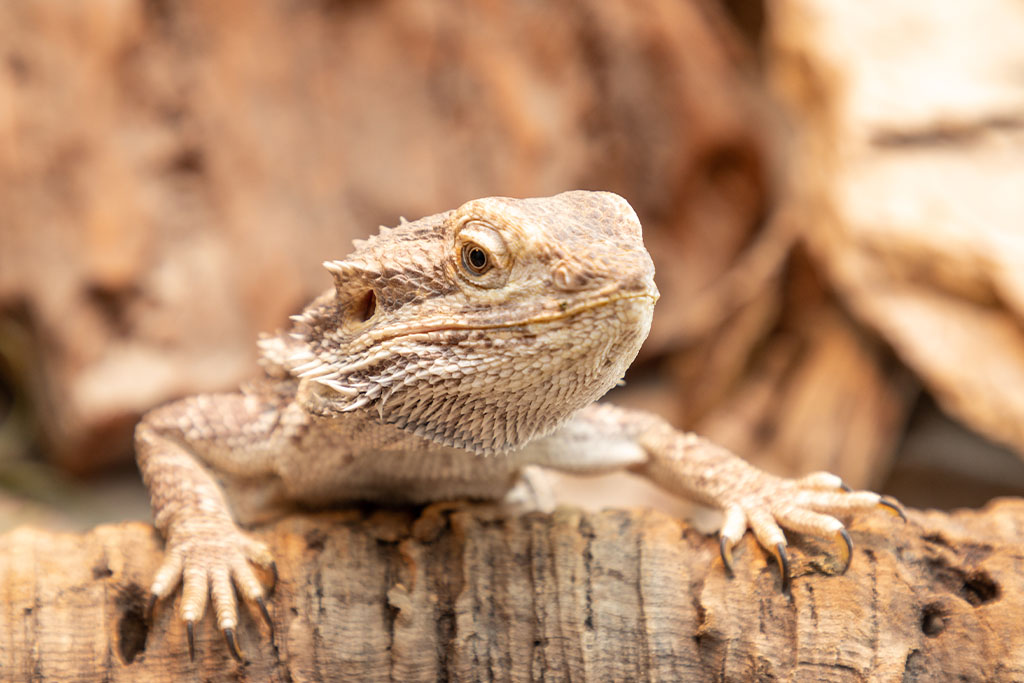
Bearded dragons (Pogona spp.) have become one of the most popular reptiles kept as pets across the world today. Known for their docile nature, unique appearance, and ease of care, these fascinating lizards hail from Australia and have captivated the hearts of reptile enthusiasts globally. However, beyond their pet-shop popularity, bearded dragons have a rich evolutionary history and a deep connection to Australia’s ecosystems.
This article delves into the origins of bearded dragons, their biology and ecology in the wild, the rise of their popularity as pets, and the implications of their domestication. By understanding the history of these reptiles, we gain insights into the complex interaction between wild species and human culture.
Origins and Evolution of Bearded Dragons
Bearded dragons belong to the genus Pogona, part of the Agamidae family, which is characterised by robust, stocky-bodied lizards. The term “bearded dragon” typically refers to the species Pogona vitticeps, the most common of the eight species in the genus. They are native to the arid and semi-arid regions of Australia, where they have adapted to survive in some of the harshest environments on the planet.
Fossil Evidence and Evolutionary History
The Agamidae family, to which bearded dragons belong, has an ancient lineage that dates back over 80 million years. Fossil records show that these lizards’ ancestors roamed the supercontinent Gondwana, which once included what are now Australia, Africa, and South America. As tectonic forces reshaped the Earth’s surface and Gondwana broke apart, the ancestors of modern-day agamids evolved into distinct species, each adapted to their specific environments.
In Australia, the bearded dragon’s ancestors found their niche in the continent’s sprawling desert landscapes. As Australia drifted northwards over millions of years, its climate became drier, pushing evolutionary pressures that favoured reptiles like bearded dragons, which can thrive in hot, arid conditions with scarce water resources. This evolutionary process led to the development of several adaptations, including the bearded dragon’s ability to regulate its body temperature by basking in the sun and its keen sense of vision and movement, useful for hunting insects and small vertebrates.
Adaptations to Australian Environments

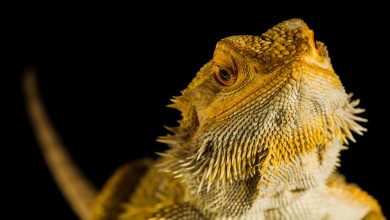
Bearded dragons are masters of adaptation. Their ability to tolerate extreme temperatures and go long periods without water make them well-suited to the dry outback. One of their most notable features is their “beard,” a spiny, expandable throat that can puff up when the lizard feels threatened. The darkened, inflated beard is meant to intimidate predators or rivals.
Their colouring, typically a sandy or reddish-brown, provides excellent camouflage in the desert, helping them blend in with the earth and scrubby vegetation. They are also skilled climbers, often found basking on fence posts, rocks, or tree branches in the wild. Their diet is omnivorous, consisting of insects, small rodents, other reptiles, and a variety of plants. This flexibility in diet has helped them survive in unpredictable environments.
Bearded dragons are also ectothermic (cold-blooded), meaning they rely on external heat sources to regulate their body temperature. During the cooler parts of the day, they bask in the sun to warm up, and during the hottest periods, they burrow into the ground to avoid overheating.
Wild Bearded Dragons: Behaviour and Ecology
In the wild, bearded dragons are solitary creatures. They establish territories and, although they may occasionally tolerate other dragons within these spaces, they are generally non-social outside of mating season. Males are particularly territorial, engaging in displays of dominance through head bobbing, arm waving, and inflating their beards.
Reproduction and Lifespan
Bearded dragons breed during Australia’s summer, typically between September and March. After mating, females dig shallow burrows where they lay clutches of between 10 and 30 eggs. The eggs incubate for around 60 to 90 days, depending on temperature, before hatching. Unlike mammals, there is no parental care, and the hatchlings are left to fend for themselves from birth.
Bearded dragons typically live for around 5 to 10 years in the wild, although they can live longer in captivity under optimal conditions. Their survival in the wild is primarily threatened by predators such as birds of prey, large snakes, and feral cats. Their main advantage is their natural camouflage and quick reflexes, allowing them to evade many potential threats.
Role in the Ecosystem
Bearded dragons play a vital role in their ecosystem. As both predator and prey, they help maintain balance in the food chain. By controlling insect populations, they prevent the overgrowth of species that could otherwise become agricultural pests. At the same time, their populations support a variety of predators, contributing to the health of Australia’s desert ecosystems.
Domestication and the Rise of Bearded Dragons as Pets
Bearded dragons first gained international recognition in the late 20th century. In the 1970s and 1980s, reptile enthusiasts began importing bearded dragons from Australia into the United States and Europe. However, in the 1980s, Australia passed strict wildlife export laws, effectively banning the export of native species. By this time, enough bearded dragons had been bred in captivity to meet the growing demand, and breeding programmes began to flourish outside of Australia.
Why Bearded Dragons Became Popular Pets
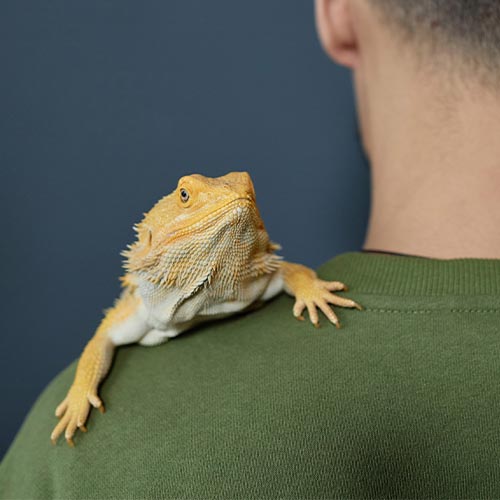
Several factors have contributed to the rise of bearded dragons as popular pets. One of the primary reasons is their docile temperament. Unlike many other reptiles, bearded dragons tend to be calm, tolerate handling, and rarely exhibit aggressive behaviour. They also display unique behaviours, such as head bobbing, arm waving, and glass surfing (where they try to climb the glass walls of their enclosure), which make them engaging and entertaining pets.
In addition to their pleasant nature, bearded dragons are relatively easy to care for. They do not require the large, complex enclosures that many other reptiles need, and they can thrive on a simple diet of insects and vegetables. Furthermore, their hardy nature means they are less susceptible to illness and stress compared to other exotic pets.
The advent of the internet and social media also played a significant role in popularising bearded dragons. Online forums, reptile care websites, and YouTube videos made information on their care widely accessible, contributing to a growing community of bearded dragon enthusiasts.
Selective Breeding
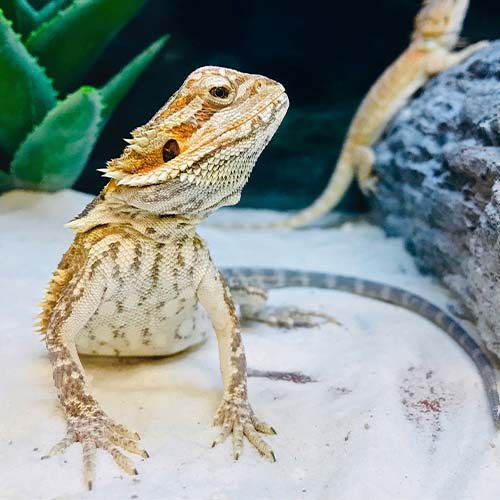
As the popularity of bearded dragons grew, breeders began selectively breeding them for specific traits, leading to the development of a wide variety of “morphs.” Morphs are genetic variations that affect the colour, pattern, and scale formation of the dragons. Today, there are dozens of different morphs available, ranging from bright orange and red dragons to those with intricate patterns or unusual scale structures.
The selective breeding of bearded dragons has also focused on temperament, with breeders aiming to produce dragons that are even more docile and friendly towards humans. While the natural bearded dragon is primarily brown or grey, morphs can include dragons with vibrant yellows, oranges, reds, and even nearly white individuals.
Ethical Considerations and Conservation
The rapid domestication and popularity of bearded dragons have raised some ethical concerns, particularly regarding breeding practices and their role in the exotic pet trade. While bearded dragons are generally well-suited to captivity, the breeding for specific traits has led to health issues in some morphs, such as genetic deformities or increased susceptibility to disease.
Additionally, the exotic pet trade as a whole has come under scrutiny for its impact on wild populations of animals. Although bearded dragons are no longer exported from Australia, and most pet dragons are bred in captivity, the demand for other exotic species has led to illegal wildlife trafficking, which threatens the survival of many species.
The conservation status of bearded dragons in the wild is currently stable, and they are not considered endangered. However, like all wildlife, they face increasing pressure from habitat destruction, climate change, and introduced species such as feral cats and foxes, which prey on them.
To ensure the long-term survival of wild bearded dragon populations, it is essential that conservation efforts continue. Protecting their natural habitats and promoting responsible pet ownership are key aspects of these efforts.
Bearded Dragons in Popular Culture
In addition to their role as popular pets, bearded dragons have also made their way into popular culture. They have been featured in a variety of television shows, films, and books, often portrayed as intelligent and curious creatures. In some cultures, the bearded dragon has even taken on symbolic meaning, representing resilience and adaptability due to their survival in harsh environments.
The internet has also embraced the quirky charm of bearded dragons. They are often the stars of viral videos and social media posts, where their calm demeanour and amusing behaviours, such as “smiling” or lounging in peculiar positions, are shared by millions of viewers. This has further cemented their status as a beloved animal both in and out of the reptile-keeping community.
The history of bearded dragons is a story of survival, adaptation, and a unique relationship with humans. From their ancient origins in the deserts of Australia to their current status as one of the most popular reptile pets in the world, these lizards have captivated people with their resilience, charm, and personality.
While bearded dragons continue to thrive in captivity, their wild counterparts remind us of the importance of conservation and ethical practices in the pet trade. As we continue to care for these remarkable reptiles, it is essential to remember and respect their wild origins, ensuring that we protect the natural environments they come from.
References
Cogger, H. G. (2014). Reptiles and Amphibians of Australia (7th ed.). CSIRO Publishing.
Wilson, S., & Swan, G. (2017). A Complete Guide to Reptiles of Australia (5th ed.). New Holland Publishers.
Pianka, E. R. (1996). The Lizard Man Speaks. University of Texas Press.
Wotherspoon, D. (2010). “Bearded Dragons in the Wild and in Captivity.” Reptile Magazine, 48(6), 23-29.
Greer, A. E. (1989). The Biology and Evolution of Australian Lizards. Surrey Beatty & Sons Pty Limited.
Boylan, J. (2018). Bearded Dragon Care and Husbandry: A Beginner’s Guide. Reptile World Press.
Molony, B. (2021). “The Ethical Implications of Selective Breeding in Bearded Dragons.” Journal of Exotic Pet Medicine, 30(4), 215-223.