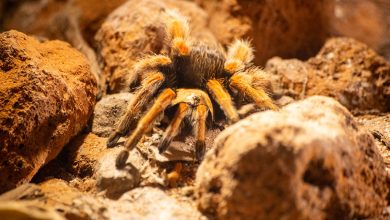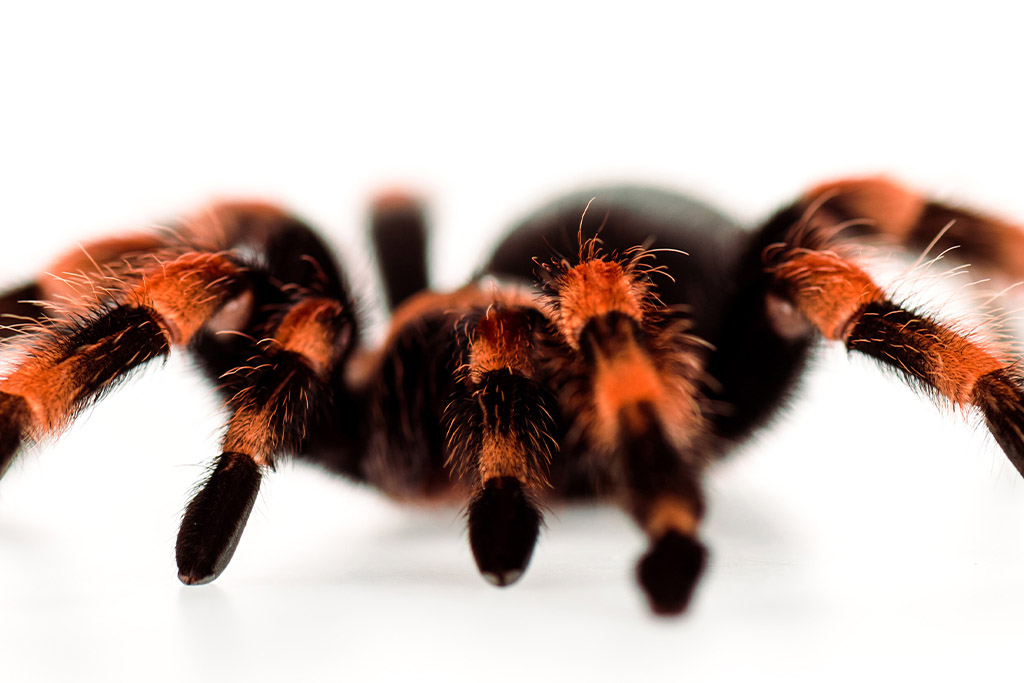
Tarantulas have become increasingly popular as exotic pets due to their unique appearance, fascinating behaviours, and relatively low maintenance needs compared to other pets. However, proper care requires an understanding of their specific requirements. This article outlines the top ten essential supplies for keeping a tarantula healthy and thriving in captivity.
Terrarium or Enclosure
The first essential item for any tarantula owner is a suitable terrarium or enclosure. Tarantulas need space to move and explore, and the size of the enclosure will depend on the species. A general guideline is to provide an enclosure that is at least three times the length of the tarantula’s leg span in width and at least one to two times its leg span in height for arboreal species.
Features to Look For:
- Material: Glass or plastic enclosures with a secure lid are recommended to prevent escape.
- Ventilation: Proper ventilation is crucial to prevent mould growth and ensure air circulation.
- Accessibility: Enclosures should be easy to clean and access for feeding and maintenance.
Substrate
The substrate is vital for creating a comfortable environment for your tarantula. It should mimic their natural habitat and allow for burrowing, especially for terrestrial species.
Recommended Substrates:
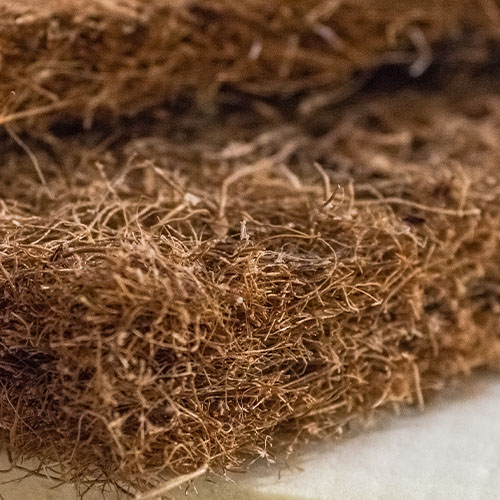
- Coconut Fibre: This is a popular choice due to its moisture retention and ability to support burrowing.
- Invertebrate Substrate: Several bug friendly pre-packed soil mixes are available.
- Topsoil: Organic, pesticide-free topsoil can be an excellent substrate, but it must be kept clean to prevent mould and bacteria.
- Peat Moss: Another option for moisture retention, peat moss can be mixed with other substrates.
Ideal Depth:
For terrestrial tarantulas, a substrate depth of at least 5–10 cm is recommended to allow for burrowing.
Water Dish
A shallow water dish is essential for providing hydration. Tarantulas will drink from it and occasionally bathe, which helps them maintain proper humidity levels.
Choosing a Water Dish:
- Size: The dish should be small enough to prevent drowning but large enough for the tarantula to drink comfortably.
- Material: Ceramic or glass dishes are ideal as they are easy to clean and do not tip over easily.
Maintenance:
Change the water regularly and clean the dish to prevent the growth of bacteria.
Heating and Lighting
Tarantulas are ectothermic, meaning they rely on external heat sources to regulate their body temperature. While most species thrive at room temperature, some may require additional heating.
Heating Options:
- Heat Mat: Placed under the enclosure, a heat mat provides a gentle heat source. Ensure it does not exceed the recommended temperature.
- Thermostat: A thermostat is essential to regulate the temperature within the enclosure, preventing overheating.
Lighting:
Tarantulas do not require bright lighting, but a low-level light can be used to simulate a day-night cycle. Use LED lights to avoid generating excess heat.
Thermometer and Hygrometer
Monitoring temperature and humidity is crucial for the health of tarantulas. A thermometer and hygrometer will help ensure the environment remains within acceptable ranges.
Thermometer:
- Digital Thermometers: These provide accurate readings and can be placed inside the enclosure for convenience.
- Bimetallic Thermometers: A more traditional option that can also be used, but they may not be as accurate as digital models.
Hygrometer:
- A digital hygrometer is preferred for its accuracy, allowing you to monitor humidity levels effectively. Most tarantulas thrive in humidity levels of 50–70%, but specific species may have different requirements.
Hiding Spots and Decor
Tarantulas need hiding spots to feel secure and reduce stress. Providing décor mimicking their natural habitat enhances their quality of life.

Hiding Spot Options:
- Cork Bark: This is a popular choice for creating hiding spots and can be positioned vertically or horizontally.
- Caves and Tunnels: Artificial hides made of resin or plastic can also provide secure spaces.
- Plants: Live or artificial plants can be included for additional hiding spots and aesthetic appeal.
Arrangement:
Ensure hiding spots are placed strategically within the enclosure, allowing your tarantula to retreat and feel safe.
Food and Feeding Supplies
A proper diet is essential for the health of your tarantula. Depending on the species and age, their diet will primarily consist of insects.
Food Options:
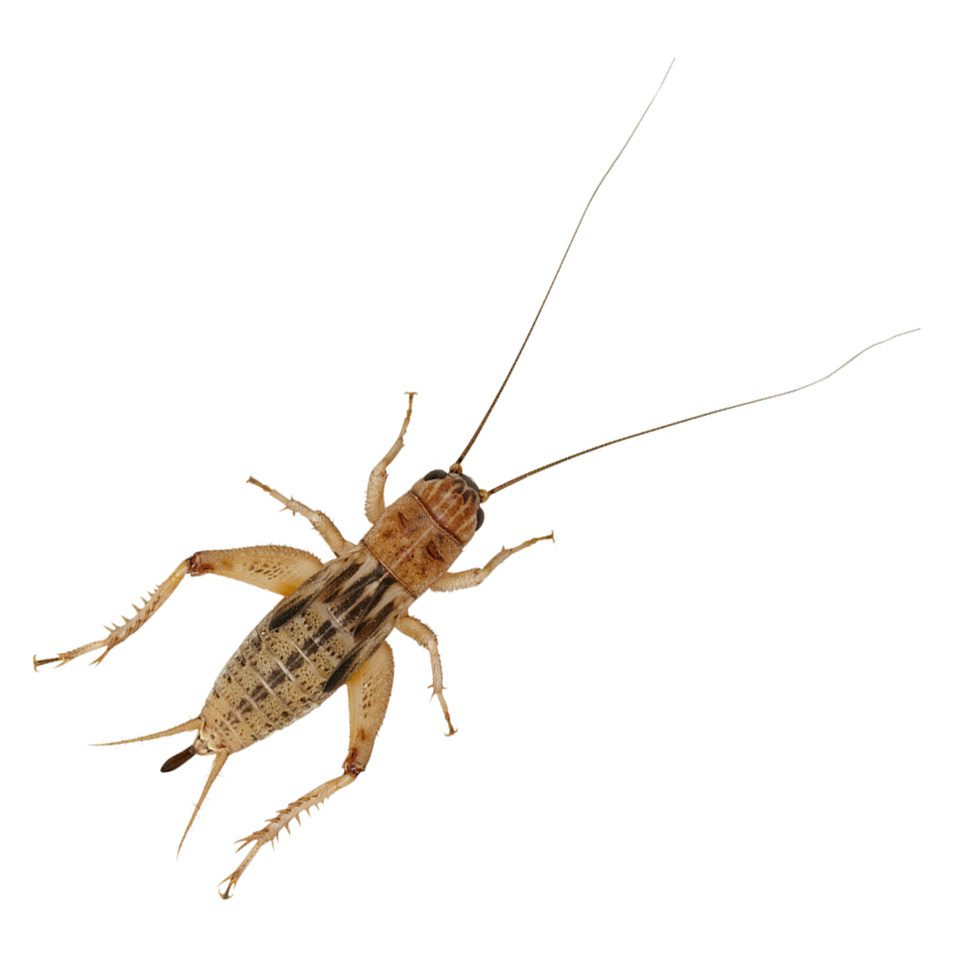
- Crickets: A staple food source for many tarantulas, crickets are high in protein and easily digestible.
- Locusts: Another staple food source, high in protein.
- Roaches: Dubia roaches and other species are also nutritious and can be a preferred food source.
- Mealworms: These can be offered occasionally, but should not form the main part of their diet due to their high-fat content.
Feeding Supplies:
- Feeding Tongs: Long feeding tongs are ideal for offering live food while keeping your fingers safe.
- Feeding Schedule: Adults may be fed once a week, while younger tarantulas may require more frequent feedings.
Supplements
While not always necessary, supplements can benefit your tarantula, especially during molting.
Types of Supplements:
- Calcium Powder: If your tarantula consumes prey items that may lack sufficient calcium, dusting insects with calcium powder can help.
- Vitamin Supplements: These can be beneficial, especially for young tarantulas, to ensure they receive all necessary nutrients.
Usage:
Supplements should be used sparingly and in conjunction with a balanced diet to avoid health issues.
Molting Box
Tarantulas undergo molting to grow, and providing a separate molting box can help them through this process more comfortably.
Molting Box Features:
- Small Enclosure: A small, low-stress enclosure can be used as a molting box.
- Soft Substrate: Ensure the substrate is soft to prevent injury during the process.
- Low Light: Keep the box in a dimly lit area to mimic their natural environment.
Importance:
Providing a safe space during molting can reduce stress and improve recovery.
First Aid Supplies
While tarantulas are relatively hardy, having a few first aid supplies on hand can be invaluable in case of injuries or health issues.
Essential First Aid Items:
- Antiseptic Solution: A gentle antiseptic can be used to clean minor wounds.
- Tweezers: Useful for removing foreign objects or debris from the tarantula’s habitat.
- Enclosure Cleaning Supplies: Non-toxic cleaning agents and paper towels for maintaining a clean environment.
Monitoring Health:
Regularly check your tarantula for signs of illness, such as lethargy, refusal to eat, or abnormal behaviour.
Caring for a tarantula can be a rewarding experience when equipped with the right supplies. From choosing the appropriate enclosure and substrate to ensuring a healthy diet and proper monitoring, each item plays a critical role in maintaining the health and happiness of your tarantula. By investing in these essential supplies, you can create a safe and stimulating environment for your new eight-legged companion.
References
McDonald, S. (n.d.). Tarantula Care Manual.
Schultz, S. A., & Schultz, M. J. (n.d.). The Tarantula Keeper’s Guide.
Arachnoboards. (n.d.). Arachnoboards. www.arachnoboards.com
McGinty, P. (n.d.). Tarantula: A Complete Pet Owner’s Guide.
Tarantula Wiki. (n.d.). The Tarantula Wiki. www.tarantulawiki.com