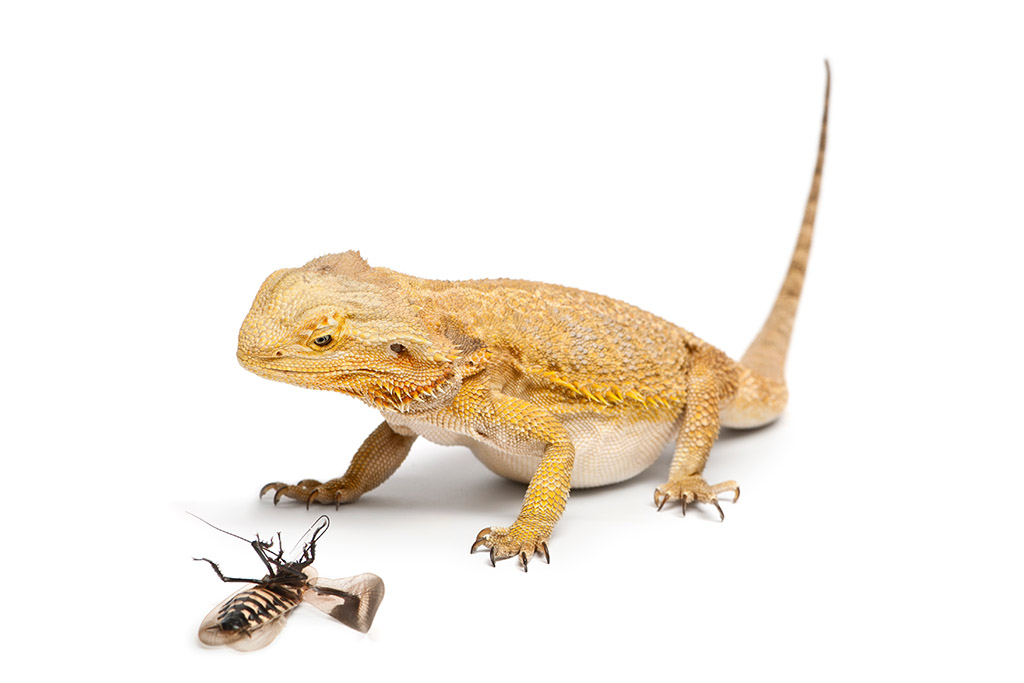
Bearded dragons (Pogona spp.) have gained immense popularity as pets due to their friendly disposition and relatively straightforward care requirements. However, like any pet, they require proper attention to their health to thrive. This article will delve into the various aspects of bearded dragon health, including diet, housing, behaviour, common health issues, and preventive care, while offering practical tips to ensure your bearded dragon remains healthy and happy.
Understanding Bearded Dragons
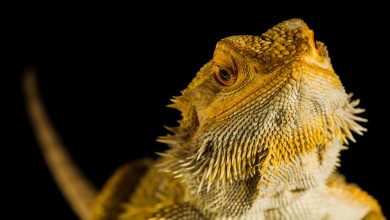
Bearded dragons are native to Australia and can be found in a variety of habitats, from deserts to woodlands. They are named for the spiky scales on their throat that can puff out when threatened, resembling a beard. Bearded dragons are diurnal, meaning they are active during the day, and they enjoy basking in sunlight. Understanding their natural behaviours and requirements is crucial for maintaining their health in captivity.
Lifespan
In captivity, bearded dragons can live anywhere from 8 to 15 years, depending on their care. Factors influencing their lifespan include genetics, diet, habitat, and overall care. Providing a suitable environment and a balanced diet is essential for a long, healthy life.
Housing Requirements
A proper habitat is essential for the health of your bearded dragon. Here are some important considerations:
Enclosure Size
The size of the enclosure is vital for the well-being of your bearded dragon. A minimum tank size of 3 feet (40 gallons) is recommended for adults, while juvenile dragons can thrive in slightly smaller tank. Bearded dragons are terrestrial (they live on the ground), rather than arboreal (living in the trees), so their enclosure should be longer than it is tall to allow for adequate space for basking and roaming.
Temperature and Lighting
Bearded dragons require a temperature gradient in their enclosure to regulate their body temperature. The basking area should be maintained between 38-42°C (100-107°F), while the cooler side of the enclosure should be kept at around 24-28°C (75-82°F). Proper lighting is also essential; a UVB light should be provided to ensure your dragon can synthesize vitamin D3, which is necessary for calcium absorption.
Humidity
Maintaining appropriate humidity levels (around 30-40%) is crucial. Too high humidity can lead to respiratory problems and other health issues, while too low humidity can cause dehydration and shedding problems. A hygrometer can be used to monitor humidity levels accurately.
Diet and Nutrition
A balanced diet is fundamental to the health of bearded dragons. They are omnivores, meaning their diet should consist of a variety of plant and animal matter. For a more detailed breakdown of diet and nutrition, please check out our Ultimate Bearded Dragon Feeding Guide.
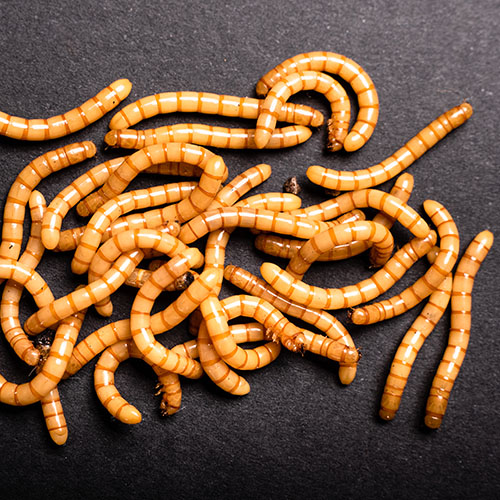
Live Food
Insects such as crickets, locusts, mealworms, and roaches are essential protein sources for bearded dragons. They should be appropriately sized—no larger than the space between the dragon’s eyes. Live food should be gut-loaded (fed nutritious food) before being offered to your dragon to ensure maximum nutritional benefit.
Vegetables and Greens
Leafy greens should make up a substantial portion of a bearded dragon’s diet. Suitable options include collard greens, dandelion greens, mustard greens, and kale. Other vegetables like bell peppers, carrots, and squash can also be included but should be offered in moderation. Fruits such as berries, apples, and melons can be given as treats but should not constitute a large part of their diet due to high sugar content.
Supplements
Calcium and vitamin supplements are necessary for preventing metabolic bone disease (MBD), a common issue in bearded dragons. Dusting live food with calcium powder at least twice a week and providing a multivitamin supplement once a week can help ensure your bearded dragon receives adequate nutrition.
Hydration
Bearded dragons often get their hydration from their food, but they should also be provided with fresh water daily. Some dragons may enjoy soaking in shallow water, which can aid in hydration and shedding.
Behavioural Health
Understanding and monitoring your bearded dragon’s behaviour is crucial for identifying any health concerns.
Signs of a Healthy Dragon
A healthy bearded dragon should be alert, active, and exhibit a healthy appetite. They should also have clear eyes, firm body condition, and smooth skin. Observing your dragon’s behaviour can provide insights into their health status.
Stress and Environment
Stress can significantly impact a bearded dragon’s health. Common stressors include improper handling, environmental changes, and incompatible tank mates. Signs of stress can include lethargy, refusal to eat, and aggressive behaviour. Providing a stable and suitable environment can mitigate stress.
Common Health Issues
Despite the best care, bearded dragons can still experience health issues. Early detection and intervention are crucial for successful treatment.
Metabolic Bone Disease (MBD)
MBD is a common ailment in bearded dragons caused by a deficiency in calcium and vitamin D3. Symptoms include lethargy, weakness, and deformities in the bones. Treatment involves correcting dietary deficiencies, providing UVB light, and potentially administering calcium injections. It should be understood, however, that many deformities are often permanent. It is therefore important to ensure that the correct vivarium setup, lighting requirements and diet are met as early as possible.
Respiratory Infections
Respiratory infections can occur due to poor husbandry, such as inadequate heating and humidity. Symptoms may include wheezing, nasal discharge, and difficulty breathing. Treatment may involve antibiotics, adjusting the environment, and ensuring proper hydration. Many of the respiratory issues encountered are down to high humidity, which should be at the top of your list in terms of troubleshooting any respiratory issues.
Parasites
Internal and external parasites can affect bearded dragons. Signs of parasitic infection include weight loss, poor appetite, and abnormal droppings. Regular faecal examinations by a veterinarian can help identify and treat parasitic infections effectively.
Shedding Problems
Bearded dragons shed their skin periodically, but improper humidity can lead to shedding issues. Signs of shedding problems include retained shed on toes and eyes. Providing a humid hide or soaking can help facilitate shedding.
Preventive Care

Preventive care is vital for maintaining the health of your bearded dragon.
Regular Vet Check-Ups
Routine veterinary check-ups can help identify potential health issues before they become serious. An exotic animal veterinarian experienced with reptiles can provide tailored advice and care.
Quarantine New Arrivals
If introducing a new bearded dragon to your home, it’s essential to quarantine them for at least 30 days. This practice helps prevent the spread of parasites and diseases to your existing pet.
Cleanliness
Maintaining a clean environment is crucial for preventing disease. Regularly clean the enclosure, remove uneaten food, and replace substrate as needed to reduce bacteria and parasites.
Caring for a bearded dragon requires dedication and knowledge, but the rewards are immense. Understanding their dietary needs, housing requirements, and common health issues will enable you to provide the best care possible. Regular veterinary check-ups and maintaining a clean and stable environment will contribute significantly to your bearded dragon’s health and longevity. With the right care, your bearded dragon can live a long, healthy, and fulfilling life, becoming a cherished member of your family.
References
Boyer, D. M. (2014). Reptile Medicine and Surgery (2nd ed.). Saunders.
De Vosjoli, P., Mailloux, R., Donoghue, S., & Klingenberg, R. (2016). The Bearded Dragon Manual. Advanced Vivarium Systems.
Harrington, A., & Connelly, S. (2021). Bearded Dragon Care Guide: Everything You Need to Know About Proper Care. Reptile Enthusiast Publishing.
Johnson, R. (2017). Essential Reptile Veterinary Care. Journal of Exotic Pet Medicine.
Johnson-Delaney, C. A. (2017). Reptile Clinical Medicine and Surgery. CRC Press.
Mader, D. R. (2006). Reptile Medicine and Surgery (2nd ed.). Elsevier.