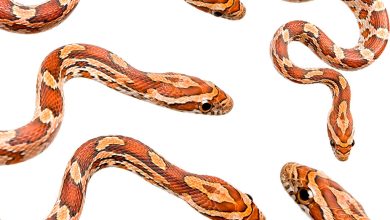
Corn snakes (Pantherophis guttatus) are popular pet snakes, cherished for their striking colours, docile nature, and manageable size. As a responsible snake owner, knowing how to handle your corn snake safely is essential for both your safety and the well-being of your pet. This comprehensive guide covers the techniques, best practices, and precautions you should take when handling your corn snake.
Understanding Your Corn Snake’s Behaviour
Before diving into handling techniques, it is crucial to understand your corn snake’s behaviour. Corn snakes are generally non-aggressive and can become accustomed to handling if introduced properly. However, snakes can exhibit certain behaviours that indicate stress or discomfort. Familiarising yourself with these behaviours will help you handle your snake with confidence and care.
Signs of Stress
Understanding signs of stress is crucial for successful handling. Some common indicators include:
- Hiding: If your snake retreats to its hide box or another secure area, it may be feeling stressed or unsafe.
- Defensive Posturing: If your snake raises its head, hisses, or attempts to strike, it is signalling that it feels threatened.
- Rapid Breathing: Increased breathing rates can indicate stress or anxiety.
- Increased Hiding Behaviour: Frequent hiding can be a sign that your snake is uncomfortable or not acclimated to its environment.
Recognising these signs will help you adjust your approach when handling your corn snake.
Acclimatisation
When bringing a new corn snake into your home, it is essential to allow time for acclimatisation. A new environment can be stressful for a snake. Here are some tips for acclimatising your corn snake:
- Give it Time: Allow your snake to settle into its enclosure for at least a week before attempting to handle it.
- Limit Handling: Initially, limit handling to once a week to avoid stressing your snake.
- Observe Behaviour: Watch for signs of comfort, such as exploring the enclosure or showing interest in its surroundings.
By allowing your corn snake to acclimatise, you help it feel more secure and comfortable in its new home.
Preparing to Handle Your Corn Snake
Before you handle your corn snake, it is essential to prepare yourself and your environment to ensure a safe and stress-free experience for both you and your pet. Start by creating a calm atmosphere, free from loud noises or sudden movements that might startle your snake. Ensure that the handling area is secure, preventing any escape attempts; a flat surface like a table can work well.
1. Create a Safe Space
Prepare a clean, safe area for handling your snake. This could be a designated handling space or a clean table away from distractions. Avoid handling your snake near other pets or loud noises that might startle it.
2. Gather Your Tools
- Handling Gloves: While not always necessary, gloves can provide a sense of security, especially for new snake owners or if you are unsure of your snake’s temperament.
- Feeding Tongs or Snake Hook: If your snake is in feeding mode or shows signs of aggression, use feeding tongs or a snake hook to gently move it safely.
3. Wash Your Hands
Always wash your hands before handling your snake. This helps eliminate any potential contaminants or smells from food that might stress or trigger a feeding response in your corn snake. Avoid using lotions or strong fragrances that might irritate your snake.
Handling Techniques
1. Approach Calmly
When handling your corn snake, it is vital to approach it calmly and slowly. Sudden movements can startle your snake and lead to defensive behaviour. Here’s how to approach your corn snake:
- Let It See You: Before reaching into the enclosure, allow your snake to notice your presence. This will help it adjust to your approach.
- Talk Softly: Speaking in a soft, reassuring voice can help soothe your snake as you approach.
2. Support the Body
When picking up your corn snake, support its body to ensure its comfort and security. Here are the steps to follow:
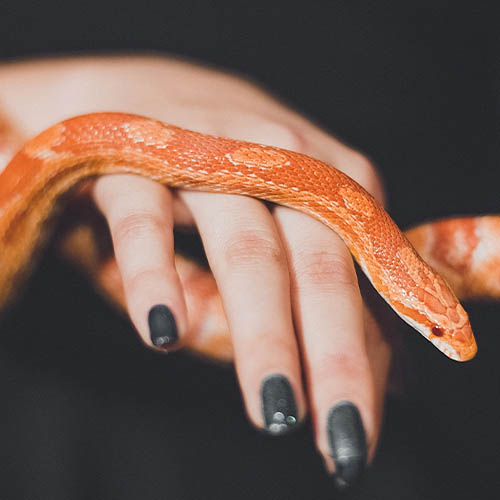
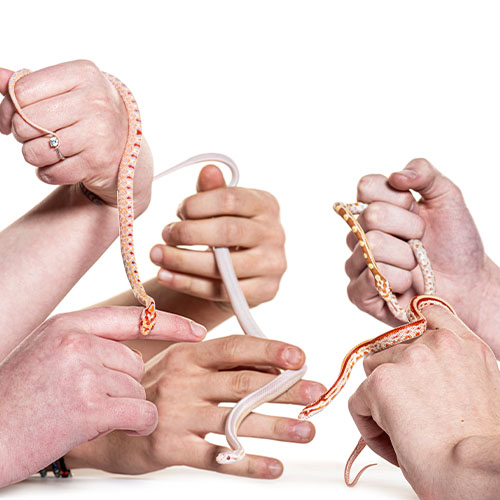
- Gently Lift: Use both hands to gently lift your snake, ensuring you support its body. Start by sliding your hand beneath its body, using your thumb and forefinger to hold it securely.
- Hold It Low: Keep your snake close to the ground or table surface to prevent falls. If it escapes, it may injure itself.
3. Allow Movement
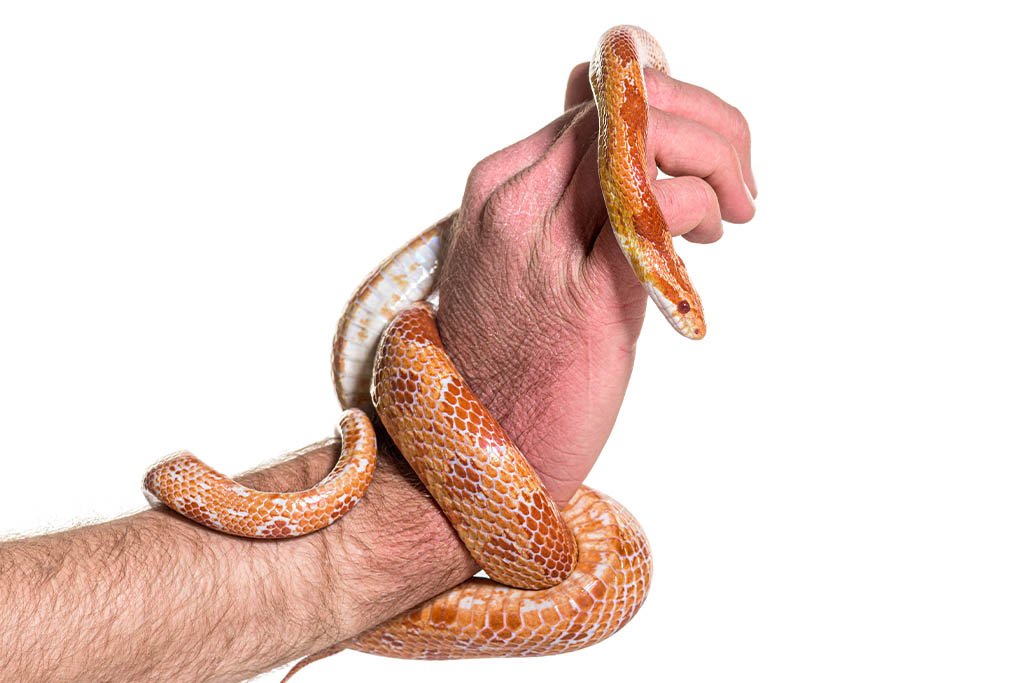
Once you have lifted your snake, allow it to move freely over your hands and forearms. Snakes are naturally curious creatures, and allowing them to explore can help them feel more secure. Here are some tips for letting your snake move:
- Keep Your Hands Steady: Try not to jerk your hands or make sudden movements, as this can startle your snake.
- Avoid Restricting Movement: Let your snake move around your hands or arms, as this will help it feel more comfortable.
4. Time Limits
Keep handling sessions relatively short, especially in the beginning. For new snakes, aim for 10–15 minutes of handling. Gradually increase the time as your snake becomes more accustomed to being handled. If your snake shows signs of stress, such as trying to escape or hiding, it’s best to end the session.
Handling During Shedding
Corn snakes periodically shed their skin, a natural process known as ecdysis. Handling during shedding can be uncomfortable for your snake. Here’s how to approach handling during this time:
1. Monitor the Shedding Process
Corn snakes may become more irritable during shedding, so it is essential to monitor their behaviour closely. Signs that your snake is about to shed include:
- Dull Skin: The skin may lose its vibrant colour and appear dull.
- Increased Hiding: Your snake may spend more time hiding as it prepares to shed.
2. Limit Handling
During shedding, it is best to limit handling. If your snake is already showing signs of shedding, avoid handling it until after it has successfully completed the process. If handling is necessary (for example, for a vet visit), ensure it is kept brief and gentle.
3. Provide Humidity
During shedding, maintaining appropriate humidity levels (around 50–70%) in the enclosure can help facilitate the shedding process. If the environment is too dry, it can lead to stuck sheds. Consider providing a humid hide or misting the enclosure to promote successful shedding.
Post-Handling Care
After handling your corn snake, there are a few important steps to take to ensure its well-being:
1. Return It to Its Enclosure
Carefully place your corn snake back in its enclosure, supporting its body as you lower it into its habitat. Allow the snake to acclimatise again to its environment, and avoid sudden movements that could startle it.
2. Monitor Behaviour
After handling, observe your snake’s behaviour for signs of stress or discomfort. If your snake appears agitated or hides immediately, it may need time to settle back in. Avoid handling it again until it appears comfortable.
3. Avoid Feeding Immediately After Handling
Do not feed your corn snake immediately after handling. It’s best to wait at least 24 hours after handling before offering food. Handling can induce stress, which may cause your snake to refuse food or regurgitate.
Safety Precautions
Handling a corn snake requires mindfulness and respect for its unique behaviours and needs. While these snakes are generally known for their gentle nature, it’s crucial to recognize that each individual may have different temperaments and comfort levels.
1. Watch for Signs of Aggression
While corn snakes are typically docile, individual temperaments can vary. Be alert for signs of aggression, which may include:
Striking Posture: If the snake raises its head and appears ready to strike, back away slowly.
Hissing: A warning signal that the snake feels threatened.
2. Keep Hands Clear of the Mouth
Always be cautious and keep your hands away from your snake’s mouth, especially if it is in feeding mode or exhibiting signs of stress. Even the gentlest snakes can bite if frightened.
3. Handling After Feeding
Avoid handling your corn snake for at least 24 hours after feeding. Handling shortly after feeding can lead to regurgitation, as the snake may be unable to digest properly when stressed.
4. Supervise Children
If children are handling the snake, supervise them closely. Teach them to be gentle and calm around the snake, and explain the importance of being cautious. Children should be reminded that snakes are not toys and require respect and care.
Handling your corn snake can be a rewarding experience, allowing you to bond with your pet and observe its behaviour up close. By understanding your snake’s behaviour, preparing for safe handling, and following best practices, you can ensure a positive and stress-free experience for both you and your corn snake. Remember to be patient and attentive, allowing your snake to adjust to being handled. With time and proper care, you can create a trusting relationship with your corn snake, leading to a long and happy companionship.
References
Tetzlaff, R. (2023). Reptile Handling and Care: Best Practices. Reptile Care Publications. reptilecarepublications.com.
Pettitt, T. (2020). The Ultimate Guide to Corn Snake Care. Reptiles Magazine. reptilesmagazine.com.
Ryan, A. (2021). Understanding Corn Snake Behaviour. Snake Keeper’s Handbook. snakekeepershandbook.com.
Hargrove, C. (2019). Handling Techniques for Pet Snakes. Herpetology Journal. herpetologyjournal.com.
Smith, B. (2022). Common Health Problems in Corn Snakes. Exotic Animal Care. exoticanimalcare.com.