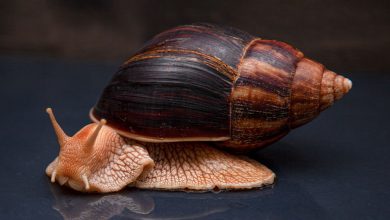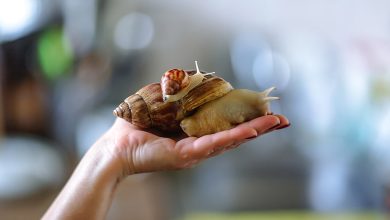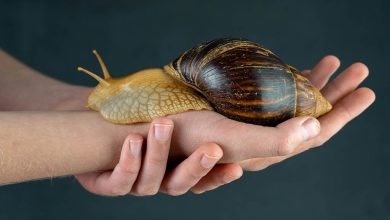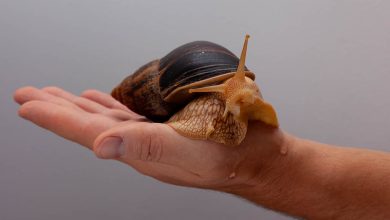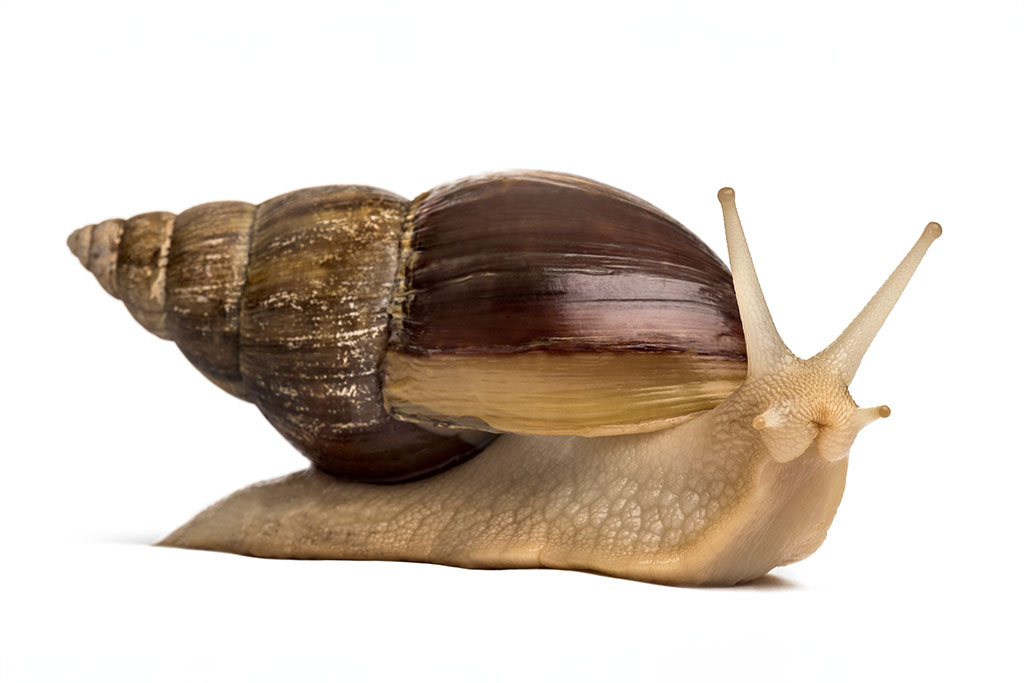
Giant African Land Snails (GALS) are fascinating creatures that have grown in popularity as pets due to their relatively simple care needs, unique appearance, and calming nature. However, like any pet, they require specific care and supplies to ensure their health and longevity. This article will guide you through the top ten essential supplies for your Giant African Land Snail, providing insights into their natural habitat and explaining how to replicate these conditions at home.
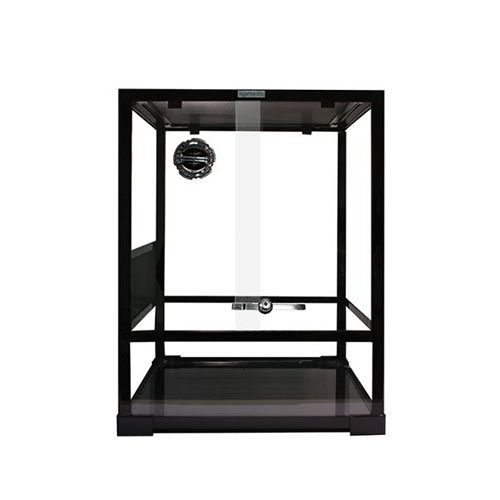
Suitable Terrarium or Tank
The first and most important item on the list is a proper terrarium or tank. Giant African Land Snails need a secure, comfortable environment that mimics their natural habitat. A tank should be spacious enough to allow the snail to move freely, providing ample room to grow and explore. Generally, a glass or plastic tank with a secure, well-ventilated lid is recommended. The tank should be at least 45 cm in length and 30 cm in height, depending on the size and number of snails you keep. The tank must be escape-proof because snails are notorious for climbing and squeezing through tiny gaps.
Key Features:
- Well-ventilated to prevent mould and condensation.
- Escape-proof with a secure lid.
- Spacious enough for the snail’s movement and growth.
Substrate
Substrate is the bedding material that lines the bottom of the snail’s tank. It plays a crucial role in maintaining humidity levels, providing a place for the snail to burrow and lay eggs. The substrate should be at least 10 cm deep to allow for natural digging behaviour. Pre-packed invertebrate soils mixes, coco coir (coconut fibre) and peat-free compost are the most recommended substrates due to their ability to retain moisture without becoming too waterlogged. Avoid using any substrate that contains fertilizers or chemicals, as these can be harmful to your snails.
Key Features:
- Organic, untreated materials (invertebrate soil, coco coir, peat-free compost).
- At least 10 cm deep.
- Retains moisture while allowing burrowing.
Spray Bottle for Humidity Control
Giant African Land Snails thrive in humid environments, as their native habitat includes tropical regions. Humidity levels in the tank should ideally be kept between 70% and 90%. A simple spray bottle filled with dechlorinated water is a must-have to maintain these levels. Regular misting of the tank will help keep the substrate moist and prevent the snail’s skin from drying out. Be careful not to over-mist, as a waterlogged environment can lead to the growth of harmful mould and bacteria.
Key Features:
- Easy-to-use spray bottle.
- Dechlorinated water for misting.
- Maintains humidity between 70% and 90%.
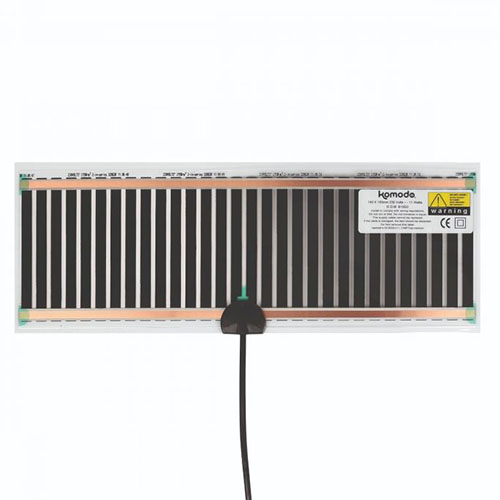
Temperature Regulation (Heat Mat or Lamp)
Giant African Land Snails are ectothermic, meaning they rely on their environment to regulate their body temperature. They thrive in warm environments with temperatures between 20°C and 28°C. Depending on your local climate, you may need a heat mat or a heat lamp to keep the tank at a consistent temperature. A heat mat is often placed under the tank, while a heat lamp can be positioned above. Always use a thermostat to avoid overheating the tank, as temperatures above 30°C can be dangerous for your snail.
Key Features:
- Heat mat or lamp to maintain optimal temperature.
- Thermostat to prevent overheating.
- Keeps tank between 20°C and 28°C.
Hiding Spots and Shelters
In their natural habitat, Giant African Land Snails seek out hiding spots to feel safe from predators and environmental stresses. Providing hiding spots in your snail’s tank is essential for their well-being. You can use various items such as small caves, hollow logs, or even upside-down flower pots. Ensure that these hiding spots are large enough for your snail to comfortably retreat into but not so large that they take up too much space in the tank.
Key Features:
- Multiple hiding spots (caves, logs, etc.).
- Encourages natural behaviours.
- Provides a sense of security.
Calcium Source
A steady supply of calcium is crucial for the health of your Giant African Land Snail. Calcium helps in the development and maintenance of their shell, which can be prone to cracks and breakage if calcium levels are insufficient. The easiest way to provide calcium is through a cuttlebone, which can be placed in the tank for the snail to nibble on as needed. You can also offer powdered calcium supplements sprinkled on food. Avoid calcium sources with added salt, which can harm your snail.
Key Features:
- Cuttlebone or powdered calcium supplement.
- Essential for healthy shell growth.
- Should be available at all times.
Fresh Water Source
Although Giant African Land Snails absorb much of their water through their skin, they still require a shallow dish of fresh, dechlorinated water in their tank. The water dish should be shallow enough that the snail can climb in and out without the risk of drowning but deep enough to allow hydration. Snails also enjoy sitting in water to help with hydration and cooling down. Be sure to change the water daily and keep the dish clean.
Key Features:
- Shallow dish of dechlorinated water.
- Regular cleaning and water changes.
- Helps with hydration and shell care.
Balanced Diet of Fruits, Vegetables, and Protein
Diet is a crucial aspect of keeping your Giant African Land Snail healthy. They are herbivorous and enjoy a wide range of fruits and vegetables, including lettuce, cucumber, apple, and sweet potato. However, it’s essential to offer variety and include foods that provide a good balance of nutrients. Protein is also necessary for growth, especially for young snails, which can be provided through soaked fish flakes, boiled eggs, or specific snail-safe food pellets. Avoid giving snails foods that are high in salt, sugars, or starches, as these can be harmful.
Key Features:
- Variety of fruits and vegetables (lettuce, cucumber, apple).
- Protein sources (fish flakes, boiled eggs).
- Avoid salt, sugars, and starchy foods.
Leaf Litter and Decorative Elements
In the wild, Giant African Land Snails are used to an environment filled with natural debris like fallen leaves, twigs, and decaying plant matter. Introducing leaf litter and other decorative elements into the tank not only enhances its natural appearance but also encourages the snail to engage in natural foraging and burrowing behaviours. Leaf litter can also help retain moisture and provide an additional source of nutrition as it breaks down.
Key Features:
- Natural leaf litter, twigs, or bark.
- Mimics natural habitat.
- Encourages foraging and burrowing.
Tank Cleaning Supplies
Maintaining cleanliness in your snail’s tank is essential for their health. A dirty, mouldy, or damp tank can lead to infections and poor snail health. Cleaning supplies should include non-toxic, pet-safe cleaning products, a sponge or cloth, and gloves. You should regularly spot-clean the tank, removing old food, waste, and dead plant matter. Once every two to four weeks, a full clean is necessary, where the substrate is replaced, and the tank is thoroughly wiped down with warm water and a gentle, snail-safe cleaner.
Key Features:
- Non-toxic, snail-safe cleaning products.
- Regular spot cleaning and deep cleaning.
- Prevents mould and bacteria growth.
Keeping a Giant African Land Snail as a pet can be an incredibly rewarding experience, but it’s important to provide them with the right environment and care. By ensuring you have the proper tank, substrate, humidity control, and a varied diet, you can help your snail thrive in its new home. A healthy and well-cared-for Giant African Land Snail can live for several years, providing you with a fascinating and low-maintenance companion.
References
Wild Reptile Pets. (2023). “Feeding Giant African Land Snails: A Comprehensive Overview.” Available at: https://www.wildreptilepets.com/snail-feeding-guide
Dawes, J. (2020). The Complete Guide to Giant African Land Snails. VermiPress.
Gibbs, R. (2018). “Caring for Giant African Land Snails: A Practical Guide.” Pet Reptile Enthusiast, 12(3), pp. 15-19.
Leach, H. (2019). Understanding Snail Biology and Care: A Detailed Handbook. SnailWorks.
Snail Planet. (2021). “How to Care for Giant African Land Snails.” Available at: https://www.snailplanet.com/care-guide
UK Snails. (2020). “Giant African Land Snails – Basic Care Requirements.” Available at: https://www.uksnails.com/basic-care
The Pet Snail Blog. (2021). “Top 10 Supplies for Pet Snails.” Available at: https://www.thepetsnailblog.com/top-10-supplies
Thompson, L. (2022). Snail Shelters and Their Role in Snail Wellbeing. Critter Press.
Andrews, F. (2017). “Temperature and Humidity Control for Exotic Pets.” Journal of Exotic Pet Care, 9(1), pp. 32-38.
Smith, P. (2019). “The Importance of Calcium in Land Snail Health.” Snail Science Journal, 5(4), pp. 22-25.