When setting up a home for your royal python (Python regius), also known as ball python, choosing the right substrate is a crucial aspect that affects both your snake’s comfort and health. The substrate, or bedding, provides the foundation of the habitat, affecting humidity, temperature control, and sanitation. A poor choice of substrate can lead to health issues like respiratory infections, scale rot, or discomfort, while the right substrate can help maintain proper environmental conditions and promote your royal python’s well-being. In this article, we’ll cover the best substrate options, their pros and cons, and factors to consider when making your choice.
Understanding the Natural Habitat of Royal Pythons
Before diving into substrate options, it’s helpful to understand the natural environment of royal pythons. These snakes are native to West and Central Africa, where they inhabit savannas, grasslands, and lightly forested areas. They spend a good portion of their time in underground burrows or beneath leaf litter, where they are shielded from extreme temperatures and dry conditions.
This habitat is important to consider when selecting a substrate, as it will influence your snake’s preferences. A substrate should mimic the royal python’s natural environment, maintaining proper humidity and temperature, while allowing the snake to exhibit natural behaviours such as burrowing.

Key Factors to Consider When Choosing Substrate
When selecting the substrate for your royal python’s enclosure, several important factors come into play:
Comfort: The substrate should be soft enough for your snake to rest on comfortably, while also providing the right amount of traction for movement.
Humidity: Royal pythons require moderate humidity levels, typically between 50% and 60%, although higher humidity is necessary during shedding periods. The substrate should help retain moisture without becoming too wet or mouldy.
Cleanliness and Odour Control: The substrate must be easy to clean and capable of controlling odours. A dirty or smelly enclosure can stress your snake and lead to health problems.
Safety: Some substrates can pose a risk of impaction if ingested or lead to respiratory problems if too dusty. Ensuring your chosen substrate is safe for royal pythons is crucial.
Cost and Availability: Some substrates are more expensive than others or harder to source. Consider the cost of regularly replacing or maintaining the bedding.
Popular Substrate Options for Royal Pythons
Now, let’s look at some of the most commonly used substrate types for royal pythons, including their advantages and disadvantages.
Aspen Shavings
Aspen shavings are one of the most popular choices among snake keepers. Made from the wood of aspen trees, this substrate offers a natural and aesthetically pleasing look while being safe for reptiles.
Pros:
- Odour Control: Aspen is highly absorbent, which helps control waste odours.
- Cost-Effective: It’s relatively inexpensive and easy to find.
- Low Dust: Compared to other wood-based substrates, aspen produces minimal dust, reducing the risk of respiratory issues.
- Lightweight: It’s easy to spot-clean, and snakes can burrow in it.
Cons:
- Poor Humidity Retention: Aspen shavings don’t hold moisture well, which can make it difficult to maintain appropriate humidity levels for royal pythons.
- Tendency to Mould: If it gets too wet, aspen can become mouldy quickly, so you’ll need to be mindful of the enclosure’s moisture levels.
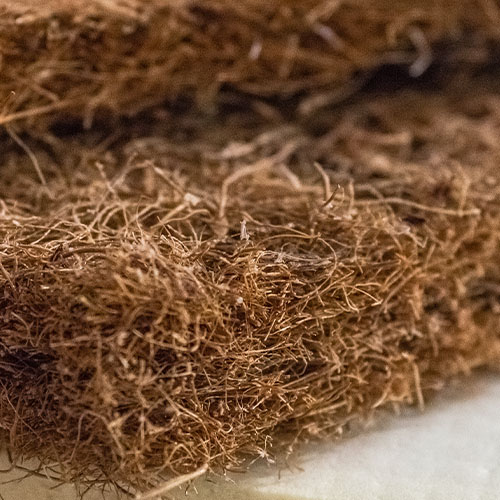
Coconut Husk (Coco Husk or Coir)
Coconut husk, or coir, is a popular eco-friendly option made from the fibrous material of coconut shells. It can come in loose form, bricks that need to be hydrated, or finely shredded.
Pros:
- Excellent Moisture Retention: Coconut husk holds moisture well, helping to maintain the enclosure’s humidity levels, which is essential for shedding and overall health.
- Natural and Aesthetic: It looks natural and can be a visually appealing choice for bioactive setups.
- Odour Absorption: It helps to absorb waste odours.
- Burrowing: This substrate allows royal pythons to burrow, which can provide mental stimulation.
Cons:
- Risk of Mould: Like aspen, coconut husk can develop mould if it becomes too wet. Regular monitoring is required to prevent this.
- Impaction Risk: If ingested during feeding, there’s a risk of impaction. Feeding your snake in a separate enclosure can reduce this risk.
Cypress Mulch (Reptile Forest Floor Substrate)
Cypress mulch is made from shredded bark of cypress trees and is a common choice for reptile enclosures due to its moisture-retaining properties.
Pros:
- Great for Humidity: Cypress mulch holds moisture very well, making it an excellent option for maintaining humidity.
- Naturally Resistant to Mould: Unlike other substrates, cypress mulch is less prone to mould growth.
- Aesthetic Appeal: It gives a natural, forest-floor look to the enclosure.
- Soft and Comfortable: Provides a comfortable surface for your snake to move around and burrow in.
Cons:
- Cost: It can be more expensive than other substrate options.
- Availability: Cypress mulch may not be as readily available in some areas such as the UK.
- Risk of Mites: Although not common, cypress mulch can sometimes introduce mites into the enclosure, so it’s important to source high-quality, pest-free mulch.
Reptile Carpet
Reptile carpet is a washable, reusable substrate made of soft, non-abrasive fabric. It’s often used for reptiles because it eliminates many risks associated with loose substrates.
Pros:
- Easy to Clean: It can be removed and washed, making maintenance relatively simple.
- No Impaction Risk: Because it’s not loose, there’s no risk of your snake ingesting it.
- Reusable: You can clean and reuse reptile carpet for a long time, making it an economical option.
Cons:
- Doesn’t Retain Humidity: Reptile carpet doesn’t hold moisture, so you’ll need to find other ways to maintain proper humidity levels.
- Odour Build-Up: If not cleaned regularly, reptile carpet can harbour odours.
- Limited Burrowing Opportunities: Snakes cannot burrow in this substrate, so it may not cater to their natural instincts.
Newspaper or Paper Towels
Newspaper and paper towels are the most basic, low-cost substrate options. Many snake owners use these as a temporary solution, such as during quarantine or when treating health issues.
Pros:
- Cheap and Readily Available: Newspaper and paper towels are easily accessible and affordable.
- Easy to Spot Clean: Waste can be quickly identified and removed.
- No Risk of Impaction: Since it’s not loose, there’s no risk of your snake swallowing it.
- Hygienic: These materials can be replaced easily, keeping the enclosure sanitary.
Cons:
- Aesthetic: Newspaper and paper towels don’t offer a natural look and may detract from the visual appeal of the enclosure.
- No Burrowing: These substrates don’t allow for burrowing, which may not satisfy your snake’s natural behaviours.
- Humidity Control: Newspaper and paper towels do little to help retain moisture.
Bioactive Substrate
For reptile enthusiasts interested in creating a self-sustaining ecosystem, a bioactive substrate is an advanced option. Bioactive enclosures use a combination of soil, leaf litter, moss, and a clean-up crew of beneficial insects to break down waste.
Pros:
- Mimics Natural Environment: A bioactive setup closely resembles the royal python’s natural habitat, providing a stimulating environment.
- Maintains Humidity: The combination of soil and organic materials helps maintain appropriate humidity levels.
- Self-Cleaning: The clean-up crew of insects (such as springtails and isopods) helps break down waste, reducing the need for regular cleaning.
Cons:
- High Maintenance: Bioactive enclosures require careful setup and ongoing maintenance to ensure the ecosystem stays balanced.
- Cost: Setting up a bioactive enclosure can be more expensive due to the need for various components and live insects.
- Risk of Mites or Other Pests: If not maintained properly, bioactive enclosures can attract pests.

What to Avoid in Substrates
Some substrates are unsuitable or even dangerous for royal pythons. These should be avoided:
Cat Litter: This is dangerous for reptiles due to dust, clumping agents, and potential ingestion.
Cedar or Pine Shavings: These woods contain oils that are toxic to reptiles and can cause respiratory problems and skin irritation.
Gravel or Sand: Both can cause impaction if ingested and don’t provide adequate moisture retention or comfort for royal pythons.
How to Maintain Your Royal Python’s Substrate
No matter which substrate you choose, regular maintenance is essential to ensure your royal python’s health and comfort:
- Spot Clean Daily: Remove faeces and urine-soaked substrate as soon as possible.
- Full Enclosure Clean: Every 4–6 weeks (or as needed), replace all the substrate and disinfect the enclosure.
- Monitor Humidity: Use a hygrometer to regularly check humidity levels and adjust the substrate moisture accordingly.
- Prevent Mould: Keep an eye on any signs of mould growth, especially in humid setups, and replace the substrate if necessary.
The ideal substrate for your royal python depends on your specific needs and preferences. For a natural-looking enclosure that retains humidity, cypress mulch or coconut husk may be the best options. For ease of cleaning and cost-effectiveness, aspen shavings or reptile carpet are excellent choices. If you’re aiming for a self-sustaining environment, a bioactive setup can provide the most natural habitat, but it requires more effort to maintain.
Ultimately, the right substrate should cater to your royal python’s natural behaviour, help maintain appropriate environmental conditions, and be safe and comfortable. Regular cleaning and monitoring of humidity levels are vital, regardless of which substrate you choose. By providing the right bedding, you’ll help ensure your royal python thrives in its home.
References
Williams, H. (2021). “Bioactive Substrates: A Complete Guide.” Herp Hobbyist.
Burns, L. (2022). The Ultimate Guide to Reptile Substrates. Reptile Magazine.
Smith, J. (2023). “Best Substrates for Ball Pythons.” Snake Care Journal.
Taylor, A. (2021). Reptile Husbandry: Substrates and Bedding Options. Exotic Pet Resources.
Jenkins, M. (2020). “Choosing the Right Bedding for Your Python.” Reptile Care Quarterly.
Webber, T. (2023). Eco-Friendly Substrates for Reptile Enclosures. Reptile Habitat Press.