A bioactive enclosure for a Royal Python (Python regius), also known as the ball python, provides a natural, self-sustaining ecosystem that benefits both the snake and the keeper. By mimicking the python’s native habitat and introducing live plants, microorganisms, and a cleanup crew, a bioactive setup can significantly improve the snake’s wellbeing while reducing the need for constant cleaning. This article covers the essentials of creating and maintaining a bioactive enclosure for your royal python, ensuring a healthy and enriching environment.
Why Go Bioactive?
The bioactive approach involves creating an ecosystem within the enclosure that maintains itself with minimal human intervention. The environment consists of live plants, which provide shelter, humidity regulation, and a natural aesthetic; microfauna, tiny organisms like springtails and isopods that act as a cleanup crew, breaking down waste and dead plant material; and decomposing agents such as earthworms and bacteria, which help break down organic waste, keeping the substrate healthy.
For a royal python, which naturally inhabits the savannas and grasslands of West Africa, a bioactive enclosure simulates a habitat that provides necessary humidity, hiding spots, and a more enriching environment.
Benefits of a Bioactive Enclosure
Bioactive enclosures offer several key advantages. First, they promote naturalistic behaviour, allowing royal pythons to burrow, hide, and explore in ways that mimic their wild habits. Second, they are largely self-cleaning, as the presence of microfauna breaks down waste and helps maintain substrate quality. Third, live plants and substrate layers contribute to humidity control, which is essential for a royal python’s health, particularly during shedding. Lastly, bioactive enclosures are aesthetically pleasing, as they recreate a slice of nature in your home.
Step-by-Step Guide to Building a Bioactive Enclosure
Choosing the Right Enclosure
A bioactive setup requires space and proper ventilation. For an adult royal python, a minimum enclosure size of 120 cm x 60 cm x 45 cm (48″ x 24″ x 18″) is recommended, though larger enclosures provide more room for the snake to move around. Glass or PVC enclosures are commonly used due to their ability to retain heat and humidity.
Ventilation is important to prevent mold growth while maintaining proper humidity. Ensure the enclosure has adequate airflow without sacrificing the humidity needed for your python’s health. Front-opening doors are often preferable, as they allow easier access for maintenance and cleaning.
Heating and Lighting
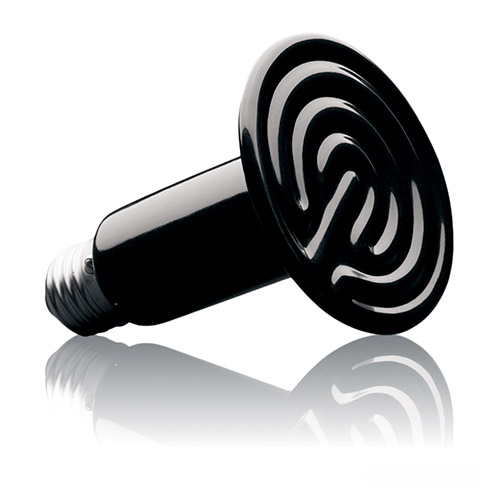
Royal pythons are ectothermic and require external heat sources to regulate their body temperature. A temperature gradient is essential, with one side of the enclosure being warmer than the other. The basking spot should reach around 32°C to 35°C (90°F to 95°F), and this can be achieved using a ceramic heat emitter or heat bulb. The cool end of the enclosure should be maintained at around 24°C to 27°C (75°F to 80°F). Heat mats can also be used, but they must be regulated with a thermostat to prevent overheating.
While royal pythons are nocturnal and do not require UVB lighting, a low-output LED system can support plant growth and provide natural day/night cycles.
Substrate
The substrate is the foundation of your bioactive enclosure, and a layered approach works best. Start with a drainage layer at the bottom, which can consist of small clay balls (hydroton) or lava rocks. This helps prevent water from saturating the substrate and causing issues like mold or bacterial growth.
A mesh or weed barrier is placed on top of the drainage layer to keep the substrate from mixing with it. For the substrate itself, a mixture of coco coir, organic topsoil, and sphagnum moss provides good moisture retention while allowing aeration. Adding leaf litter and pieces of bark can mimic the forest floor and provide food for your cleanup crew. A recommended mixture is 40% coco coir, 40% organic topsoil, and 20% sphagnum moss or orchid bark, with a substrate depth of at least 5-6 inches to allow for burrowing.
Cleanup Crew
The cleanup crew plays an important role in breaking down waste and maintaining a healthy substrate. Springtails are small, soil-dwelling insects that eat mold and organic debris, while isopods, such as Porcellio or Armadillidium species, consume larger pieces of waste. Earthworms can also be introduced to help aerate the soil and decompose organic material.
It’s important to introduce the cleanup crew into the substrate before adding your royal python, allowing the organisms time to establish a population that can sustain itself.
Planting Your Enclosure
Adding live plants is an important part of a bioactive enclosure, as they help maintain humidity levels and provide hiding spots for the snake. However, royal pythons are relatively large and may damage delicate plants. Therefore, it’s best to choose hardy, reptile-safe species.
Some excellent plant options include snake plants (Sansevieria spp.), which are hardy and require little care; pothos (Epipremnum aureum), known for its resilience and tolerance to a variety of conditions; bromeliads, which thrive in humid environments; and ferns (Nephrolepis spp.), which are great for increasing humidity. Be sure to quarantine any plants before adding them to the enclosure to prevent introducing pests or diseases.

Enclosure Décor
In addition to plants, naturalistic décor like cork bark hides, vines, and branches can create an enriched environment for your royal python. Cork bark hides are particularly useful for providing secure, natural shelters, while vines and branches offer some climbing opportunities. Leaf litter can also be added to enhance the enclosure’s natural appearance and provide cover for the cleanup crew.
Maintaining Your Bioactive Enclosure
Once your bioactive enclosure is established, ongoing maintenance is relatively easy, but there are still some essential steps to ensure everything runs smoothly.
Spot Cleaning
Though the cleanup crew will take care of most waste, you should still regularly spot clean any large pieces of feces or uneaten food. This helps prevent mold growth and keeps the environment healthy.
Substrate Moisture
Monitor the moisture levels in the substrate. It should remain slightly damp but not overly wet, as excess moisture can lead to respiratory issues for your royal python. If the substrate feels too dry, mist it lightly with dechlorinated water.
Pruning and Replanting
Plants may need occasional pruning as they grow. If any plants become damaged or die, replace them with new ones to maintain the functionality and aesthetic of the enclosure.
Replenishing the Cleanup Crew
The population of your cleanup crew may decline over time, so it’s a good idea to replenish it occasionally. Adding new springtails or isopods will help keep the ecosystem balanced.
Monitoring Humidity and Temperature
Use a hygrometer and thermometer to regularly check the enclosure’s humidity and temperature levels. Royal pythons require a humidity level of around 50% to 60%, but this should increase to around 70% during shedding. If the humidity is too low, increase misting or add more water to the drainage layer.
Common Challenges
Mold Growth
Mold can be an issue in humid environments, especially if airflow is poor. If you notice mold, remove it immediately and adjust ventilation. The cleanup crew, particularly springtails, can help keep mold growth in check.
Plant Damage
Royal pythons are heavy and may trample plants. To prevent damage, choose robust, hardy plant species and place more delicate plants in protected areas where the snake is less likely to disturb them.
Maintaining a Balanced Ecosystem
It may take time to achieve the right balance of moisture, temperature, and microfauna within the enclosure. Be patient and make small adjustments as needed to create a self-sustaining ecosystem.
Building a bioactive enclosure for your Royal (Ball) python is a rewarding way to provide a natural, enriching environment for your pet. By incorporating live plants, a dynamic substrate, and a healthy cleanup crew, you can create an ecosystem that benefits both the snake and the keeper. While establishing the setup requires some initial effort, the long-term benefits, including reduced maintenance and a healthier, happier snake, make it well worth the time.
References
Reptifiles – “Ball Python Care Sheet”
“The Complete Guide to Bioactive Vivariums” by Joshua D. Willard
“Bioactive Reptile Terrariums: The Ultimate DIY Handbook” by Phillip Chapman
“Python Regius: The Ultimate Ball Python Guide” by Richard White
Reptile.Guide – “Bioactive Enclosures 101”
The Bio Dude – “Building Your Own Bioactive Enclosure”