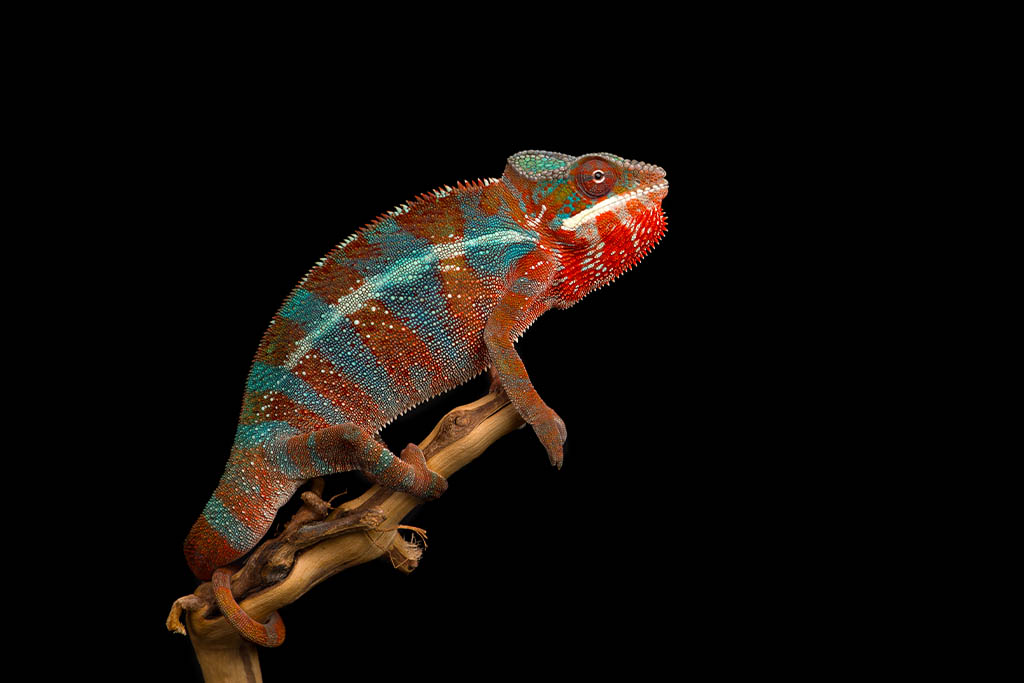
Panther chameleons (Furcifer pardalis) are one of the most visually striking reptiles in the world, renowned for their vibrant colours and remarkable ability to change hues. Native to the island of Madagascar, these chameleons have captivated the attention of researchers, herpetologists, and pet enthusiasts alike. This article aims to provide an in-depth look at the history of panther chameleons, covering their biological characteristics, native habitats, behaviour, and the implications of their popularity in the pet trade.
Biological Characteristics
Physical Features
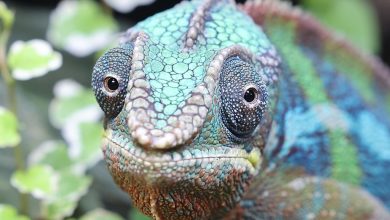
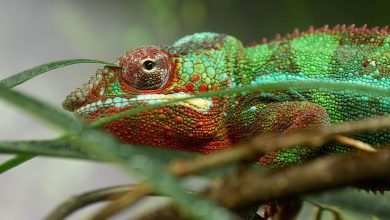
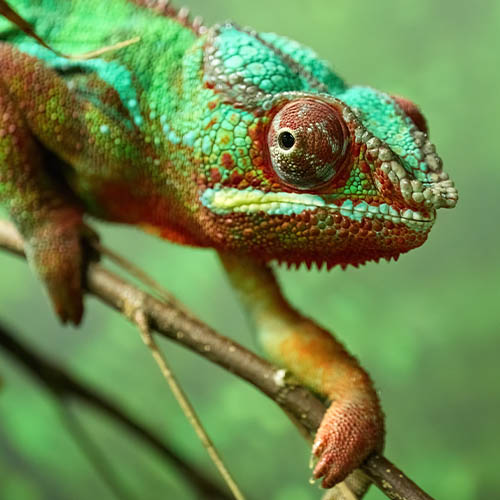
Panther chameleons are notable for their size and striking appearance. Males typically reach lengths of 18 to 24 inches (46 to 61 cm), while females are smaller, averaging around 8 to 12 inches (20 to 30 cm). The males display a dazzling array of colours, including blues, reds, greens, and yellows. These colourations are not merely aesthetic; they serve various purposes, including communication, territorial displays, and camouflage.
The skin of panther chameleons contains special pigment cells called chromatophores, which allow them to change colour in response to environmental conditions, mood, and social interactions. Their large, bulging eyes can move independently, providing them with a wide field of vision—an adaptation crucial for spotting prey and avoiding predators.
Habitat and Distribution
Panther chameleons are endemic to Madagascar, where they inhabit a variety of environments, including rainforests, scrublands, and savannas. Each locality produces a distinct colour morph, leading to a fascinating variety within the species. For instance, chameleons from the Tamatave region are often bright green and blue, while those from Ambilobe exhibit vibrant reds and yellows.
Historical Context
Evolutionary Background
The evolutionary history of panther chameleons is part of the larger evolutionary narrative of chameleons as a group. Chameleons belong to the family Chamaeleonidae, which diverged from other lizard families approximately 100 million years ago. The ancestors of modern chameleons adapted to arboreal life, developing specialised limbs for grasping branches and a unique tongue mechanism for capturing prey.
Fossil evidence suggests that chameleons have existed for tens of millions of years, with some species dating back to the late Cretaceous period. However, the specific evolutionary lineage leading to the panther chameleon is not well documented. Their distinct morphological and behavioural traits likely evolved as adaptations to their specific habitats on Madagascar.
Cultural Significance
Chameleons hold significant cultural importance in Madagascar. Indigenous Malagasy people view these reptiles as symbols of transformation and adaptability. Their ability to change colour is often associated with spiritual beliefs and is reflected in various local art forms and folklore.
Panther chameleons have also been subjects of scientific study since the early 20th century. Naturalists and herpetologists have documented their behaviour and ecology, contributing to a broader understanding of chameleons and their roles in the ecosystem.
Discovery and Scientific Study
Early Discoveries
The first documented account of the panther chameleon came in the early 1800s. The German naturalist Johann Georg Wagler described the species in 1830. However, it wasn’t until the late 19th and early 20th centuries that the study of panther chameleons gained momentum. Researchers like Albert Günther and George A. Boulenger contributed to the classification and understanding of various chameleon species, including the panther chameleon.
During this period, chameleons were primarily studied in the context of their physiology and behaviour. Early research focused on their colour-changing abilities, locomotion, and feeding behaviours. However, the ecological and evolutionary implications of these traits remained largely unexplored.
Modern Research and Conservation Efforts
In recent decades, research on panther chameleons has expanded significantly. Studies have investigated their behaviour, social interactions, and reproductive strategies. One area of particular interest is the role of colouration in mate selection. Research has shown that males with brighter, more vibrant colours are often more successful in attracting mates, suggesting that colour plays a crucial role in reproductive success.
Conservation efforts have also gained traction, particularly as habitat loss and the illegal pet trade threaten panther chameleons. Various organisations and researchers are working to protect Madagascar’s unique biodiversity and ensure the survival of its endemic species.
Panther Chameleons in the Pet Trade
Popularity as Pets
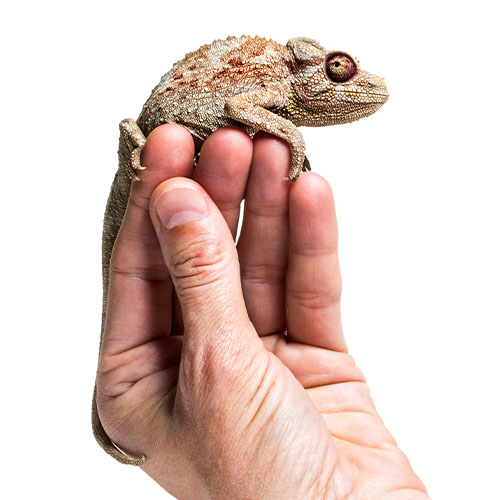
The captivating appearance and unique behaviours of panther chameleons have made them popular pets among reptile enthusiasts. They are often sought after for their vivid colours and fascinating habits, including their ability to change colour and their independent eye movement. However, keeping a panther chameleon requires specialised care and knowledge.
As demand for these reptiles has grown, so too has the issue of illegal trafficking. Wild populations face significant threats from habitat destruction and the collection of individuals for the pet trade. Conservation groups are actively working to combat illegal poaching and promote sustainable practices within the pet industry.
Ethical Considerations
The popularity of panther chameleons has raised important ethical questions regarding their care and conservation. Potential owners must be educated about the specific needs of these reptiles, including their dietary requirements, habitat preferences, and temperature ranges. Many chameleons suffer from health issues related to improper care, leading to calls for better education and standards within the pet trade.
In response to these concerns, various organisations and initiatives aim to promote ethical breeding practices and conservation awareness. Captive breeding programmes have been established to reduce the pressure on wild populations and ensure the long-term survival of the species.
The history of panther chameleons is a captivating narrative that spans millions of years of evolution, cultural significance, and scientific inquiry. As one of Madagascar’s most iconic reptiles, they embody the rich biodiversity of the island and the intricate relationships between species and their habitats.
While their popularity in the pet trade has raised important ethical and conservation issues, ongoing research and awareness initiatives offer hope for the future of panther chameleons. Understanding their history, biology, and ecological role is essential for ensuring the survival of this remarkable species and the preservation of Madagascar’s unique ecosystems.
References
- Bristol, R. (2009). Chameleons: A complete pet owner’s manual. Tropical Fish Hobbyist Publications.
- Glaw, F., & Vences, M. (2007). A field guide to the amphibians and reptiles of Madagascar. Vences & Glaw.
- Köhler, J., & Henkel, F.W. (2014). Chameleons: Their Care and Breeding. Schiminski.
- Moore, A. (2015). “The Natural History of Chameleons.” Herpetological Journal, 25(2), 113-122.
- Randrianiaina, R., & Ramilisonina, D. (2020). “Conservation of Panther Chameleons in Madagascar.” Biodiversity and Conservation, 29(5), 1447-1463.
- Raxworthy, C. J., & Nussbaum, R. A. (2000). “Herpetofauna of Madagascar: A global biodiversity hotspot.” Biodiversity and Conservation, 9(3), 353-373.
- Schulte, H. (2018). “The Colouration of Panther Chameleons: An Evolutionary Perspective.” Journal of Zoology, 306(1), 1-15.
- Snyder, R. (2011). Chameleons: The Complete Guide. Pet Publishing.
- Stewart, M. (2017). “Captive Breeding of Chameleons: Ethical Considerations and Best Practices.” Reptile and Amphibian Care and Breeding, 2(1), 30-42.
- Vences, M., & Glaw, F. (2001). “Phylogenetic Relationships among Chameleons (Reptilia: Chamaeleonidae): Evidence from Molecular Data.” Molecular Phylogenetics and Evolution, 21(3), 447-457.