Royal pythons (Python regius), also known as royal pythons, are one of the most popular pet snakes worldwide due to their calm temperament, manageable size, and relatively simple care requirements. However, to ensure their health and well-being, there are several essential supplies that owners need to provide. This guide will go through the top ten essential items every royal python owner should have and explain their importance.

1. Appropriate Enclosure
The first and most crucial supply for a royal python is a secure and appropriately sized enclosure. Royal pythons are terrestrial, spending much of their time on the ground, so the floor space of the enclosure is more important than height.
- Size: For juvenile royal pythons, a 20-gallon tank or enclosure is sufficient. Adult royal pythons, which can grow to 3-5 feet long, require a larger enclosure of around 40 gallons or a vivarium measuring approximately 90-120 cm (3-4 feet) in length.
- Type: There are several types of enclosures that are suitable for royal pythons, such as glass tanks, plastic tubs, or wooden vivariums with glass fronts. Glass tanks are often the easiest for beginners to use, but they may struggle to hold humidity effectively, which is an important aspect of royal python care. Wooden vivariums with proper ventilation are more adept at maintaining a consistent environment for the snake, especially regarding temperature and humidity.
- Security: royal pythons are notorious escape artists. Ensure the enclosure has a secure, escape-proof lid, especially for glass or plastic enclosures, and avoid gaps where the snake could squeeze through.
2. Heating Equipment
Royal pythons are ectothermic, which means they rely on their environment to regulate their body temperature. They require a warm environment to aid digestion, metabolism, and immune function.
- Under Tank Heater (UTH) or Heat Mat: One of the most common and effective ways to heat a royal python’s enclosure is with an under-tank heater or heat mat, placed on one side of the tank to create a temperature gradient. This allows the snake to thermoregulate by moving between the warm and cool areas. The ideal temperature range is 31-33°C (88-91°F) on the warm side, and 24-26°C (75-79°F) on the cool side.
- Ceramic Heat Emitters or Heat Lamps: If an under-tank heater doesn’t provide enough ambient heat, you can supplement it with a ceramic heat emitter or a heat lamp. These should be used with a thermostat to ensure the enclosure doesn’t overheat.
- Thermostat: Every heating device used in a royal python enclosure must be connected to a thermostat. This device monitors and controls the temperature, preventing dangerous overheating. A non-regulated heat mat or lamp can easily burn your snake, so a thermostat is an absolute must.
3. Thermometer and Hygrometer
Accurate temperature and humidity monitoring are essential for maintaining a healthy environment for your royal python.
- Thermometer: A reliable digital thermometer is necessary to monitor both the warm and cool sides of the enclosure. It’s best to have two thermometers: one on the warm side near the heat source and one on the cool side.
- Hygrometer: Royal pythons need humidity levels between 50% and 60%. Too low humidity can cause respiratory issues and difficulty shedding, while too high humidity can lead to respiratory infections. A hygrometer helps you monitor the enclosure’s humidity levels and adjust accordingly by misting or using a substrate that holds moisture well.
4. Substrate
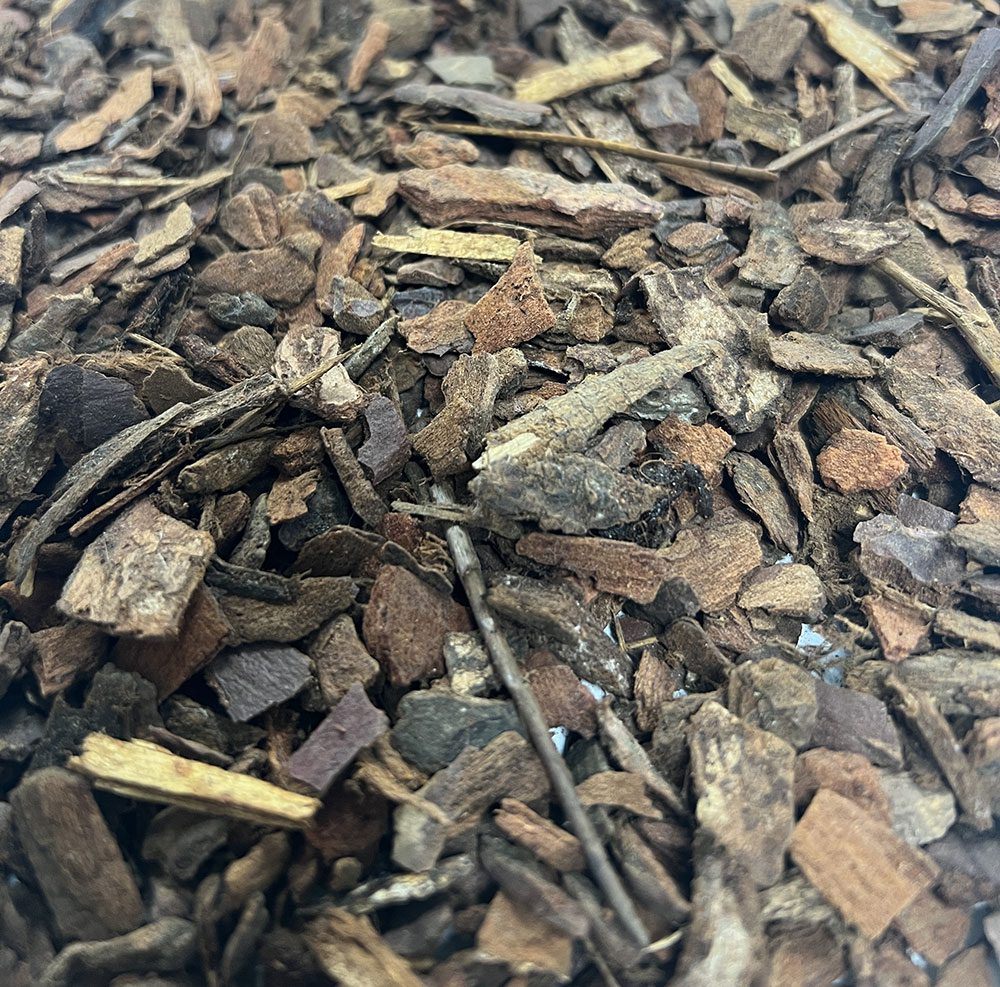
Substrate refers to the bedding material placed at the bottom of the snake’s enclosure. The right substrate helps maintain humidity levels, provides a comfortable surface for the snake to move on, and makes cleaning easier.
- Coconut Fibre: A natural and highly absorbent substrate that holds moisture well, making it ideal for maintaining the correct humidity levels in the enclosure.
- Orchid Bark or Reptile Bark: Again a very natural substrate which holds moisture well. However, the pieces can be large and be a less comfortable substrate.
- Aspen Shavings: Aspen is another popular substrate for royal pythons. It’s absorbent, relatively dust-free, and easy to clean. However, it doesn’t hold humidity as well as coconut fibre.
- Reptile Carpet: Some owners prefer reptile carpet as it is easy to clean and reusable. However, it doesn’t support the natural burrowing behaviour that some royal pythons exhibit.
- Avoid: Cedar and pine shavings should be avoided as they contain oils that can be toxic to snakes.
5. Hides
Royal pythons are naturally shy and secretive animals that spend much of their time in burrows or hiding spots. Providing adequate hiding places is essential to reduce stress and make your snake feel secure in its environment.
- Quantity: At least two hides should be provided – one on the warm side and one on the cool side of the enclosure. This allows the snake to regulate its temperature while still feeling secure. If space allows a third in the middle is ideal.
- Types of Hides: You can use commercially available hides made from plastic, resin, or wood. Ensure the hides are snug and dark, as royal pythons prefer tight spaces. Alternatively, you can create DIY hides using materials like coconut shells, flower pots, or cardboard boxes.
6. Water Dish
A fresh, clean supply of water is essential for your royal python’s hydration, shedding, and overall health.
- Size: The water dish should be large enough for the snake to soak in if desired but not so large that it takes up too much space in the enclosure. Royal pythons may soak themselves if they are shedding or if the humidity is too low.
- Material: Choose a sturdy water dish that is not easily tipped over. Ceramic, resin, or heavy plastic dishes are excellent options.
- Cleanliness: Water should be replaced daily, and the dish should be cleaned regularly to prevent the growth of bacteria. Royal pythons often defecate in their water dish, so cleaning it promptly is important.
7. Humidity Box
In addition to the regular hides, a humidity box (also known as a humid hide) can be helpful, particularly when your snake is about to shed. Royal pythons shed their skin regularly as they grow, and proper humidity is crucial for a smooth shedding process.
- Construction: A humidity box can be made from a plastic container with an entrance hole and filled with damp sphagnum moss, paper towels, or other moisture-holding materials.
- Placement: Place the humidity box on the warm side of the enclosure to create a humid microclimate. Ensure that the substrate inside the box remains moist but not overly wet, as a swampy environment can promote mould growth or cause skin infections.
8. Feeding Tongs
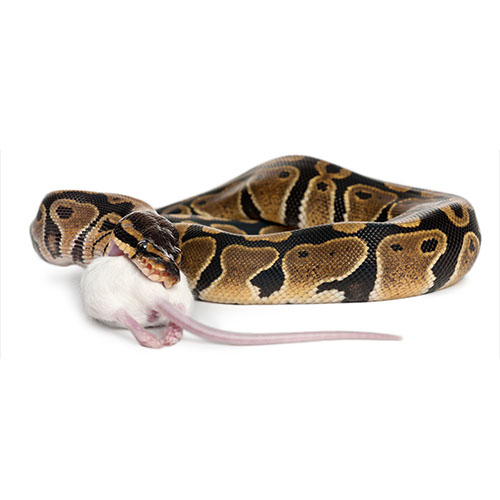
Royal pythons are carnivorous and primarily eat rodents, such as mice or rats. Feeding them with your bare hands can be risky, as even the most docile royal pythons may mistakenly strike at fingers instead of the prey. Feeding tongs offer a safer, more hygienic way to present food.
Size: Choose a pair of tongs that are long enough to keep your hands at a safe distance while feeding your snake. Tongs between 10 and 16 inches (25-40 cm) are typically ideal for royal pythons.
Material: Tongs are usually made from metal or plastic. Metal tongs are more durable, but plastic tongs work just as well if you prefer a softer touch.
9. Snake Hook
A snake hook is not always necessary, but it can be very useful, especially for new snake owners who are still building confidence in handling their pet. A snake hook allows you to safely and gently lift and move your royal python without putting your hands directly on the snake.
- Uses: It’s particularly useful for moving the snake when cleaning its enclosure or when you need to inspect it closely. The snake hook also helps if your royal python is in a defensive mood, giving you a safer distance while handling it.
- Material: Most snake hooks are made from lightweight metal and are designed with a rounded tip to prevent injury to the snake. Hooks come in various sizes, but a medium hook is usually sufficient for royal pythons.
10. Enrichment Items
While royal pythons are relatively sedentary compared to some other snake species, providing environmental enrichment can help stimulate their natural behaviours and improve their well-being.
- Climbing Branches: Although royal pythons are primarily ground-dwelling, they will occasionally climb if given the opportunity. You can add climbing branches, vines, or shelves to encourage exploration.
- Fake Plants: Adding fake plants not only enhances the visual appeal of the enclosure but also provides extra hiding places and cover for your snake. Make sure the plants are non-toxic and securely fastened so your snake cannot dislodge them.
- Tunnels or Tubes: In the wild, royal pythons are known to explore burrows and small tunnels. Offering tubes or even PVC pipe sections in their enclosure can mimic these natural behaviours.
Caring for a royal (ball) python involves more than simply placing it in an enclosure. Providing the right setup and essential supplies is crucial to ensure your snake remains healthy, happy, and stress-free. The correct enclosure size, proper heating, and humidity management, along with secure hides and fresh water, are all fundamental to a royal python’s well-being. With these ten essential supplies, you can create a suitable and enriching environment for your royal python, allowing it to thrive in captivity for many years.
References
- “Ball Python Care Guide.” Reptile Centre, www.reptilecentre.com.
- “How to Set Up a Ball Python Enclosure.” Exotic Direct, www.exoticdirect.co.uk.
- “Ball Python Care Sheet.” Reptiles Magazine, www.reptilesmagazine.com.
- “Ball Python Setup Guide.” Reptiles’ Cove, www.reptilescove.com.
- Mader, D.R. Reptile Medicine and Surgery, 2nd Edition, Saunders, 2006.
- “Substrate Options for Ball Pythons.” PetMD, www.petmd.com.