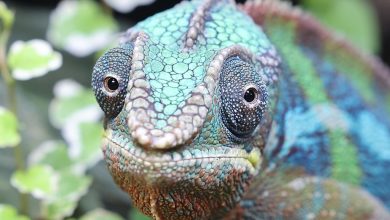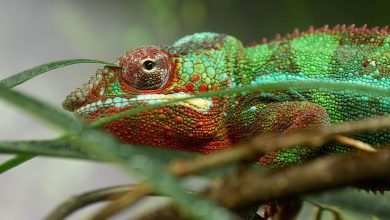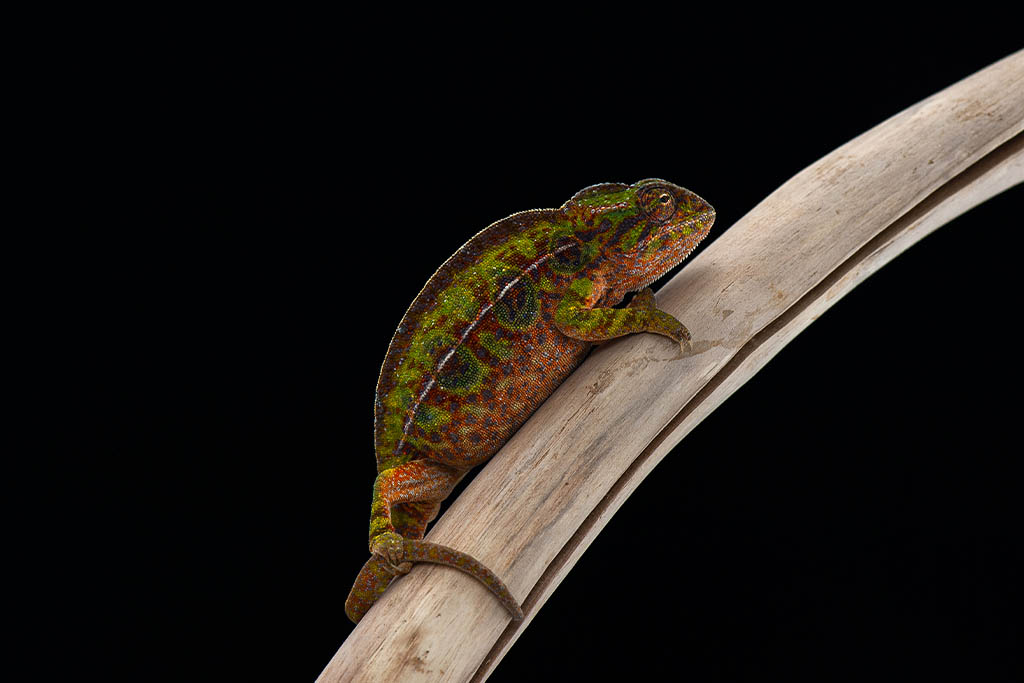
Panther chameleons (Furcifer pardalis) are among the most stunning reptiles kept as pets, boasting vibrant colours and fascinating behaviours. To maintain their health and happiness, it is crucial to provide them with an environment that mimics their natural habitat. This includes the careful selection of live plants, which not only enhances the aesthetic appeal of their enclosure but also offers crucial benefits such as climbing surfaces, hiding spots, and humidity regulation. This article will explore the best plants for panther chameleons, their care requirements, and how to incorporate them into a bioactive vivarium.
Understanding Panther Chameleons’ Natural Habitat
Before delving into specific plants, it’s important to understand the natural habitat of panther chameleons. Native to the island of Madagascar, these chameleons thrive in humid, tropical environments characterised by a diverse array of vegetation. They typically inhabit areas with plenty of cover, such as dense foliage, branches, and vines, allowing them to hunt for insects and hide from potential predators. Creating a similar environment in captivity not only enriches their lives but also promotes natural behaviours.
Benefits of Live Plants in Chameleon Enclosures
Live plants offer numerous advantages for panther chameleons:
- Climbing Surfaces: Chameleons are arboreal, and they require ample climbing opportunities. Plants provide vertical space that encourages exercise and exploration.
- Hiding Spots: Dense foliage allows chameleons to feel secure, reducing stress and the likelihood of displaying defensive behaviours.
- Humidity Regulation: Plants contribute to humidity levels through transpiration, helping to maintain a comfortable environment for your chameleon.
- Aesthetic Appeal: A well-planted enclosure enhances the visual appeal of the habitat, making it more enjoyable for both the owner and the pet.
- Naturalistic Feeding: Live plants can also support a natural feeding routine by providing insects with hiding places, making it easier for the chameleon to hunt.
Selecting the Best Plants for Panther Chameleons
When choosing plants for a panther chameleon enclosure, it’s essential to consider their toxicity and compatibility with the specific environmental conditions of the vivarium. Here are some of the best plant options:
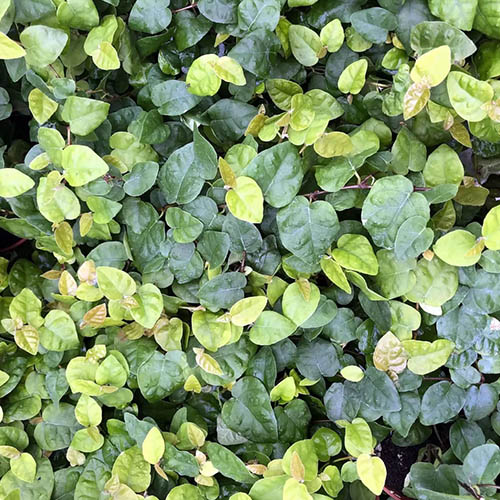
Ficus benjamina (Weeping Fig)
Description: The Weeping Fig is a popular choice for reptile enclosures due to its dense foliage and ability to thrive in various lighting conditions.
Care:
- Light: Requires bright, indirect light.
- Humidity: Prefers moderate humidity levels; misting can help maintain moisture.
- Temperature: Thrives in temperatures between 18-24°C (65-75°F).
Benefits: The thick leaves provide excellent hiding spots and climbing surfaces, making it a favourite among chameleon keepers.
Dracaena spp. (Dracaena)
Description: Dracaena plants are hardy and come in various varieties, such as Dracaena marginata and Dracaena reflexa. They are known for their long, arching leaves and can tolerate lower light conditions.
Care:
- Light: Prefers indirect sunlight; too much direct light can scorch the leaves.
- Humidity: Moderate humidity is ideal; can tolerate drier conditions.
- Temperature: Prefers temperatures around 21-26°C (70-80°F).
Benefits: Dracaenas are non-toxic and provide good cover while allowing chameleons to perch on their sturdy branches.
Pothos (Epipremnum aureum)
Description: Pothos is a fast-growing, hardy vine known for its heart-shaped leaves. It is often used in vivariums due to its adaptability.
Care:
- Light: Thrives in low to bright indirect light.
- Humidity: Can tolerate varying humidity levels but thrives in higher humidity.
- Temperature: Grows well in temperatures between 18-24°C (65-75°F).
Benefits: Pothos is excellent for creating a lush, green backdrop in the enclosure, and its trailing vines offer additional climbing opportunities.
Hibiscus (Hibiscus rosa-sinensis)
Description: The Hibiscus plant is known for its large, colourful flowers and broad leaves, which can provide excellent cover.
Care:
- Light: Requires full sun to thrive; placing it near a basking light can enhance growth.
- Humidity: Prefers higher humidity levels.
- Temperature: Ideal temperature is around 21-29°C (70-85°F).
Benefits: The large leaves offer great hiding spots, and the vibrant flowers can add a splash of colour to the enclosure.
Bromeliads
Description: Bromeliads are unique plants that grow in a rosette shape, often with brightly coloured flowers. They can be used as both decor and habitat elements.
Care:
- Light: Prefer bright, indirect light; some can tolerate direct sunlight.
- Humidity: Thrive in high humidity environments; water should be kept in the centre of the rosette.
- Temperature: Prefer temperatures between 21-27°C (70-80°F).
Benefits: Bromeliads provide excellent hiding spots and can retain moisture, which is beneficial for the humidity levels in the enclosure.
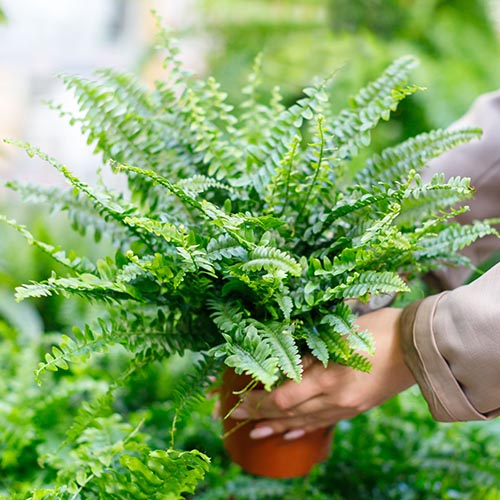
Ferns (e.g., Nephrolepis exaltata, or Boston Fern)
Description: Ferns are a classic choice for tropical enclosures, known for their delicate fronds and lush appearance.
Care:
- Light: Prefer indirect light; too much direct sunlight can damage the fronds.
- Humidity: Require high humidity to thrive.
- Temperature: Best kept in temperatures around 18-24°C (65-75°F).
Benefits: Ferns add a lush, tropical feel to the enclosure and provide excellent hiding spots.
Spider Plant (Chlorophytum comosum)
Description: The Spider Plant is a hardy, adaptable plant known for its arching leaves and “baby” offshoots.
Care:
- Light: Prefers bright, indirect light but can tolerate lower light.
- Humidity: Can adapt to various humidity levels.
- Temperature: Thrives in temperatures of 18-24°C (65-75°F).
Benefits: Spider plants are non-toxic and provide excellent cover, along with the potential for additional climbing opportunities.
Creating a Bioactive Vivarium
To ensure the long-term health of both your chameleon and the plants, consider creating a bioactive vivarium. This setup mimics a natural ecosystem, including live plants, beneficial microfauna, and a substrate that supports plant growth.
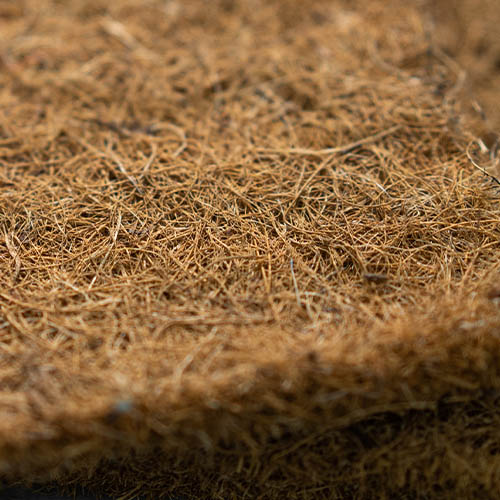
Substrate
Use a substrate that allows for proper drainage and retains moisture. A mix of reptile soil, forest floor mix, coconut coir, and leaf litter works well. Adding a drainage layer of gravel or hydroton can help prevent root rot.
Lighting
Ensure that the enclosure receives adequate lighting. A combination of UVB lights for basking and grow lights for plant growth is ideal. UVB lighting is crucial for chameleons, as it helps them synthesize vitamin D3 and absorb calcium.
Humidity Control
Maintaining humidity is essential for both plants and panther chameleons. Regular misting and incorporating a water feature can help create a humid microclimate. You may also consider using a hygrometer to monitor humidity levels.
Maintenance
Regularly trim and care for the plants to prevent overcrowding and ensure adequate airflow. Remove any dead or decaying foliage to maintain cleanliness and prevent mould growth.
Selecting the right plants for your panther chameleon enclosure is crucial for creating a healthy and stimulating environment. By incorporating a variety of live plants, you can enhance your chameleon’s habitat, providing climbing surfaces, hiding spots, and improved humidity levels. Plants like Ficus benjamina, Dracaena, Pothos, Hibiscus, Bromeliads, ferns, and Spider Plants are excellent choices that can thrive in the conditions required for panther chameleons.
A well-planned bioactive vivarium will not only benefit your chameleon but also create a vibrant, living ecosystem that mimics their natural habitat. With proper care and maintenance, both your chameleon and its plant companions will thrive, leading to a happier and healthier pet.
References
A. T. Brown (2022). “Setting Up a Bioactive Vivarium: Best Practices.” The Reptile Network.
H. S. F. Pereira et al. (2020). “Keeping Chameleons: Environmental Enrichment and Care.” Reptile Care Journal.
D. R. McGrath (2018). “Creating a Naturalistic Vivarium for Chameleons.” The Reptile Magazine.
G. A. Miller (2021). “Choosing Plants for Your Chameleon: A Guide.” Pet Reptiles Monthly.
K. Johnson (2019). “The Importance of Humidity in Chameleon Care.” Herpetology Today.