Creating a bioactive enclosure for your mantis can significantly enhance its well-being and mimic its natural habitat. Bioactive setups are self-sustaining ecosystems that integrate live plants, microfauna, and beneficial bacteria to create a balanced environment. This approach not only provides enrichment and stimulation for your mantis but also simplifies the maintenance of the enclosure, allowing for a more naturalistic care routine.
Understanding Mantis Natural Habitat
Mantises are found in diverse habitats ranging from tropical rainforests to temperate woodlands. Their environments typically include various vegetation, providing ample climbing surfaces and hiding spots. Replicating these conditions in a bioactive enclosure will ensure your mantis thrives. Key considerations when designing a habitat include humidity, temperature, and plant selection.

Enclosure Selection
The first step in creating a bioactive enclosure is selecting an appropriate container. The enclosure should be tall rather than wide, as mantises are arboreal creatures that thrive in vertical spaces. A glass terrarium or a plastic enclosure with good ventilation is ideal. Aim for a height of at least 30 cm (12 inches) to accommodate climbing plants and structures.
Recommended Enclosure Sizes:
Large mantis species (e.g., African mantis): 60 x 60 x 120 cm (24 x 24 x 48 inches)
Small mantis species (e.g., Ghost mantis): 30 x 30 x 60 cm (12 x 12 x 24 inches)
Medium mantis species (e.g., Chinese mantis): 45 x 45 x 90 cm (18 x 18 x 36 inches)
Substrate Layer
The substrate is a vital component of a bioactive enclosure, as it supports plant growth and the microfauna necessary for a healthy ecosystem. A mixture of organic potting soil and substrate additives can provide a suitable base. The substrate should be at least 5-10 cm (2-4 inches) deep to allow for plant roots and to encourage microbial activity.
Substrate Layers:
Bottom Layer: Start with a drainage layer of clay pebbles or hydro balls to prevent water accumulation and root rot.
Geological Layer: Add a layer of activated charcoal to filter the air and water, maintaining a clean environment.
Soil Layer: Top it with a nutrient-rich organic potting mix that supports plant growth. Avoid soils with added fertilisers or pesticides.
Selecting Plants
When choosing plants for your mantis enclosure, consider species that are non-toxic and thrive in the specific humidity and light conditions of your setup. Live plants will improve air quality, provide climbing surfaces, and offer hiding spots.
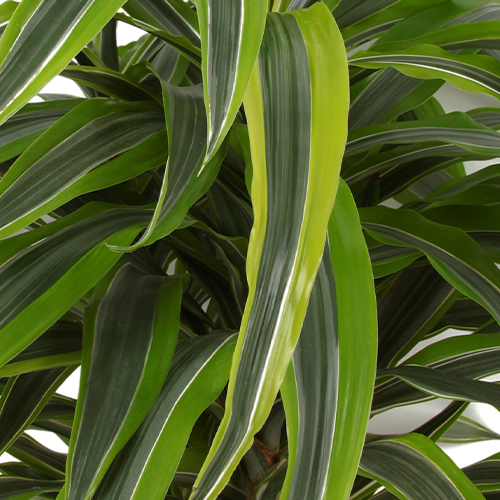
Recommended Plants:
Moss (e.g., sheet moss or Java moss): Adds a natural look and helps retain moisture.
Pothos (Epipremnum aureum): Hardy, trailing plant that tolerates low light and helps purify the air.
Spider Plant (Chlorophytum comosum): Easy to care for and produces long, arching leaves.
Ferns (e.g., Boston fern or Maidenhair fern): Thrive in humid environments and offer lush foliage.
Plant Arrangement:
Plant taller species towards the back and shorter ones at the front to create a visually appealing, layered look. Ensure there are open spaces for your mantis to navigate and hunt.
Microfauna Introduction
Microfauna are small organisms that play a crucial role in maintaining the health of a bioactive enclosure. They help break down waste, aerate the substrate, and provide a food source for your mantis.
Recommended Microfauna:
- Springtails (Collembola): Excellent at consuming organic waste and preventing mould growth.
- Isopods (e.g., Armadillidiidae): Help decompose waste and provide a nutritious snack for mantises.
- Mites (Hypoaspis spp.): Act as pest control by feeding on harmful organisms.
Introducing Microfauna:
Start with a small population of springtails and isopods, gradually allowing them to establish themselves. You can find these organisms online or at pet stores specializing in live food for reptiles and amphibians.
Humidity and Temperature Control
Mantis care requires maintaining appropriate humidity and temperature levels. Most mantis species prefer humidity levels of 50-70% and temperatures between 20-30°C (68-86°F).
Humidity Control:
- Misting: Regular misting can help maintain humidity. Use a spray bottle to lightly mist the enclosure daily.
- Water Source: Adding a small water feature, such as a shallow dish with clean water or a small fountain, can increase humidity and provide drinking water for your mantis.
Temperature Control:
- Heating: If the ambient temperature is too low, consider using a heat mat or heat lamp. Ensure that the heat source does not create direct hot spots and always monitor temperatures using a thermometer.
Lighting
Lighting is essential in a bioactive enclosure to promote plant growth and maintain the natural day-night cycle. Use full-spectrum LED or fluorescent bulbs to simulate natural sunlight.
Lighting Guidelines:
- Duration: Provide 12-14 hours of light per day. A timer can automate this process, ensuring consistent light exposure.
- Positioning: Position lights above the enclosure, ensuring they are not too close to avoid overheating.
Enclosure Maintenance
Maintaining a bioactive enclosure involves regular observation and minimal interference.
Cleaning:
- Spot Cleaning: Remove uneaten food and waste weekly to prevent mould and bacteria buildup.
- Water Changes: If using a water feature, change the water weekly to keep it clean and prevent stagnation.
Plant Care:
- Trimming: Regularly trim back overgrown plants to maintain space and airflow. Remove any dead leaves to prevent decay.
- Fertilisation: Use organic fertilisers sparingly, as a bioactive system generally balances nutrients through decomposing organic matter.

Enrichment and Interaction
Providing enrichment is crucial for the mental stimulation and overall health of your mantis.
Enrichment Ideas:
Interactive Feeding: Hand-feeding or using feeding tongs can enhance the bond between you and your mantis while also providing an opportunity for natural hunting behaviours.
Climbing Structures: Introduce branches, vines, or bamboo sticks for climbing. Ensure these are clean and free from chemicals.
Hiding Spots: Create hiding spaces using cork bark, driftwood, or plant foliage, allowing your mantis to feel secure.
Observing Your Mantis
Once your bioactive enclosure is set up, take the time to observe your mantis in its new habitat. Look for signs of health and comfort, such as active hunting, exploring its environment, and regular moulting. A thriving mantis will display vibrant colours and engage in normal behaviours.
Troubleshooting Common Issues
- High Humidity Levels: If the enclosure becomes too humid, increase ventilation and reduce misting frequency.
- Low Humidity Levels: If humidity drops, increase misting or add more plants to help retain moisture.
- Plant Die-Off: If plants begin to wilt, check for adequate light, moisture, and nutrients.
- Microfauna Population Decline: If your microfauna are dying off, ensure they have enough organic matter to feed on and check the moisture levels.
Creating a bioactive enclosure for your mantis is a rewarding project that not only benefits your pet but also adds beauty and liveliness to your home. By incorporating plants, microfauna, and a well-structured environment, you can provide a naturalistic habitat that meets your mantis’s needs. Regular observation and minimal intervention will help maintain a balanced ecosystem, allowing your mantis to thrive.
References
Alderton, D. (2007). Insects as Pets: The Ultimate Guide to Keeping Exotic Insects. TFH Publications.
Falk, S. (2018). The Mantis Handbook: A Guide to Keeping Mantids in Captivity. Terrarium Publications.
Pratt, S. (2020). “Creating a Bioactive Terrarium for Mantises.” Reptile Magazine. Reptile Magazine
Wallace, C. (2019). “Understanding Bioactive Enclosures: A Guide for Reptile Keepers.” Herpetoculture Magazine. Herpetoculture Magazine
Wilson, D. (2021). The Complete Guide to Keeping Exotic Pets. Animal Care Publications.