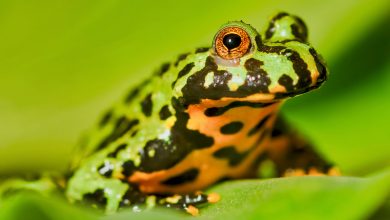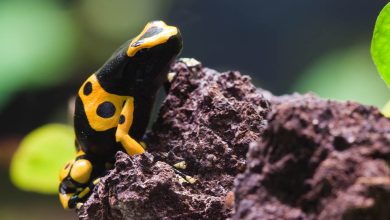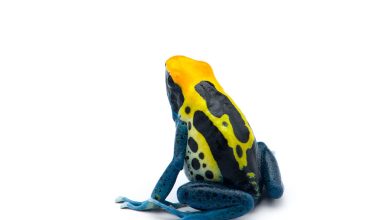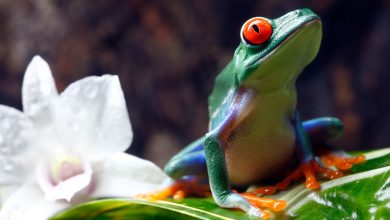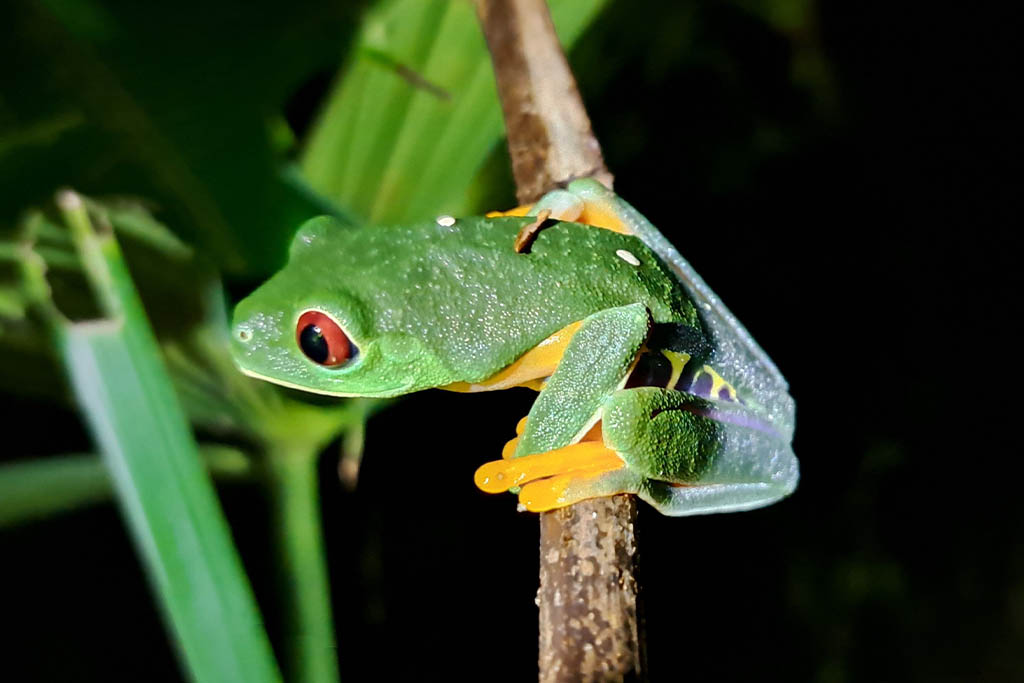
Red-eyed tree frogs (Agalychnis callidryas) are among the most vibrant and captivating amphibians in the pet trade. Known for their vivid red eyes, bright green bodies, and blue and yellow flanks, they hail from Central and South American rainforests, where they live among the lush canopies. Keeping these amphibians requires careful attention to their specific environmental and dietary needs to ensure they thrive in captivity. If you’re thinking about adopting these fascinating frogs, it’s crucial to have the right supplies.
Here is a detailed look at the top ten essential supplies for keeping red-eyed tree frogs, along with why they are important for their care.
1. Appropriate Vivarium/Terrarium
A proper terrarium or vivarium is the foundation of any red-eyed tree frog setup. These frogs need an enclosure that mimics their natural environment, which includes high humidity and vertical space for climbing.
- Size: For one or two frogs, a terrarium of 45cm x 45cm x 60cm (18″ x 18″ x 24″) is recommended. This size allows for adequate space for both terrestrial and arboreal activities.
- Type: Glass terrariums with mesh tops are ideal. The mesh top allows for good ventilation, while the glass retains humidity. Vertical height is more important than floor space, as red-eyed tree frogs are arboreal.
Pro Tip: Enclosures designed specifically for tree-dwelling species are preferable since they often come with extra features like front-opening doors and built-in ventilation.
2. Substrate
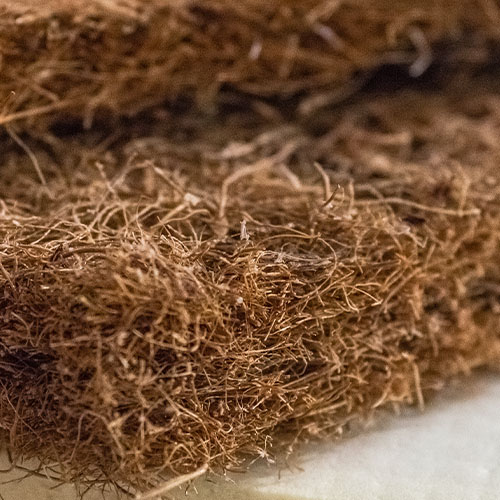
The substrate you choose plays a significant role in maintaining humidity and ensuring a healthy environment for your frogs. A well-chosen substrate also encourages the growth of beneficial microorganisms, helping to create a naturalistic and bioactive vivarium, which can further support the health of your frogs.
- Recommended types: Coconut fibre, sphagnum moss, or a mixture of both. These substrates help retain moisture while being soft on the frogs’ sensitive skin.
- Avoid: Gravel, sand, or other hard substrates as they can be abrasive to the frogs and do not hold humidity well.
3. Temperature and Humidity Control
Red-eyed tree frogs require a warm, humid environment to thrive. Monitoring and maintaining these parameters are essential for their well-being.
- Temperature range: Daytime temperatures should be between 24°C and 28°C (75°F to 82°F), while night time temperatures can drop to around 20°C to 23°C (68°F to 73°F).
- Heating tools: Use heat mats or ceramic heat emitters, placing them on the side of the enclosure rather than the bottom to avoid overheating the substrate.
- Humidity: These frogs require a humidity level of 60% to 80%. Mist the enclosure regularly, and use a hygrometer to ensure you’re maintaining the correct levels.
4. Lighting
Red-eyed tree frogs are nocturnal, so they do not need intense lighting. However, providing a day/night cycle is still important for their overall health.
- Lighting type: A low-wattage UVB light is beneficial for calcium absorption and overall health, though not strictly necessary if they receive calcium supplements in their diet. If you do use UVB, aim for a 2% or 5% UVB light.
- Photoperiod: Keep a consistent 12-hour day/night cycle. Use a timer to automate the lighting and ensure consistency.
Note: Avoid placing the lighting directly on the mesh, as it can overheat the terrarium.
5. Water Sources
Red-eyed tree frogs absorb water through their skin rather than drinking from a water dish, so providing clean, fresh water is vital for their hydration and health.
- Water dish: A shallow water dish should be placed in the terrarium to increase humidity and allow for soaking. The dish should be large enough for the frogs to comfortably sit in, but shallow enough to prevent accidental drowning.
- Water quality: Use dechlorinated or bottled water. Tap water can contain chlorine and other chemicals harmful to amphibians, so always treat it with a dechlorinator or allow it to sit for 24 hours to dissipate chemicals.
6. Plants and Climbing Structures
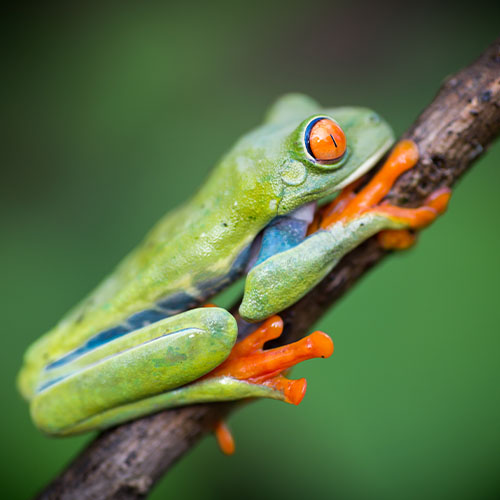
Being arboreal, red-eyed tree frogs need plenty of vertical space with branches, vines, and plants to climb on.
- Live plants: Not only do live plants improve the aesthetic appeal of the enclosure, but they also help maintain humidity and create a naturalistic environment. Popular choices include pothos, philodendron, and bromeliads.
- Artificial plants: If live plants aren’t practical for you, artificial plants can still provide necessary cover and climbing areas.
- Branches and vines: Include natural branches, cork bark, or vines to encourage natural climbing behaviour. Make sure they are sturdy enough to support the frogs’ weight and positioned throughout the height of the enclosure.
7. Dietary Supplies
Red-eyed tree frogs primarily eat insects, so you will need to provide a diet rich in protein and calcium.
- Food options: Their staple diet consists of gut-loaded crickets, which should be dusted with a calcium supplement twice a week and a multivitamin once a week. Other suitable insects include fruit flies, roaches, and mealworms in moderation.
- Gut-loading: Gut-loading refers to feeding the insects a nutritious diet before offering them to your frogs. This ensures your frogs are getting the necessary nutrients indirectly through their prey.
8. Calcium and Vitamin Supplements
To prevent metabolic bone disease and other deficiencies, red-eyed tree frogs require calcium and vitamin supplements.
- Calcium powder: Dust feeder insects with calcium powder twice weekly. Look for calcium supplements without vitamin D3 if you’re using a UVB light, and with D3 if you’re not.
- Multivitamins: A general amphibian multivitamin should be dusted onto feeder insects once a week to ensure the frogs are receiving all necessary nutrients.
9. Thermometers and Hygrometers
Maintaining the correct temperature and humidity is critical, and the only way to do this reliably is through the use of thermometers and hygrometers.
- Digital or analogue: Digital thermometers and hygrometers are more accurate and easier to read, but analogue versions can work in a pinch.
- Positioning: Place them both at different heights in the enclosure to monitor the gradient of temperature and humidity, ensuring that all levels of the vivarium are within the ideal range.
10. Misting System or Hand Mister
Maintaining high humidity is crucial for the health of red-eyed tree frogs, and regular misting is the best way to achieve this.
- Manual misting: A simple hand mister works fine if you are able to mist the terrarium 1-2 times per day. Ensure that the mist is fine, so the frogs aren’t overwhelmed with large water droplets.
- Automatic misting system: For a more convenient option, an automated misting system can be programmed to mist the enclosure several times a day, maintaining the humidity without manual intervention.
Bonus Tip: Bioactive Vivarium Setup
If you’re looking to create a more natural and self-sustaining environment for your red-eyed tree frogs, consider a bioactive vivarium. This setup includes live plants, beneficial insects, and a substrate that encourages the growth of beneficial bacteria and fungi.
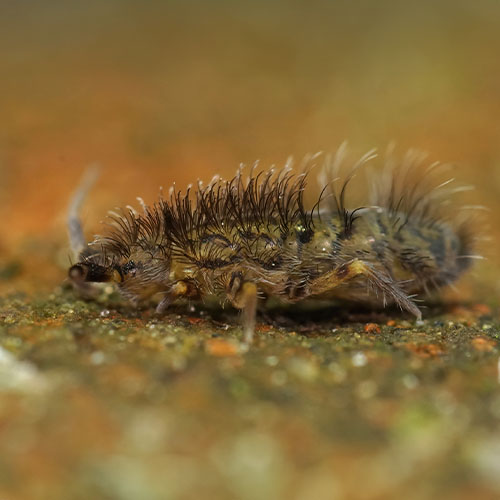
Clean-up crew: Introducing species like springtails and isopods helps break down organic waste, reducing the need for frequent cleaning and creating a healthier, more balanced ecosystem.
Lighting for plants: If using live plants, you may need a low-level grow light in addition to the standard UVB light to encourage healthy plant growth.
Keeping red-eyed tree frogs is a rewarding experience, but it requires careful attention to detail when it comes to their habitat, diet, and general care. From selecting the right terrarium to maintaining optimal humidity, the essentials outlined above are key to creating a thriving environment for these beautiful amphibians. With the proper setup and supplies, your red-eyed tree frogs can live a healthy, vibrant life in captivity.
References
Dugas, M.B., Strickler, S.A. & Stynoski, J.L. (2018). “Reproductive Strategies and Parental Care in Red-Eyed Tree Frogs.” Current Herpetology, 37(1), pp. 28-36.
Bartlett, R.D. & Bartlett, P. (2014). Red-Eyed Tree Frogs as Pets. Herpetocultural Guide, 18(3), pp. 123-145.
Savage, J.M. (2002). The Amphibians and Reptiles of Costa Rica: A Herpetofauna Between Two Continents, Between Two Seas. University of Chicago Press.
National Zoo. (n.d.). Care Sheet: Red-Eyed Tree Frog. Available at: National Zoo website.
Amphibian Care. (2023). “Feeding Red-Eyed Tree Frogs.” Amphibian Enthusiast, 7(2), pp. 65-70.
Exo Terra. (2021). “Red-Eyed Tree Frog: Captive Care Guide.” Herp Nation, 5(4), pp. 21-27.
Stein, L.J. & Phillips, D. (2019). “Naturalistic Vivarium Setup for Tree Frogs.” Zoo Med Laboratories, pp. 29-33.
Johnson, B.C. (2022). “Building Bioactive Terrariums for Amphibians.” Reptiles Magazine, 14(1), pp. 30-35.
AmphibiaWeb. (2023). Species Factsheet: Agalychnis callidryas. University of California, Berkeley.
Gray, R. (2017). “Health & Wellness of Tree Frogs.” Veterinary Herpetology, 4(5), pp. 52-61.