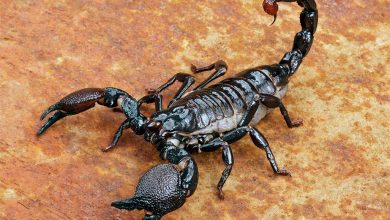
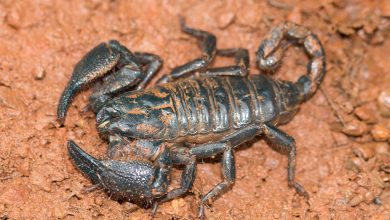
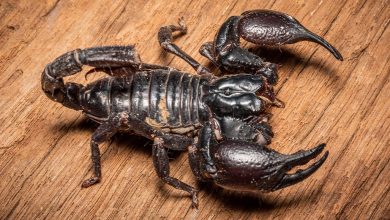
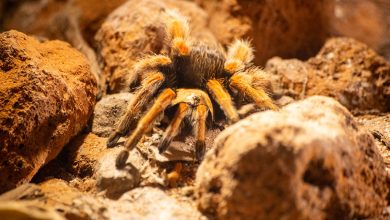
The emperor scorpion, scientifically known as Pandinus imperator, is one of the most popular scorpion species kept as a pet due to its size, docile nature, and striking appearance. Native to the tropical rainforests of West Africa, this species has captivated enthusiasts and researchers alike. This guide will cover the essential aspects of emperor scorpions, including their biology, habitat, behaviour, care requirements, and tips for keeping them as pets.

Introduction to the Emperor Scorpion
The emperor scorpion is the largest scorpion species, typically growing up to 8 inches (20 cm) in length. Its imposing size, coupled with its glossy black exoskeleton and large pincers, makes it an impressive creature. While many people associate scorpions with danger, the emperor scorpion is known for its relatively mild temperament, making it an ideal choice for beginners.
Distribution and Habitat
Emperor scorpions are native to the tropical rainforests and savannas of West Africa, including countries like Cameroon, Nigeria, and the Democratic Republic of Congo. They prefer humid environments and can often be found under rocks, in leaf litter, or burrowing in the soil.
Anatomy and Physiology
Physical Characteristics
Emperor scorpions possess distinct physical features that contribute to their unique appearance and functionality:
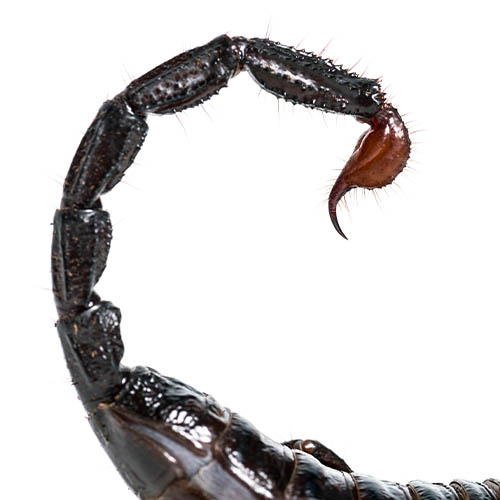
- Body Structure: Their body is divided into two main segments: the prosoma (cephalothorax) and the opisthosoma (abdomen). The prosoma houses the eyes, mouth, and legs, while the opisthosoma contains internal organs and ends with the tail that bears the stinger.
- Pincers (Chelae): The emperor scorpion has large, robust pincers that it uses for grasping prey and defending itself. These pincers are relatively powerful compared to their size, allowing them to capture a variety of prey.
- Stinger: Despite having a stinger, the venom of the emperor scorpion is relatively mild and not dangerous to humans. However, it can still cause pain and discomfort if a person is stung.
- Fluorescence: Like many scorpion species, emperor scorpions exhibit fluorescence under ultraviolet light, a phenomenon that is not entirely understood but may serve various ecological purposes.
Lifespan
In captivity, emperor scorpions can live for 8 to 10 years, with some reports of individuals living even longer under optimal conditions. Their long lifespan, combined with their manageable size and temperament, makes them popular among enthusiasts.
Behaviour and Ecology
Diet and Hunting
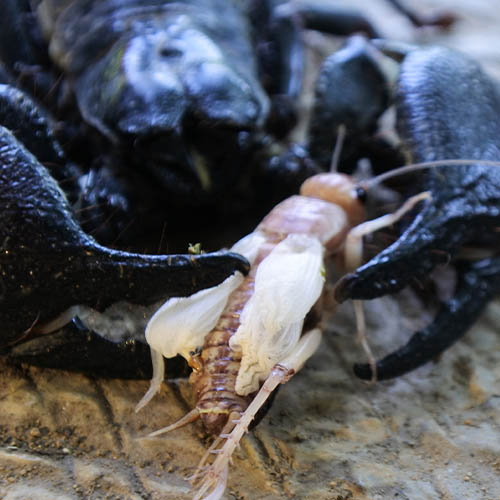
Emperor scorpions are carnivorous and primarily feed on insects, spiders, and other small invertebrates. In the wild, their diet consists of:
- Crickets: A staple food source for both wild and captive emperor scorpions.
- Locusts: A common prey item that provides essential nutrients.
- Roaches: Another common prey item that provides essential nutrients.
- Mealworms: These can be offered as a supplementary food source in captivity.
Scorpions use their pincers to catch and hold their prey, injecting venom to subdue it. They often prefer to hunt at night, displaying nocturnal behaviour.
Social Behaviour
Although emperor scorpions are generally solitary, they can exhibit social behaviour during mating. Males engage in courtship dances, where they grasp the female’s pincers and lead her in a circular motion to facilitate mating. Once mating is complete, the female carries the developing young inside her body until they are ready to emerge.
Role in Ecosystems
As both predators and prey, emperor scorpions play a vital role in their ecosystems. They help control insect populations, and their presence is an essential part of the food web. In turn, they serve as food for larger animals, such as birds and mammals.
Keeping Emperor Scorpions as Pets
Emperor scorpions are an excellent choice for beginner enthusiasts due to their docile nature and straightforward care requirements. Here are the key considerations for keeping them as pets.
Housing Requirements
Creating a suitable habitat for your emperor scorpion is crucial for its health and well-being:
- Enclosure: A glass or plastic terrarium with proper ventilation is essential. A 24 inch long enclosure (10 to 20-gallon tank) is typically sufficient for one or two emperor scorpions.
- Substrate: Use a suitable substrate, such as coconut coir, peat moss, or a mixture of both. A depth of at least 4 to 6 inches is ideal, allowing for burrowing behaviour.
- Humidity and Temperature: Emperor scorpions thrive in a humidity range of 70-80%. Maintain a temperature gradient of 24-29°C (75-85°F) within the enclosure. A heat mat or lamp can help create the necessary warmth, but ensure there are cooler areas for the scorpion to retreat to.
- Hiding Spots: Provide plenty of hiding spots using rocks, logs, and commercial decorations. This will give your scorpion a sense of security and encourage natural behaviour.
Diet and Feeding
Feeding your emperor scorpion a balanced diet is essential for its health. Here are some tips:
Prey Size: Offer prey that is appropriately sized for your scorpion, typically no larger than half its body length.
Feeding Schedule: Younger scorpions may require feeding every few days, while adults can be fed once a week.
Gut-loading: To ensure your scorpion receives adequate nutrition, gut-load the feeder insects by feeding them a nutritious diet before offering them to your scorpion.
Handling and Care
While emperor scorpions are generally calm, handling should be approached with caution:
- Handling Frequency: Limit handling to reduce stress on the scorpion. If you do handle it, do so gently and ensure you have a secure grip.
- Cleanliness: Regularly clean the enclosure by removing uneaten food and waste to maintain a healthy environment.
- Water: Provide fresh water in a shallow dish, as scorpions do not require much moisture.
Safety Considerations
Although emperor scorpions are not aggressive, it’s essential to treat them with respect:
- Stinging: Avoid provoking the scorpion, as it may sting if it feels threatened. A sting can cause pain and discomfort, so always exercise caution.
- Allergies: Some individuals may be allergic to scorpion venom, so be aware of any personal sensitivities.
Common Myths and Misconceptions
Despite their popularity, several myths about emperor scorpions persist:
- Myth 1: All Scorpions are Dangerous. While some species possess potent venom, emperor scorpions are relatively harmless to humans.
- Myth 2: Scorpions are Aggressive. Emperor scorpions are known for their docile nature and will often avoid confrontation if possible.
- Myth 3: They Require Extensive Care. While emperor scorpions need specific conditions, they are relatively easy to care for compared to other exotic pets.
The emperor scorpion is a captivating and manageable pet that can provide an exciting introduction to the world of scorpions. Understanding their biology, habitat, and care needs is crucial for ensuring their health and well-being in captivity. With proper care and attention, emperor scorpions can thrive in a home environment and offer enthusiasts a unique glimpse into the fascinating world of these ancient arachnids.
References
- G. P. J. (2021). The Fascinating World of Scorpions: A Comprehensive Guide. Ecological Press.
- G. C. M. (2019). The Care and Keeping of Scorpions: A Beginner’s Guide. Exo Terra Publishing.
- J. M. (2018). “Emperor Scorpions: Biology, Care, and Conservation.” Journal of Arachnology, 46(1), 12-22.
- T. R. (2020). Scorpions of the World: Diversity and Distribution. Natural History Press.
- K. E. H. (2017). “Understanding Scorpion Venom: Implications for Human Health.” Toxins, 9(6), 185-196.
- W. H. L. (2022). A Beginner’s Guide to Scorpion Care: Focus on the Emperor Scorpion. Terrarium Publishing.