Alpine Newts (Ichthyosaura alpestris) are small, semi-aquatic amphibians known for their vivid colours and intriguing life cycle. Originally native to central Europe, these charming creatures have gained popularity among herpetology enthusiasts due to their manageable care needs, docile nature, and striking appearance, particularly during the breeding season. This guide is designed to introduce beginners to the basic care and requirements of Alpine Newts, ensuring a healthy and enriching environment for them to thrive.
What are Alpine Newts?
Alpine Newts belong to the family Salamandridae, a group of tailed amphibians closely related to salamanders. They are medium-sized, typically reaching 8–12 cm (3.1–4.7 inches) in length. Males and females are sexually dimorphic, especially during the breeding season, with males exhibiting more vivid colours and a larger crest.
Native to mountainous regions across Europe, particularly in the Alps, Pyrenees, and Carpathians, they have been found at altitudes ranging from sea level to over 2,000 meters. Alpine Newts thrive in both aquatic and terrestrial environments, making them particularly adaptable and ideal for both outdoor and indoor vivariums.
Characteristics and Appearance
One of the most distinctive features of Alpine Newts is their coloration, particularly in males during breeding season. Outside of breeding season, both sexes typically exhibit a dark grey or black coloration on their back and sides with a white-spotted belly. During the breeding season, however, males develop vibrant blue or greenish colouring on their flanks with an orange belly, and sometimes a crest along their back.
Females, though typically less colourful, have more subdued blue tones, with a consistent orange underbelly. Their tails are long and slightly flattened, helping them swim efficiently in water.

Natural Habitat
Alpine Newts are semi-aquatic creatures, meaning they spend time both in water and on land. In the wild, they are often found in cool, still bodies of water such as ponds, lakes, and slow-moving streams, especially during the breeding season. Outside the breeding season, they inhabit damp terrestrial environments such as forests and meadows, taking shelter under logs, stones, and leaf litter.
These newts are cold-tolerant and often occupy habitats that may experience cold winters and mild summers. Their ability to hibernate through colder months makes them particularly hardy compared to other newt species. In captivity, recreating these cool, temperate environments is key to their health and well-being.
Setting up the Enclosure
Setting up the right environment for your Alpine Newt is crucial for their health and comfort. A proper enclosure should mimic their natural habitat, providing both aquatic and terrestrial areas. Here are some key factors to consider:
1. Tank Size and Type
For one or two Alpine Newts, a 60 cm (2-foot) tank is usually sufficient. However, if you intend to keep more newts, you will need a larger enclosure. A tank that allows for both water and land areas is ideal, as these newts will divide their time between the two. Aquariums, paludariums (combined land and water tanks), or bioactive vivariums work well.
2. Substrate
For the aquatic section, a smooth gravel or sand substrate is recommended. This substrate provides a natural look and prevents debris from settling on the tank’s bottom. For the terrestrial section, use a mixture of coconut coir, sphagnum moss, and soil, which retains moisture well without becoming waterlogged.
3. Water Quality and Filtration
Water quality is essential for Alpine Newts. You should aim to keep the water clean, cool, and well-oxygenated. A good filtration system, such as a sponge or small internal filter, will help maintain water quality, but be sure to avoid strong currents.
Regular water changes are also important to remove waste and toxins. Always use dechlorinated water to protect the newts from harmful chemicals.
4. Temperature
Alpine Newts prefer cool temperatures. The ideal range for the water should be 10–20°C (50–68°F), and they should never be kept in temperatures above 24°C (75°F) for extended periods. Keeping the enclosure away from direct sunlight and heat sources is important. In some cases, cooling devices like fans may be necessary, especially in warmer climates.
5. Lighting and UVB
While Alpine Newts do not require intense lighting or UVB radiation, some low-level lighting helps them maintain a natural day-night cycle, especially in an indoor setting. Full-spectrum fluorescent bulbs or LED lights are good options.
If you include live plants in the enclosure, ensure they receive enough light, as they can also help maintain healthy water parameters by absorbing waste.
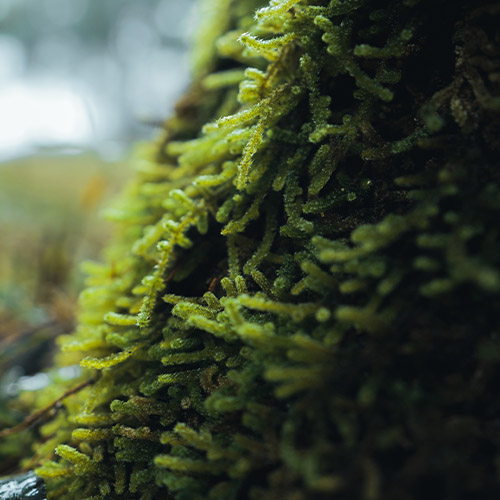
6. Hides and Decoration
Newts appreciate hiding spots, so add plenty of naturalistic decorations such as rocks, logs, caves, and plants. Aquatic plants like java moss, hornwort, or water ferns are great choices for the water area. Terrestrial plants such as ferns or mosses work well in the land section. These decorations not only give your newts places to hide but also help replicate their natural habitat.
Diet and Feeding
Alpine Newts are carnivorous and have a varied diet in the wild, consisting of small invertebrates such as worms, insects, crustaceans, and aquatic larvae. In captivity, you can feed them a variety of foods, ensuring a balanced and healthy diet.
1. Live Food
Live food is ideal for newts, as it stimulates their natural hunting behaviour. Earthworms, bloodworms, blackworms, and daphnia are all excellent choices. These can be fed in both aquatic and terrestrial environments, though many newts prefer to eat while in the water.
2. Frozen and Prepared Foods
Frozen foods such as bloodworms or brine shrimp are also suitable, provided they are properly thawed before feeding. These can be more convenient than live foods and are readily available at pet stores. High-quality amphibian pellets or small pieces of fish food can also be used occasionally.
3. Feeding Frequency
Newts should be fed 2-3 times a week, with younger or actively growing newts potentially requiring more frequent feeding. Be careful not to overfeed, as obesity can be an issue in captive newts.
Breeding
Breeding Alpine Newts in captivity can be a rewarding experience, but it requires careful preparation. In the wild, breeding typically occurs in early spring after hibernation, triggered by warmer temperatures and longer daylight hours. Replicating these conditions in captivity will encourage breeding behaviour.
1. Temperature Cycling
To encourage breeding, you can simulate winter hibernation by lowering the tank temperature to 5–10°C (41–50°F) for 2-3 months. Once the temperature is gradually raised, the newts will begin breeding activity. Ensure you have both males and females, as breeding will not occur without them being present together.
2. Courtship and Mating
During the breeding season, males will display elaborate courtship behaviours, such as waving their tail and displaying their bright colours. If successful, the female will deposit eggs on aquatic plants or other surfaces in the water.
3. Raising Larvae
Once the eggs are laid, they will hatch into larvae within 2-3 weeks. The larvae are fully aquatic and will require a separate, shallow tank with a gentle filter to prevent them from being sucked in. They should be fed small live foods, such as daphnia or baby brine shrimp, until they develop limbs and begin transitioning to land (a process known as metamorphosis). After metamorphosis, they can be gradually introduced to a more terrestrial environment.
Common Health Issues

While Alpine Newts are generally hardy animals, they are still susceptible to several common health issues. Regular observation and proper care can help prevent these problems.
1. Skin Infections
Newts can develop bacterial or fungal infections on their skin, often due to poor water quality or high temperatures. Symptoms include discoloration, ulcers, or shedding problems. Keeping the enclosure clean and maintaining proper water conditions can prevent most skin issues.
2. Obesity
Overfeeding is a common issue in captive newts. Monitor their diet closely and provide the correct portion sizes. An overweight newt may show signs of lethargy or bloating.
3. Parasites
Like many amphibians, Alpine Newts can sometimes carry parasites. Signs of parasitic infections include weight loss, poor appetite, or abnormal swimming behaviour. In severe cases, veterinary intervention may be necessary.
Hibernation
In their natural environment, Alpine Newts undergo a period of hibernation during the winter months. In captivity, this behaviour can be replicated, although it is not strictly necessary. However, hibernation can encourage healthier breeding and give your newts a natural cycle. To hibernate newts, gradually lower the temperature of their enclosure to around 5–10°C and reduce feeding. After 2-3 months, return the temperature to normal and resume regular feeding.
Handling
Alpine Newts are delicate creatures and should only be handled when necessary. Their skin is highly sensitive and can absorb harmful chemicals from your hands, so it’s best to handle them with clean, damp hands or using a soft net. Always handle newts gently and return them to their enclosure as soon as possible.
Legal Considerations
Before acquiring Alpine Newts, ensure you check local regulations, as some areas may have restrictions on keeping certain amphibians. Additionally, captive breeding is highly encouraged to reduce the demand for wild-caught specimens, which can negatively impact native populations.
Alpine Newts are fascinating and beautiful amphibians, perfect for those new to keeping amphibians or more experienced herpetologists. With the right care, they can thrive in captivity and bring a unique natural dynamic to your home. Whether you choose to create a detailed bioactive setup or simply enjoy watching their aquatic and terrestrial behaviours, Alpine Newts offer a rewarding experience for any beginner.
References
Griffiths, R.A. (1996). Newts and Salamanders of Europe. Academic Press.
Duellman, W.E. & Trueb, L. (1986). Biology of Amphibians. McGraw-Hill.
Arnold, E.N. & Ovenden, D.W. (2002). A Field Guide to the Reptiles and Amphibians of Britain and Europe. HarperCollins.
Kuzmin, S.L. (1999). The Amphibians of the Former Soviet Union. Pensoft Publishers.
Buckley, J. & Beebee, T.J.C. (2004). “Monitoring the Conservation Status of an Endangered Amphibian: The Natterjack Toad Bufo calamita in Britain.” Animal Conservation, 7(3), pp. 221-229.