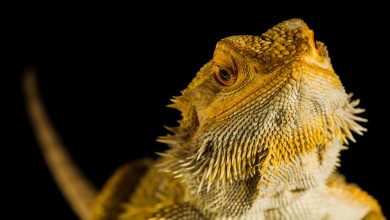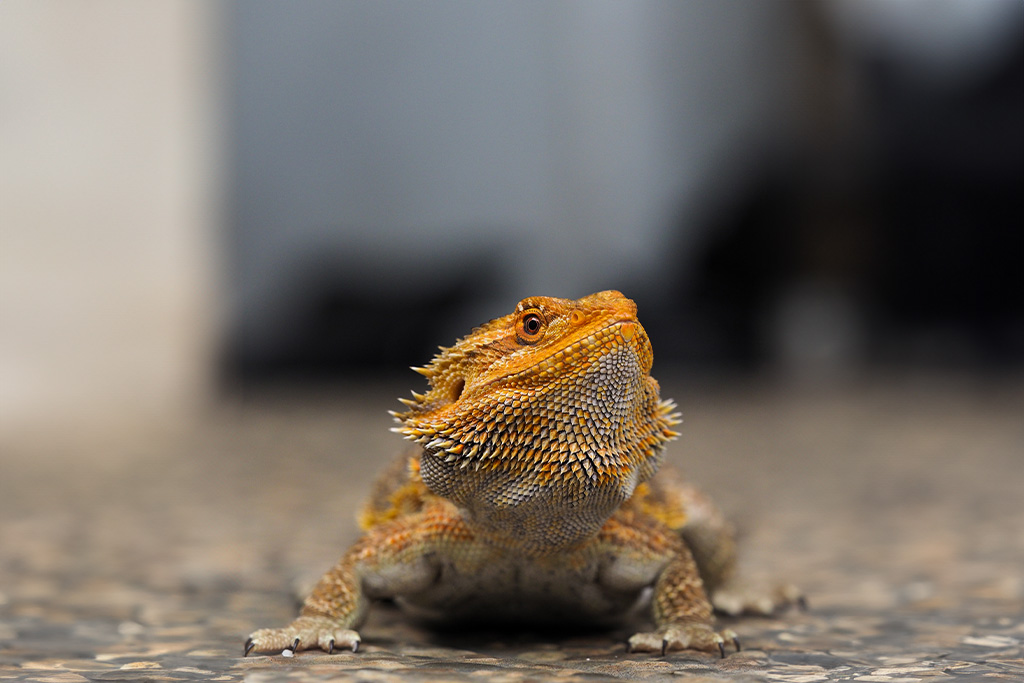
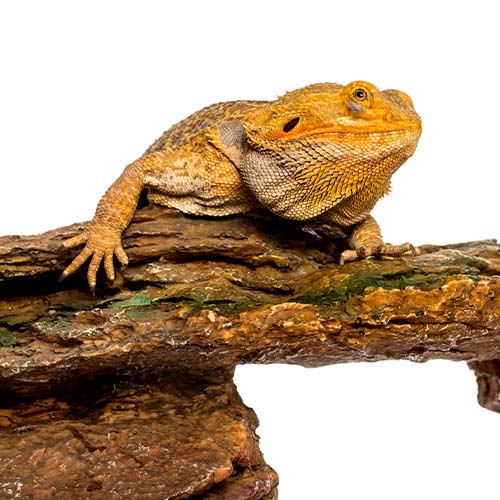
Bearded dragons (Pogona vitticeps) are one of the most popular reptiles kept as pets due to their docile nature, ease of care, and charming personalities. However, one of the most important aspects of bearded dragon care is providing the right substrate for their habitat. The substrate is the material that lines the bottom of your dragon’s enclosure, and its choice can significantly impact your pet’s health and well-being. In this guide, we’ll explore the best substrate options, the pros and cons of each, and how to maintain a clean and safe environment for your dragon.
Why Choosing the Right Substrate Matters
The right substrate plays a crucial role in the health of your bearded dragon, influencing factors such as:
- Comfort: The substrate should mimic the bearded dragon’s natural environment and provide a comfortable surface for them to move, bask, and burrow on.
- Hygiene: An easy-to-clean substrate is essential for maintaining a sanitary enclosure and preventing the build-up of harmful bacteria.
- Safety: Some substrates can pose risks, such as impaction, if accidentally ingested by your dragon.
- Heat Retention: The substrate can help with maintaining proper temperatures in the enclosure, aiding in thermoregulation, which is vital for your dragon’s metabolism and overall health.
When selecting a substrate, consider the age, size, and behaviour of your bearded dragon, as well as the ease of maintenance and any potential health risks.
Types of Substrates for Bearded Dragons
There are several substrate options available, and each has its own advantages and disadvantages. Below, we’ll review the most common types of substrates and their suitability for bearded dragons.
Newspaper or Paper Towels
Newspaper or paper towels are among the simplest and most inexpensive substrate options. While they may not be the most aesthetically pleasing, they are practical and easy to maintain.
Pros:
- Cheap and widely available: Newspaper and paper towels are easily accessible and cost-effective.
- Easy to clean: Soiled paper can be removed and replaced quickly, reducing the risk of bacterial build-up.
- Safe: There is no risk of impaction, as bearded dragons are unlikely to ingest these materials.
Cons:
- Aesthetic: Newspaper and paper towels don’t provide a natural look for your bearded dragon’s enclosure.
- Lack of enrichment: These substrates don’t allow for burrowing, which some dragons enjoy, especially juveniles.
Best for: Young or sick dragons, or as a temporary solution for quarantine or cleaning.
Reptile Carpet
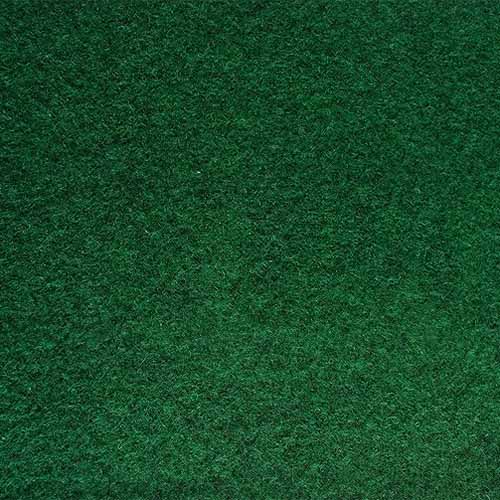
Reptile carpet is a soft, washable fabric designed for reptile enclosures. It is reusable and comes in various sizes and colours.
Pros:
- Reusable and eco-friendly: It can be washed and reused, making it a more sustainable option than paper-based substrates.
- Safe from impaction: Bearded dragons cannot ingest the carpet, eliminating the risk of impaction.
- Comfortable surface: The soft texture of the carpet provides a comfortable surface for your dragon to walk on.
Cons:
- Requires regular cleaning: Although reusable, reptile carpet requires frequent washing to prevent bacteria build-up.
- Can snag claws: Some bearded dragons may get their claws caught in the fabric, leading to injury.
- Limited enrichment: Like newspaper and paper towels, reptile carpet doesn’t provide much in the way of enrichment for your dragon.
Best for: Adult dragons in enclosures where aesthetics and comfort are important, but without the need for burrowing.
Tile (Ceramic, Slate, or Stone)
Tiles, especially ceramic or slate, are a popular choice for bearded dragon enclosures due to their ease of cleaning and natural appearance.
Pros:
- Easy to clean: Tiles can be wiped down or removed for washing, reducing the risk of bacterial growth.
- Durable and long-lasting: Tiles are a one-time investment that will last for the life of your dragon.
- Natural look: Slate and stone tiles give the enclosure a more natural appearance.
- Aids in nail trimming: The rough surface of slate or stone helps file down your dragon’s nails as they move around.
Cons:
- Requires cutting to fit: Depending on your enclosure’s size, you may need to cut the tiles to fit properly, which can be a challenge.
- No burrowing: Tiles are hard surfaces and do not allow for any burrowing behaviour.
- Heat retention: Tiles can become very warm under a heat lamp, which may be uncomfortable for your dragon if not properly monitored.
Best for: Adult dragons or owners looking for a low-maintenance, natural-looking substrate.
Sand (Calcium-Based and Play Sand)
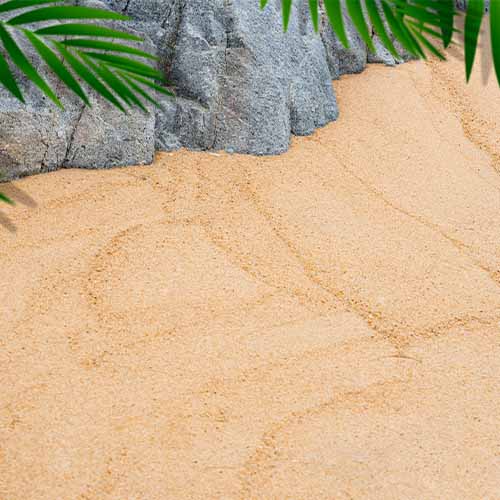
Sand is one of the most controversial substrates for bearded dragons. It mimics the desert environment, which is where these reptiles are naturally found. However, it also poses significant health risks.
Pros:
- Natural look: Sand gives the enclosure a natural, desert-like appearance.
- Allows for digging: Bearded dragons, particularly younger ones, enjoy burrowing in sand, which can provide mental stimulation and exercise.
Cons:
- Risk of impaction: Bearded dragons can ingest sand, either intentionally or accidentally, while hunting their food. This can lead to impaction, a potentially life-threatening condition where the digestive system becomes blocked.
- Difficult to clean: Sand needs to be spot-cleaned regularly and replaced frequently to prevent bacteria build-up.
- Calcium-based sand is particularly dangerous: Often marketed as safe, calcium-based sands are even more likely to lead to impaction due to their clumping nature.
Best for: Play sand is only recommended for adult dragons, and even then, extreme caution should be taken. Many experts advise against using plain sand substrate for bearded dragons.
Sand Soil Mix
Sand mixes are increasingly popular among keepers who what a naturalistic setup and provide an enriching substrate for their bearded dragon.
Pros:
- Natural look: Sand soil mix gives the enclosure a natural, desert-like appearance. Is the most accurate representations of their natural environment.
- Allows for digging: Bearded dragons, particularly younger ones, enjoy burrowing which can provide mental stimulation and exercise. The added soil adds a small amount of moisture and weight to the sand allowing better forming holes.
- Lower impaction risk: Although still a possibility if a large quantity is digested, the risk is decreased with a soil blend.
Cons:
- Risk of impaction: Bearded dragons can ingest sand, either intentionally or accidentally, while hunting their food. This is a risk with any small loose substrate.
- Difficult to clean: Sand needs to be spot-cleaned regularly and replaced frequently to prevent bacteria build-up.
Best for: For adult dragons, and even then be watchful. If too much is ingested whilst feeding it might be worth considering a non-loose substrate.
Excavator Clay
Excavator clay is a type of clay substrate that can be moulded into different shapes and forms. When dried, it hardens, allowing your bearded dragon to burrow and climb on structures you create.
Pros:
- Encourages natural behaviours: Dragons can dig and burrow in excavator clay, which helps replicate their natural environment.
- Customisable: You can shape and mould the clay into hills, caves, or other structures for your dragon to explore.
- Safe from impaction: Once hardened, the clay is solid, reducing the risk of ingestion.
Cons:
- Difficult to remove: Once hardened, the clay can be difficult to remove or adjust without significant effort.
- Messy: Excavator clay can be messy to work with, and setting it up requires time and preparation.
- Expensive: It can be pricier than other substrates and may need to be replaced over time as it degrades.
Best for: Adult dragons or owners who want to create a customisable, enriching environment and are willing to put in the effort to maintain it.
Coconut Coir (Coco Husk)
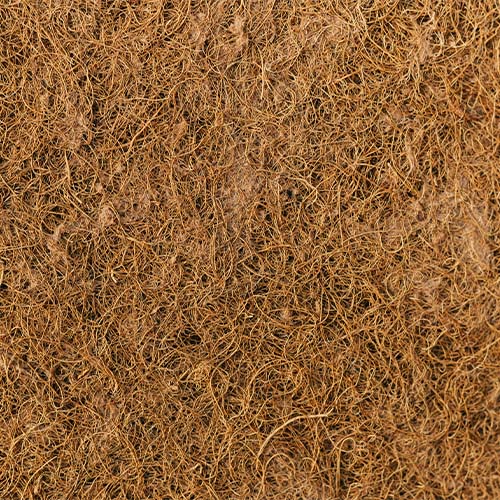
Coconut coir is made from the fibrous husks of coconuts. It’s often used in tropical reptile enclosures, but some bearded dragon owners use it as well.
Pros:
- Natural appearance: Like sand, coconut coir gives the enclosure a natural look.
- Holds moisture: This substrate is good at holding moisture, which can be useful in helping with shedding.
Cons:
- Humidity issues: Bearded dragons are desert animals, so too much humidity can lead to respiratory problems or skin infections. Coconut coir retains moisture, which can increase humidity levels in the enclosure.
- Risk of impaction: Like sand, coconut coir can be ingested accidentally and may lead to impaction.
Best for: Generally not recommended for bearded dragons due to its moisture retention properties, but it may be suitable in small amounts for juvenile dragons that need additional humidity during shedding.
Wood Chips and Bark
Wood-based substrates, such as aspen or cypress mulch, are often used in other reptile enclosures. However, they are not ideal for bearded dragons.
Pros:
- Natural appearance: Wood chips give the enclosure a forest-like, natural aesthetic.
Cons:
- Risk of impaction: Bearded dragons may accidentally ingest wood chips, leading to impaction.
- Sharp edges: Some wood chips can have sharp edges, which may injure your dragon.
- Mould growth: Wood-based substrates can absorb moisture, leading to the growth of mould or fungi, which can be harmful to your dragon’s health.
Best for: Wood chips and bark are generally not recommended for bearded dragons, as the risks outweigh the benefits.
Factors to Consider When Choosing a Substrate
When choosing the best substrate for your bearded dragon, consider the following factors:
- Age of the Dragon: Juvenile bearded dragons are more likely to ingest substrate while hunting their food, so it’s essential to choose a non-loose substrate like paper towels, newspaper, or tile until they are older.
- Health Conditions: If your dragon has a history of impaction or other digestive issues, a solid substrate like tile or reptile carpet is the safest option.
- Enrichment Needs: Some dragons enjoy burrowing and digging, so if you want to encourage natural behaviours, substrates like excavator clay or sand (with caution) may be more appropriate.
- Maintenance: How much time are you willing to spend on cleaning and maintaining the substrate? Some materials, like newspaper and tile, are easy to clean, while others, like sand and clay, require more upkeep.
- Safety: Above all, the safety of your bearded dragon should be the top priority. Avoid substrates that pose a high risk of impaction or injury.
Choosing the right substrate for your bearded dragon’s enclosure is one of the most important decisions you’ll make as a pet owner. While there are many options available, each comes with its own set of pros and cons. For young or sick dragons, newspaper or paper towels are the safest and most practical choice. For adult dragons, tiles, reptile carpet, sand soil mixes or excavator clay provide a good balance between aesthetics, enrichment, and safety. Loose substrates like pure sand and coconut coir should be used with extreme caution, and calcium-based sand should be avoided altogether.
Ultimately, the best substrate is one that keeps your bearded dragon safe, healthy, and comfortable, while also being easy to maintain. By understanding the risks and benefits of each option, you can make an informed decision that will keep your pet happy and thriving.
References
Wilde, R. (2020). Impaction in Bearded Dragons: Causes, Symptoms, and Prevention. Exotic Pet Medicine Journal.
Bearded Dragon Care Guide: Choosing the Best Substrate. (n.d.). ReptileAdvisor.com.
Bauer, A. (2021). The Complete Bearded Dragon Manual. Reptile Care Series.
Holmes, J. (2019). Substrate Safety for Bearded Dragons: A Comprehensive Review. Reptile Enthusiast Magazine.
Smith, T. (2022). Best Substrates for Bearded Dragons: Safety and Practicality. Herpetology Today.