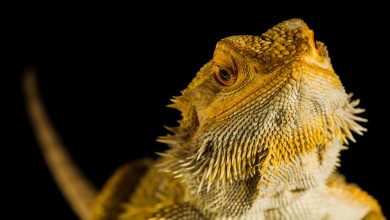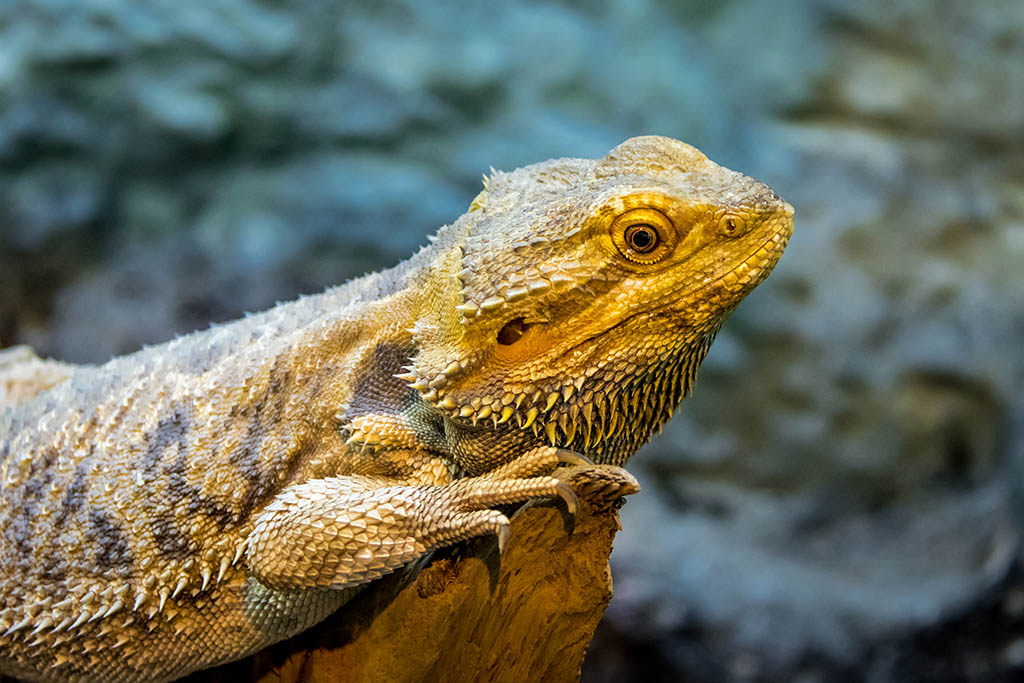
Bearded dragons (Pogona species) are among the most popular reptiles kept as pets, known for their docile nature, fascinating behaviours, and easy care requirements. However, providing the correct enclosure is crucial to their health and happiness. Selecting an enclosure goes beyond simply buying a cage; it involves understanding the specific needs of bearded dragons in terms of space, heating, lighting, and substrate. In this guide, we’ll walk you through the key considerations to ensure your bearded dragon has the perfect home.
Understanding Bearded Dragons’ Natural Habitat
Bearded dragons originate from the arid, desert regions of Australia. They are primarily found in semi-desert environments with sparse vegetation, rocky outcrops, and plenty of sunlight. Their natural habitat is hot during the day and cool at night, with UVB radiation playing a crucial role in their overall well-being. Understanding these environmental factors will help you replicate their ideal habitat in captivity.
Choosing the Right Size Enclosure
The size of the enclosure is one of the most important factors to consider when housing a bearded dragon. The enclosure should be large enough to allow your dragon to move around, bask, and explore.
Juveniles (0-6 months): For young bearded dragons, a 2ft vivarium is adequate. However, they grow rapidly, so you will need to upgrade the enclosure very quickly and starting with at least a 3ft is recommended.
Sub-Adults (6-12 months): At this stage, a 3ft vivarium is a suitable size. This gives them space to explore while allowing for temperature gradients.
Adults (12+ months): Adult bearded dragons need a minimum of a 4ft long vivarium, though larger is always better. For optimal comfort, a 4ft x 2ft x 2ft (120cm x 60cm x 60cm) enclosure is generally recommended.
Key Considerations for Size:
- Bearded dragons are terrestrial animals, so they require more floor space than height.
- Enclosures that are too small can lead to stress and health issues.
- Bigger tanks also make it easier to maintain proper temperature gradients, which we’ll discuss next.
Material Options for Enclosures
Bearded dragon enclosures can be made from several different materials. Each has its pros and cons, depending on your budget, space, and aesthetic preferences.
Glass Tanks
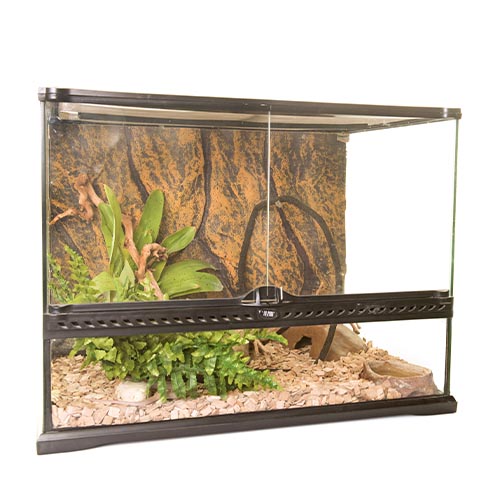
Glass tanks are one of the most common types of enclosures for bearded dragons in the US. They provide good visibility, which allows you to observe your dragon’s behaviour easily but have poor heat retention.
Pros:
- Great visibility.
- Readily available in various sizes.
- Durable.
Cons:
- Can be heavy, especially in larger sizes.
- Glass doesn’t retain heat well, so you may need additional heating sources.
- Less insulation can lead to a struggle in maintaining stable temperatures.
Wooden Vivariums
Wooden vivariums are popular in the UK because they are excellent at retaining heat, making them a good option for colder climates or homes with fluctuating temperatures.
Pros:
- Retains heat well.
- Can be customised to fit your space.
- Provides a more natural look.
Cons:
- Limited visibility (unless they have glass panels).
- More prone to humidity damage if not properly sealed.
- Heavier than glass tanks.
PVC or Plastic Enclosures
PVC and plastic enclosures are becoming increasingly popular due to their durability and light weight.
Pros:
- Lightweight and easy to clean.
- Retain heat well.
Customisable and long-lasting.
Cons:
- Can be more expensive upfront.
- May not be as visually appealing as glass enclosures.
Temperature and Heating
Bearded dragons are cold-blooded animals that rely on their environment to regulate their body temperature. In their natural habitat, they bask in the sun to warm up and retreat to shaded areas to cool down. Therefore, it is essential to create a temperature gradient in their enclosure to mimic these natural behaviours.
Basking Spot: Bearded dragons require a basking spot where temperatures should range between 35°C – 43°C (95°F and 110°F) for adults and slightly higher for juveniles.
Cool Side: On the cool side of the enclosure, temperatures should be between 24°C – 29°C (75°F and 85°F). This allows your dragon to regulate its temperature effectively by moving between warmer and cooler areas.
Night-time Temperatures: At night, the temperature can drop to between 18°C – 24°C( 65°F and 75°F). If your house gets colder than this, you may need to provide a ceramic heat emitter or a reptile heat mat that doesn’t emit light.
Heating Equipment:
Basking lamps: A good quality basking lamp is essential for providing the intense heat needed in the basking area.
Ceramic heat emitters: These are ideal for night-time heating as they provide heat without light.
Heat mats: These can be used if additional under-tank heating is needed, though they are less common for bearded dragons.
Always monitor the temperatures in your enclosure with thermometers placed at both the warm and cool ends. A thermostat connected to your heating equipment can help maintain consistent temperatures and prevent overheating.
Lighting: UVB and UVA
One of the most critical aspects of your bearded dragon’s enclosure is lighting, especially UVB radiation. Without proper lighting, bearded dragons can develop severe health issues like metabolic bone disease (MBD).
UVB Light:
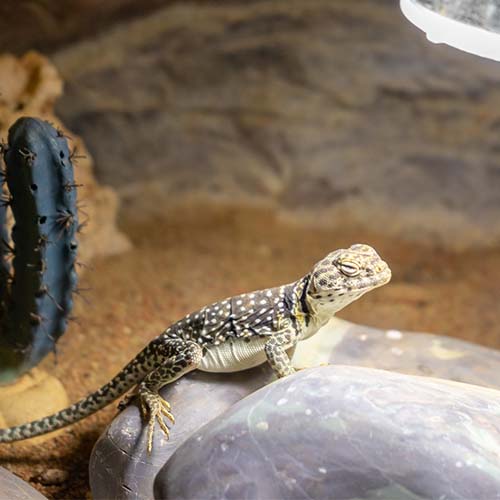
Bearded dragons need access to UVB light for 10-12 hours a day. This should be at least a 10% or 10.0 but 12-14% is more suitable. This helps them synthesise vitamin D3, which is essential for calcium absorption.
Without adequate UVB, your dragon can suffer from MBD, which weakens their bones and can be fatal.
The UVB bulb should cover the length of the enclosure to ensure your dragon gets exposure no matter where they are. Replace UVB bulbs every 6-12 months, as their effectiveness diminishes over time, even if they still emit light.
UVA Light:
Bearded dragons also benefit from UVA light, which helps stimulate natural behaviours like feeding, breeding, and movement. Most basking bulbs emit UVA, so if you’re using a basking light, your dragon will likely receive sufficient UVA.
Bulb Types:
Fluorescent tubes: These are ideal for providing UVB across a broad area. T5 and T8 bulbs are commonly used in bearded dragon enclosures.
Mercury vapour bulbs: These provide both UVB and heat, making them convenient, though they are usually more powerful and suited to larger enclosures.
Substrate Selection
The substrate is the material placed at the bottom of the enclosure. It’s important to choose a substrate that is safe and easy to clean, as the wrong choice could lead to health problems, particularly impaction.
Best Substrate Options
Reptile carpet: A safe and easy-to-clean option that reduces the risk of impaction.
Paper towels/newspaper: Simple and safe, especially for juveniles, though not the most aesthetically pleasing.
Tile or slate: Provides a natural look and is easy to clean. It also helps wear down your dragon’s nails.
Sand soil mix: These are readily available and are the most like the bearded dragons natural environment. Lower risk of impaction but still carries some risk.
Substrates to Avoid
Pure Sand: While some argue that fine, sifted sand can be used, there is still a significant risk of impaction if your dragon ingests it. For younger dragons, sand should be avoided altogether.
Wood chips or bark: These can harbour bacteria and pose a choking hazard.
Calcium sand: Despite being marketed as safe for reptiles, calcium sand is known to cause impaction and other health issues.
Decor and Enrichment
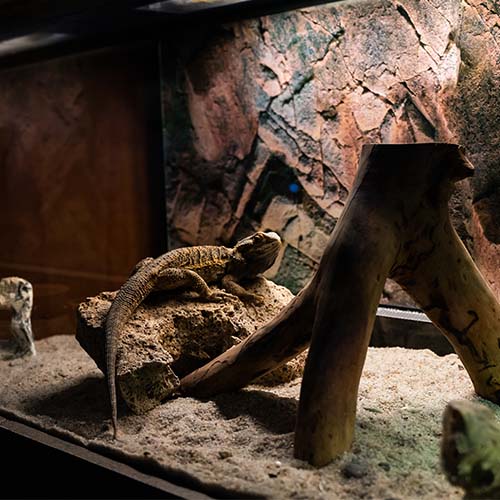
Adding decor to your bearded dragon’s enclosure not only makes it visually appealing but also provides enrichment and hiding spots for your pet.
Basking Platforms: Bearded dragons need a platform or raised area to bask. This can be a branch, rock, or specially designed basking platform.
Hides: Your dragon will need a place to hide and feel secure. Include at least one hide on the cool side of the enclosure, but a second on the warm side is ideal.
Climbing Branches and Rocks: Bearded dragons are semi-arboreal and enjoy climbing. Branches, rocks, and logs provide exercise and enrichment.
Artificial or Real Plants: While live plants can be challenging to maintain in a dry, hot environment, artificial plants can offer aesthetic value and hiding spots. Ensure any plants used are non-toxic.
Cleaning and Maintenance
Keeping your bearded dragon’s enclosure clean is vital for their health. A dirty enclosure can lead to bacterial and fungal infections, respiratory issues, and stress.
Daily spot cleaning: Remove uneaten food, faeces, and other debris daily.
Weekly cleaning: Change the water, clean the food dishes, and disinfect surfaces.
Monthly deep clean: Every month, remove all decor, substrate, and accessories. Clean the enclosure thoroughly with a reptile-safe disinfectant.
Creating the right enclosure for your bearded dragon is a crucial part of keeping them healthy and happy. It’s important to provide them with enough space, proper heating and lighting, safe substrate, and opportunities for enrichment. By understanding their natural habitat and replicating it as closely as possible in captivity, you’ll ensure your dragon thrives for years to come.
Remember, each dragon may have slightly different needs depending on their age, health, and environment, so always monitor your pet closely and adjust their enclosure accordingly. With the right setup, your bearded dragon can enjoy a long, healthy life in a safe and enriching environment.
References
The British Bearded Dragon Society. (n.d.). beardeddragon.org.
Reptile Centre UK. (n.d.). Bearded Dragon Care Sheet. reptilecentre.com.
Bearded Dragon Care Guide. (n.d.). “Lighting and Heating”. beardeddragonguru.com.
Reptiles Magazine. (n.d.). Choosing the Right Enclosure for Your Reptile. reptilesmagazine.com