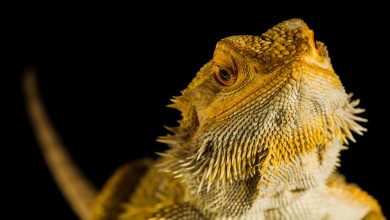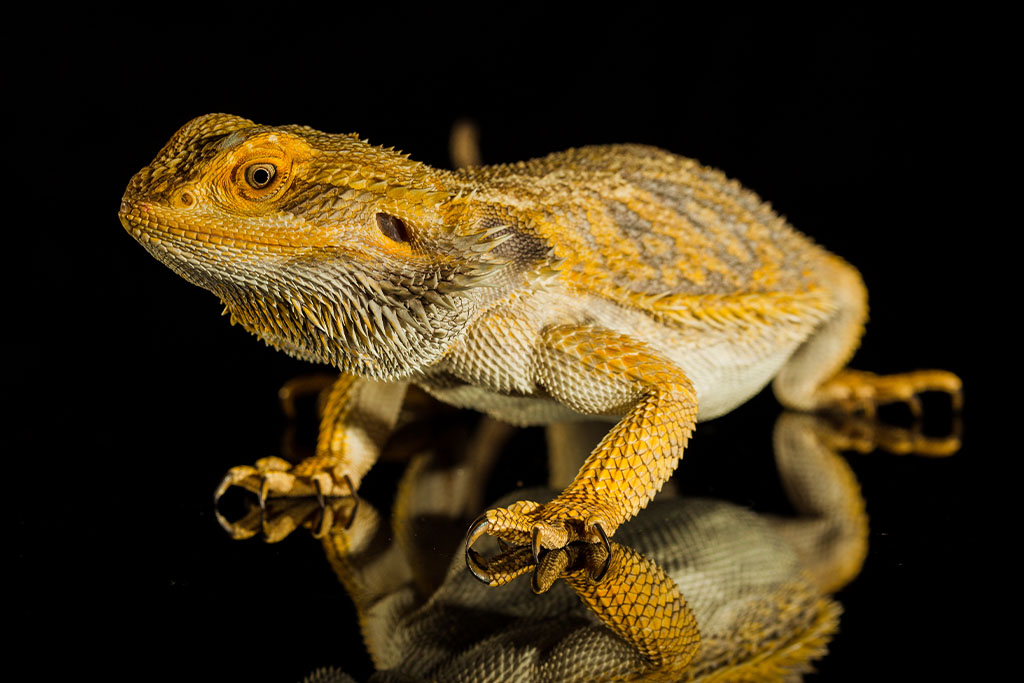
Bearded dragons, scientifically known as Pogona vitticeps, are one of the most popular reptiles kept as pets due to their friendly nature and unique appearance. However, proper care is essential to ensure their well-being, and a crucial aspect of their care is maintaining the right heating environment. This guide will delve into the importance of temperature regulation for bearded dragons, the types of heating equipment available, and best practices for creating an ideal habitat.
Importance of Temperature Regulation
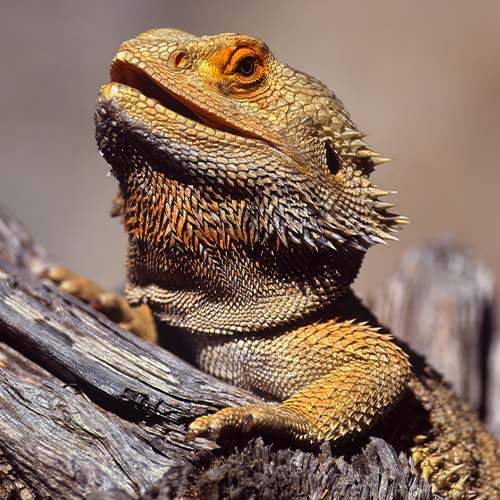
Bearded dragons are ectothermic, meaning they rely on external sources of heat to regulate their body temperature. In their natural habitat, they bask in the sun to absorb warmth, which is vital for their metabolic processes. If kept in an environment that is too cold or too hot, bearded dragons can experience various health issues, including:
- Impaired Digestion: Bearded dragons require specific temperatures to digest their food effectively. If the habitat is too cold, they may suffer from metabolic problems.
- Stress: Incorrect temperatures can lead to stress, making them more susceptible to illness.
- Brumation Issues: Just as some animals hibernate, bearded dragons undergo a period of brumation during colder months. If their environment is not adequately heated, they may become lethargic and refuse to eat.
- Health Complications: Extreme temperatures can lead to conditions like respiratory infections, burns, or even death.
To avoid these issues, it’s essential to understand the temperature requirements of bearded dragons and how to maintain these conditions within their habitat.
Ideal Temperature Ranges
Bearded dragons thrive in specific temperature ranges, which can be divided into three zones within their habitat: the basking area, the cool side, and the ambient temperature.
Basking Area
- Temperature Range: 35-40°C (95-104°F)
The basking area is the most crucial zone in a bearded dragon’s habitat. Here, they can absorb the heat needed to elevate their body temperature. This zone should be created using heat lamps or basking bulbs, which provide direct heat and light.
Cool Side
- Temperature Range: 22-26°C (72-78°F)
The cool side of the enclosure allows the dragon to escape the heat and regulate its body temperature. This area should be cooler than the basking zone, providing a gradient that allows the dragon to move freely between temperatures.
Ambient Temperature
- Temperature Range: 24-29°C (75-85°F)
The ambient temperature refers to the general temperature of the enclosure. It should be consistent throughout, ensuring that the dragon feels comfortable and safe.
Types of Heating Equipment
Creating the right temperature gradient requires appropriate heating equipment. Here are the most common types of heating sources for bearded dragons:
Basking Lamps
Basking lamps are essential for creating the hot basking area. These lamps emit both heat and light, mimicking the sun’s natural rays. There are two main types of basking lamps:
- Incandescent Bulbs: These provide a focused heat source and are widely used due to their affordability and availability. They should be placed 30-40 cm (12-16 inches) above the basking spot.
- Mercury Vapour Bulbs: These bulbs combine UVB light with heat, offering both light and warmth in one source. They are more expensive but can be very effective in providing the necessary conditions.
Heat Mats and Pads
Heat mats are placed underneath the enclosure to provide consistent warmth from below. While they can be beneficial for maintaining ambient temperatures, they should not be used as the primary heat source. Instead, they should supplement basking lamps. These must always be used in combination with a thermostat to prevent overheating.
Ceramic Heat Emitters
Ceramic heat emitters (CHEs) are another option for providing heat. They emit infrared heat without light, making them ideal for nighttime use when bearded dragons require warmth but not additional light. They can be particularly useful during colder months or in colder climates.
UVB Lighting
While not a direct heat source, UVB lighting is essential for the overall health of bearded dragons. UVB rays help them synthesise vitamin D3, which is crucial for calcium absorption and preventing metabolic bone disease. A good UVB light, 10% or ideally a 12%, should be placed within the enclosure, ideally over the basking area, and replaced every 6-12 months, as their effectiveness diminishes over time.
Setting Up the Enclosure
Creating the ideal heating environment requires proper setup of the enclosure. Here are steps to follow:
Choose the Right Size Enclosure
Bearded dragons require sufficient space to move and thermoregulate. A suitable enclosure for an adult bearded dragon is at least 120 cm (48 inches) long, 60 cm (24 inches) wide, and 60 cm (24 inches) high.
Create a Temperature Gradient
- Cool Side: Place the cool side of the enclosure away from the basking area. This area should have a lower temperature, ideally between 22-26°C (72-78°F). A thermometer placed here will help you monitor the temperature accurately.
- Basking Area: Install the basking lamp at one end of the enclosure. Use a thermometer to ensure that the basking surface reaches 35-40°C (95-104°F). You can achieve this by using a clamp lamp or a light fixture that can be adjusted for height.
Install Heat Sources
- Basking Lamp: Position your basking lamp 30-40 cm (12-16 inches) above the basking spot. Make sure to use a dimmer switch if needed to regulate the temperature.
- Heat Mat: If you choose to use a heat mat, place it on the bottom of the enclosure, covering about one-third of the space. Ensure it is securely attached and cannot be moved.
- Ceramic Heat Emitter: If you opt for a CHE, position it at the opposite end of the basking lamp to provide a constant source of heat during the night.
Monitor the Temperature
Investing in a reliable thermometer is essential for monitoring temperatures within the enclosure. Digital thermometers with probes can provide accurate readings. Place one thermometer in the basking area and another in the cool side to ensure that the temperature gradient is maintained.
Maintain Humidity Levels
While bearded dragons require specific temperature ranges, it’s also essential to monitor humidity levels. Ideally, humidity should be maintained between 30-40%. This can be achieved through proper ventilation and avoiding over-watering of substrate.
Seasonal Considerations
Heating needs may vary depending on the season and the local climate. During the colder months, additional heating sources may be required. Here are some considerations:
- Winter Months: Ensure that basking and ambient temperatures remain within the ideal range. If necessary, supplement with additional heating sources.
- Brumation Period: If your bearded dragon enters brumation, you may need to adjust temperatures to a lower range to facilitate this natural process. Monitor them closely and ensure they still have access to a warm area if they choose to bask.
Best Practices for Heating Bearded Dragons
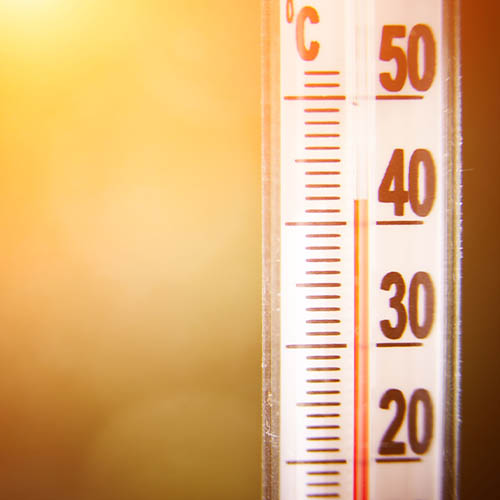
- Regularly Check Temperatures: Make it a habit to check temperatures daily to ensure they remain within the ideal range. Adjust heat sources as needed.
- Use Multiple Heat Sources: Combining basking lamps, heat mats, and ceramic heat emitters can help maintain a stable environment and prevent temperature fluctuations.
- Avoid Overheating: Be cautious with the wattage of heat sources, as overheating can lead to burns or heat stress. Always provide a cooler area for your dragon to retreat to.
- Create Hiding Spots: Provide hiding spots in the enclosure to help your bearded dragon feel secure and comfortable. This will also allow them to thermoregulate more effectively.
- Maintain Cleanliness: Regularly clean the enclosure and replace substrate to prevent bacteria and mould growth, which can affect your dragon’s health.
Creating and maintaining the correct heating environment for your bearded dragon is crucial for its health and well-being. By understanding their temperature requirements, choosing the right heating equipment, and setting up the enclosure properly, you can ensure your bearded dragon thrives in a comfortable and safe habitat. Remember to monitor temperatures regularly, provide a gradient for thermoregulation, and be attentive to seasonal changes in heating needs.
By following this guide, you’ll be well-equipped to provide the best care for your bearded dragon, ensuring it remains a happy and healthy companion for years to come.
References
Bearded Dragon Care Guide. (n.d.). PetSmart.
Reptile Basics – Bearded Dragon Care. (n.d.). Reptile Basics.
Keeping Bearded Dragons. (n.d.). The Spruce Pets.
Bearded Dragon Heating and Lighting. (n.d.). Bearded Dragon Care.
Bearded Dragon Habitat Setup. (2023). Reptile Magazine.
UVB Lighting for Bearded Dragons. (n.d.). Exo Terra.
Temperature and Humidity in Bearded Dragons. (2023). Reptiles & Aquariums.