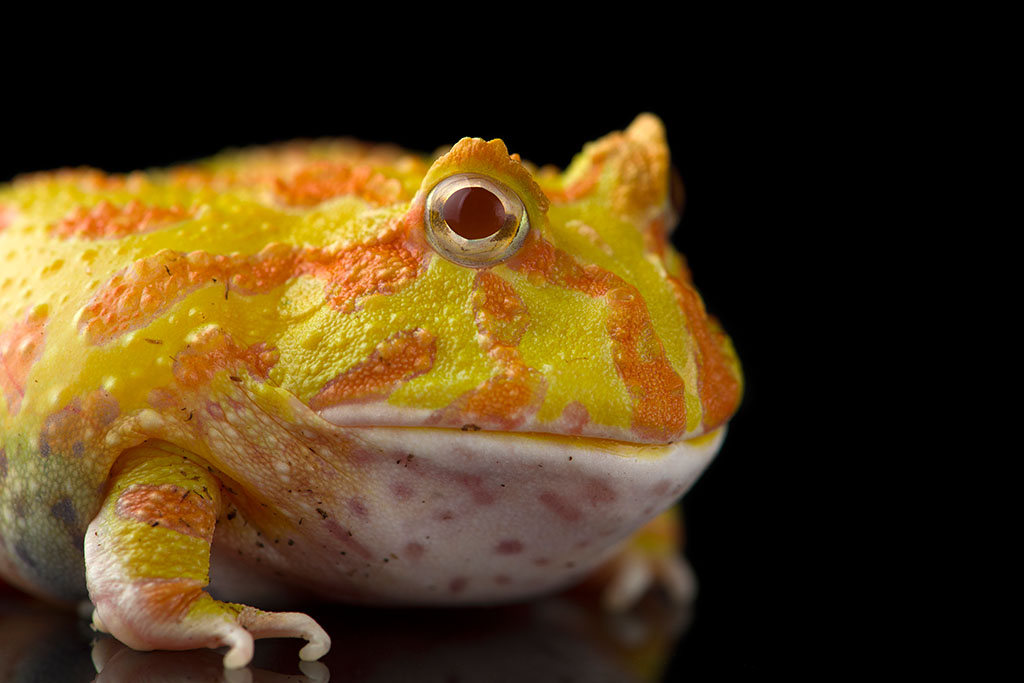
Pacman frogs, known for their distinctive round bodies and large mouths, have gained popularity among reptile enthusiasts and beginners alike. Their fascinating behaviour, vibrant colours, and relatively easy care make them an appealing choice for pet owners. However, ensuring that they thrive requires proper supplies and equipment. This article outlines the top ten essential supplies for Pacman frogs, highlighting their importance in creating a suitable habitat and ensuring the health and wellbeing of these unique amphibians.
Enclosure
The first and foremost requirement for a Pacman frog is a suitable enclosure. A glass terrarium or a plastic reptile habitat is ideal, as these materials allow for easy cleaning and visibility.
Size
Pacman frogs can grow up to 6 inches (15 cm) in length, so a minimum enclosure size of 75 litres (20 gallons) is recommended. The terrarium should provide ample floor space rather than height, as these frogs are terrestrial and prefer to stay close to the ground.
Ventilation
Ensure that the enclosure has proper ventilation to prevent stagnant air, which can lead to respiratory issues. Screened tops are beneficial, allowing for airflow while preventing escapes.
Substrate
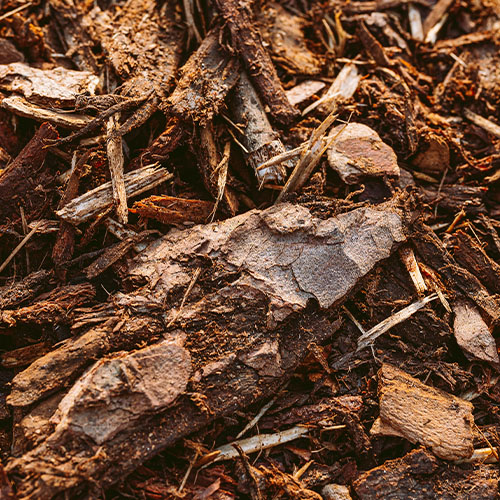
Choosing the right substrate is crucial for your Pacman frog’s environment. Substrates should be non-toxic, easy to clean, and capable of retaining moisture.
Recommended Substrates
- Coconut Fibre: This natural substrate helps maintain humidity levels and is soft for your frog’s delicate skin.
- Pre-packed Reptile Soil: Safe mix of soil and other parts such as coco coir.
- Orchid Bark or Cypress Mulch: An excellent option for humidity retention, it mimics the natural forest floor.
- Organic Soil: Ensure it is free from pesticides and chemicals, providing a natural feel for your pet.
Depth
A substrate depth of 2 to 3 inches (5 to 7.5 cm) is ideal, allowing your frog to burrow if it chooses.
Water Dish
Pacman frogs require access to clean water at all times. A shallow water dish should be provided for hydration and soaking.
Considerations
- Size: The dish should be large enough for the frog to sit in but shallow enough to prevent drowning.
- Material: Choose a non-porous, easy-to-clean material, such as ceramic or plastic.
- Frequency of Cleaning: Change the water daily to prevent bacterial growth.
Heating and Lighting
While Pacman frogs do not require extensive lighting, maintaining an appropriate temperature is vital for their health.

Temperature Range
A temperature range of 24°C to 27°C (75°F to 80°F) is ideal for Pacman frogs.
Heating Options
Under-Tank Heaters, such as heat mats: These can be placed underneath one side of the enclosure to create a temperature gradient, allowing the frog to move between warmer and cooler areas.
Thermostat: It’s crucial to use a thermostat to monitor and regulate the temperature, ensuring it does not exceed 29°C (85°F).
Lighting
- Day/Night Cycle: A low-wattage bulb can provide a natural day/night cycle but should not create excessive heat. A 12-hour light/dark cycle is recommended.
Humidity Control
Maintaining appropriate humidity levels is crucial for the health of Pacman frogs. They thrive in environments with humidity levels of 60% to 80%.
Humidity Measurement
- Hygrometer: Invest in a reliable hygrometer to monitor humidity levels within the enclosure accurately.
Humidity Maintenance
- Mist the Enclosure: Lightly mist the enclosure with dechlorinated water daily.
- Water Bowl: The presence of a water dish also aids in maintaining humidity levels.
Hiding Spots and Decor
Pacman frogs are naturally reclusive and benefit from hiding spots in their enclosure. Providing décor not only enriches their environment but also helps reduce stress.
Recommended Hiding Spots
- Caves and Tunnels: Store-bought reptile hides can provide excellent hiding spaces.
- Plants: Live or artificial plants can create a natural feel while offering cover. Ensure that any plants used are non-toxic.
Arrangement
- Layout: Position hiding spots in different areas of the enclosure to allow the frog to choose where it feels most comfortable.
Feeding Supplies
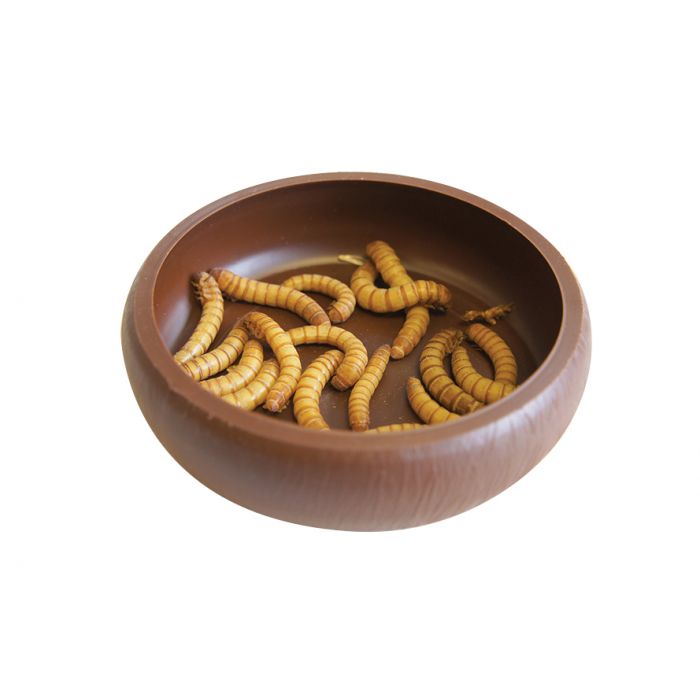
Feeding Pacman frogs correctly is essential for their health and wellbeing. They are carnivorous and primarily eat insects and small rodents.
Feeding Equipment
- Feeding Tongs: Using feeding tongs prevents injury to the frog and allows you to place food directly in front of it.
- Food Dish: A shallow dish can help keep the enclosure clean during feeding, though some owners prefer to feed directly in the substrate.
Food Options
- Live Food: Crickets, locusts, mealworms, and superworms are common dietary staples.
- Frozen/Thawed Rodents: Larger frogs can be fed appropriately-sized frozen or thawed pinky mice.
Vitamins and Supplements
Proper nutrition is vital, and offering vitamins and supplements ensures that your Pacman frog receives all necessary nutrients.
Types of Supplements
- Calcium Powder: Dust insects with calcium powder at least twice a week to prevent metabolic bone disease.
- Multivitamin Supplements: Use a reptile multivitamin powder to ensure a balanced diet.
Feeding Schedule
A feeding schedule of every 2 to 3 days is recommended for juvenile frogs, while adults may be fed once a week, depending on their size and appetite.
Cleaning Supplies
Maintaining a clean environment is essential for the health of your Pacman frog.
Recommended Cleaning Supplies
- Sponge and Scrub Brush: Use non-toxic cleaners or warm water to clean the enclosure.
- Disinfectant: A reptile-safe disinfectant can help eliminate bacteria and parasites during deep cleanings.
Cleaning Routine
- Regular Spot Cleaning: Remove waste and uneaten food daily.
- Deep Cleaning: Perform a thorough cleaning of the enclosure every month or as needed.
Health Monitoring Supplies
Monitoring your Pacman frog’s health is crucial for early detection of any issues.
Recommended Supplies
- Thermometer: A digital thermometer allows you to accurately monitor the temperature in the enclosure.
- Scale: Weighing your frog regularly helps monitor its health and weight changes, which can indicate potential health issues.
Observation
Regularly observe your frog for any changes in behaviour, appetite, or physical appearance, as these can be signs of health problems.
Creating a suitable habitat for a Pacman frog involves careful consideration of its needs and requirements. By providing the essential supplies outlined in this article, you can ensure that your Pacman frog thrives in a comfortable and healthy environment. Remember that every frog is unique, and individual preferences may vary, so it’s essential to observe your pet and make adjustments as necessary.
With proper care, your Pacman frog can lead a healthy and happy life, providing you with endless enjoyment and companionship.
References
Miller, J. (2020). “The Complete Guide to Pacman Frogs.” Reptiles Magazine. reptilesmagazine.com
Cameron, A. (2018). “Caring for Pacman Frogs: A Beginner’s Guide.” Amphibian Care. amphibiancare.com
Smith, R. (2019). “Understanding Pacman Frog Behaviour.” Frog World Journal. frogworldjournal.com
Jones, L. (2021). “Enclosure Setup for Pacman Frogs.” Pet Frogs & Reptiles. petfrogsandreptiles.com
Baker, T. (2022). “The Importance of Humidity for Amphibians.” Herpetological Review. herpetologicalreview.com
Webber, H. (2023). “Feeding Pacman Frogs: A Nutritional Guide.” The Reptile Connection. thereptileconnection.com