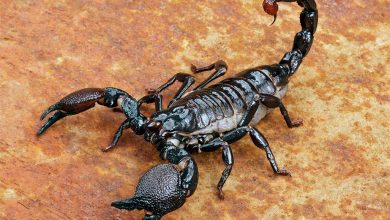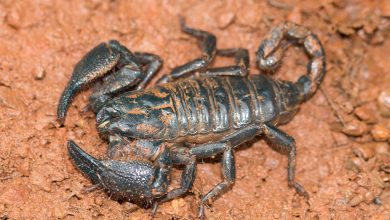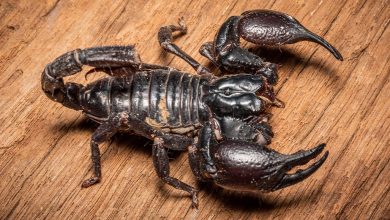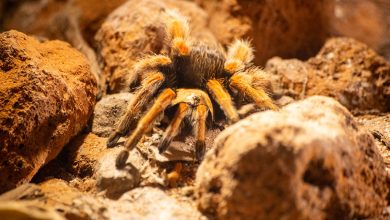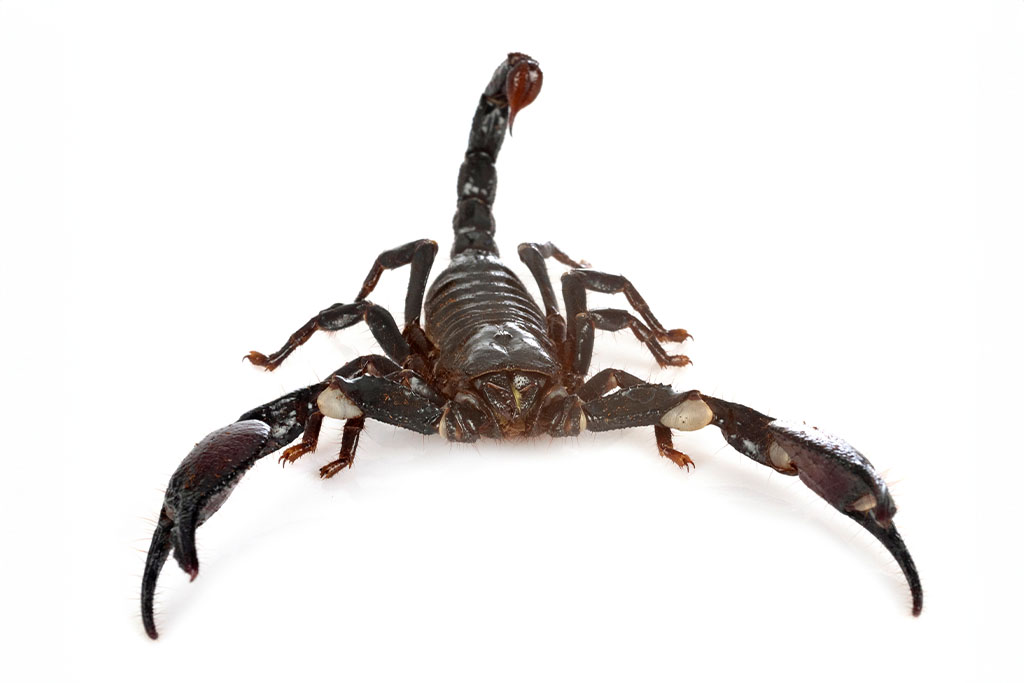
The Emperor Scorpion, scientifically known as Pandinus imperator, is one of the most recognizable scorpion species globally. This imposing arachnid, native to West Africa, is famed for its size, striking appearance, and relatively docile nature, making it a popular choice among both enthusiasts and researchers. This article explores the history of the Emperor Scorpion, from its biological classification and habitat to its role in culture, trade, and scientific research.
Biological Classification and Description
The Emperor Scorpion belongs to the family Scorpionidae, which encompasses many of the largest and most well-known scorpion species. As a member of the class Arachnida, it is closely related to spiders, mites, and ticks. The Emperor Scorpion is characterized by its robust body and large pincers, which can reach lengths of up to 8 inches (20 cm) and can weigh over 30 grams.
The species was first described scientifically by the French entomologist Charles De Geer in 1778. However, it was not until the 19th century that the Emperor Scorpion began to garner significant attention in the scientific community. Its striking appearance, with a glossy black exoskeleton and distinctive chelae (pincers), made it a subject of fascination for both researchers and the public.

Habitat and Distribution
The Emperor Scorpion is predominantly found in the tropical rainforests and savannas of West Africa, including countries such as Nigeria, Cameroon, Ghana, and the Democratic Republic of Congo. These environments provide a suitable habitat characterized by high humidity and warm temperatures, essential for the scorpion’s survival.
In the wild, Emperor Scorpions are often found under rocks, logs, or in burrows, where they create moist microhabitats that protect them from desiccation. They are nocturnal predators, emerging at night to hunt insects, other arthropods, and small vertebrates.
Cultural Significance
Ancient Civilizations
Scorpions, including the Emperor Scorpion, have held cultural significance for thousands of years. In ancient Egypt, scorpions were associated with protection and power. The goddess Serket, often depicted as a woman with a scorpion on her head, was revered as a protector against venomous creatures. The scorpion’s formidable appearance made it a symbol of strength and danger, and it was often featured in art, jewellery, and hieroglyphics.
The Emperor Scorpion’s prominence in ancient cultures can also be seen in Mesopotamian and African folklore, where it often represents various aspects of life and death. In some tribes, scorpions are considered omens or symbols of transformation, illustrating the duality of life.
Modern Interpretations
In contemporary times, the Emperor Scorpion has become a subject of interest in various media, including literature, films, and video games. Its imposing size and appearance have made it a popular creature in horror films, often portrayed as a symbol of fear. However, it is essential to note that Emperor Scorpions are generally not aggressive towards humans and possess a venomous sting that is typically not lethal, especially to healthy adults.
The Trade and Popularity in the Pet Industry
The Emperor Scorpion has gained immense popularity as a pet among exotic animal enthusiasts. Its manageable size, docile temperament, and striking appearance have made it an appealing choice for many. The demand for Emperor Scorpions in the pet trade has led to their breeding in captivity, reducing the pressure on wild populations.
However, this popularity has raised concerns about over-collection in some regions, leading to potential declines in wild populations. As a result, some countries have implemented regulations on the capture and trade of Emperor Scorpions to ensure their conservation.
Scientific Research
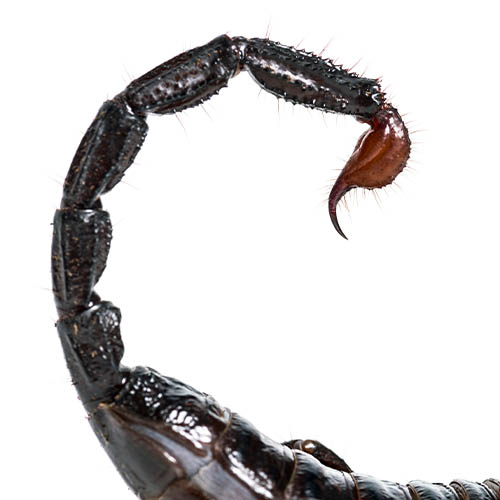
The Emperor Scorpion has been the subject of numerous scientific studies due to its unique biology and venom. Researchers have explored various aspects of the scorpion’s physiology, behaviour, and ecology. One area of significant interest is the study of scorpion venom, which contains a complex mixture of proteins and peptides that can have various effects on the nervous system.
Venom Research
Research on scorpion venom has potential applications in medicine, particularly in the development of new analgesics and cancer treatments. Certain components of the venom have shown promise in targeting cancer cells and modulating pain responses, leading to potential breakthroughs in pharmaceutical development.
Additionally, the study of scorpion behaviour and ecology has provided insights into the evolution of arachnids and their adaptations to different environments. By understanding the Emperor Scorpion’s role in its ecosystem, scientists can better appreciate the complexity of these creatures and their importance in maintaining ecological balance.
Conservation Status
Despite its popularity, the conservation status of the Emperor Scorpion remains a concern. Habitat destruction due to deforestation and urbanisation poses significant threats to their natural populations. Additionally, the illegal pet trade can contribute to declines in wild populations if not adequately regulated.
The International Union for Conservation of Nature (IUCN) has not listed the Emperor Scorpion as endangered, but ongoing monitoring is essential to ensure its survival in the wild. Conservation efforts, including habitat protection and sustainable trade practices, are crucial for the long-term viability of this species.
The Emperor Scorpion is a remarkable species with a rich history that spans ancient cultures, modern science, and the exotic pet trade. Its striking appearance, fascinating biology, and cultural significance make it a subject of interest for researchers and enthusiasts alike. As we continue to explore the complexities of the natural world, it is vital to promote conservation efforts to protect the Emperor Scorpion and its habitat, ensuring that future generations can appreciate this extraordinary arachnid.
References
Fet, V., & Selden, P. A. (2005). Scorpion diversity and conservation in the world. Invertebrate Systematics, 19(2), 131-144.
Stahnke, H. L. (1970). Scorpion nomenclature and venoms. The Biological Bulletin, 139(2), 473-485.
Sissom, W. D. (1990). Scorpions of the World. Museum of Natural History.
Schmidt, J. O., & Pomerantz, E. (1985). Scorpion Venom: Chemical Composition and Action on Neurons. Toxicon, 23(4), 665-668.
Gromov, A. V., & Korolkova, Y. V. (2006). Ecological and Biogeographical Characteristics of Scorpions in the African and Arabian Region. African Entomology, 14(2), 267-275.
Fuchs, C. (2018). The Emperor Scorpion and Its Place in Nature. Journal of Arachnology, 46(1), 63-75.
Ehlers, A., & Rowe, R. (2019). The Role of Scorpions in Ecosystems: Predators, Prey, and Environmental Indicators. Journal of Insect Conservation, 23(1), 1-11.
Sutherland, G. (2015). Scorpion Conservation: Issues and Strategies. Conservation Biology, 29(4), 1117-1127.