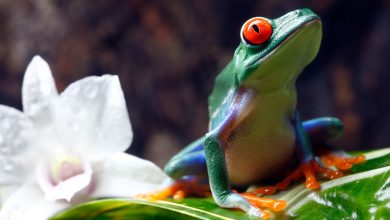
The Red-Eyed Tree Frog, scientifically known as Agalychnis callidryas, is one of the most iconic species in the world of amphibians. With its striking red eyes, vibrant green body, and blue and yellow striped sides, the frog is instantly recognisable. However, beyond its captivating appearance, the Red-Eyed Tree Frog holds an important place in the ecosystems of Central and South America. This article delves into the history of the Red-Eyed Tree Frog, tracing its discovery, ecological importance, evolutionary development, and its symbolic presence in culture and conservation efforts.

Early Discoveries and Classification
The scientific discovery of the Red-Eyed Tree Frog can be traced back to the mid-19th century. The species was first formally described by British zoologist George Albert Boulenger in 1877, as part of his broader research on amphibians and reptiles. Boulenger, a Belgian-born British naturalist, was instrumental in cataloguing various amphibian species during his time at the British Museum (Natural History). His work laid the foundation for the scientific understanding of the Red-Eyed Tree Frog and many other species within the order Anura (frogs and toads).
At the time of its discovery, the Red-Eyed Tree Frog was simply another fascinating amphibian in a world still rich with undiscovered wildlife. Scientists began to document its range, behaviour, and unique physiology, fascinated by the combination of bright red eyes, green skin, and blue and yellow markings on its sides. The frog’s eyes, in particular, sparked much intrigue; their brilliant colour was hypothesised to serve as a form of startle coloration, a defensive mechanism against predators.
Evolutionary Development
The Red-Eyed Tree Frog is part of the family Phyllomedusidae, a group of tree-dwelling frogs native to the tropical regions of Central and South America. The frogs in this family have developed a number of adaptations over millions of years to thrive in their arboreal (tree-dwelling) habitats. Fossil records suggest that tree frogs, like the Red-Eyed Tree Frog, have been present in tropical ecosystems for tens of millions of years, evolving to exploit the unique niches offered by rainforest canopies.
One of the most significant evolutionary traits of the Red-Eyed Tree Frog is its specialised toe pads. These pads enable the frog to climb and adhere to the smooth surfaces of leaves and tree bark, a critical adaptation for an animal living high above the forest floor. Additionally, their slender, long limbs and webbed feet allow them to leap swiftly from one branch to another, enhancing their mobility in the dense vegetation.
In terms of their bright colouration, natural selection has favoured the Red-Eyed Tree Frog’s vivid appearance. While the green body provides excellent camouflage among leaves, the red eyes and colourful sides may confuse or startle predators when the frog leaps away. This startle display is believed to give the frog an extra second or two to escape from potential threats such as birds, snakes, and larger amphibians.
Habitat and Geographic Range
The Red-Eyed Tree Frog is native to tropical rainforests across Central America, including countries such as Mexico, Belize, Honduras, Costa Rica, Nicaragua, and Panama. Some populations also extend into northern parts of South America, particularly in Colombia. These frogs are primarily arboreal, spending most of their lives in the trees, where they find shelter, food, and breeding sites.
Their preferred habitat is lowland rainforests, particularly in areas close to water sources such as rivers, ponds, and lakes. During the rainy season, these bodies of water are essential for their breeding activities. Red-Eyed Tree Frogs are nocturnal creatures, meaning they are most active during the night, when they hunt for food and engage in social behaviour.
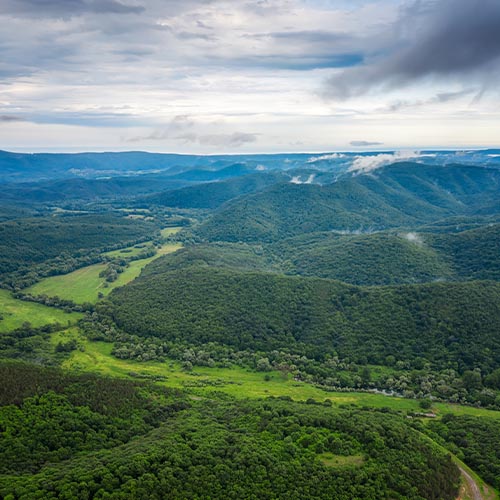
Unfortunately, the habitats of Red-Eyed Tree Frogs are increasingly under threat due to deforestation, urbanisation, and agricultural expansion. The destruction of tropical rainforests in Central America has significantly reduced the available habitats for these amphibians, and conservationists have raised concerns about the long-term viability of their populations in the wild.

Behaviour and Life Cycle
Red-Eyed Tree Frogs exhibit a variety of fascinating behaviours that have been studied extensively by herpetologists. One of their most remarkable behaviours is their breeding ritual. During the rainy season, male frogs gather near bodies of water and begin vocalising with loud, distinctive croaks to attract females. This period of vocalisation is often referred to as a “frog chorus,” and it can last for hours at a time.
Once a female selects a mate, the pair engage in a behaviour known as amplexus, where the male grasps the female from behind and fertilises the eggs as they are laid. The female typically deposits her eggs on the underside of a leaf that overhangs water. This strategic placement ensures that when the tadpoles hatch, they can drop directly into the water, where they continue their development.
The eggs of the Red-Eyed Tree Frog are particularly vulnerable to predators, such as snakes and insects. However, the embryos inside the eggs are capable of early hatching if they detect vibrations caused by approaching predators. This ability to hatch prematurely is an extraordinary adaptation that increases the chances of survival for the tadpoles.
Once hatched, the tadpoles undergo a metamorphic process, transforming from aquatic, gill-breathing creatures into fully formed frogs with lungs and limbs. This transformation typically takes several weeks, after which the juvenile frogs leave the water and climb into the trees, where they will spend the rest of their lives.
Red-Eyed Tree Frogs in Human Culture
Due to their striking appearance, Red-Eyed Tree Frogs have become symbols of biodiversity, particularly in rainforest conservation campaigns. They are often used as “poster species” to represent the fragility and beauty of tropical ecosystems, playing a role similar to that of pandas for temperate species.
The Red-Eyed Tree Frog also holds cultural significance in indigenous communities throughout Central and South America. Some indigenous peoples view frogs as symbols of fertility, rain, and prosperity. Their presence in mythology and folklore reinforces their role as creatures deeply intertwined with the natural world.
Additionally, the Red-Eyed Tree Frog has become a popular subject in the exotic pet trade. Captive-bred frogs are often sold as pets around the world due to their vibrant colours and relatively manageable care requirements. However, conservationists urge potential buyers to ensure they are purchasing captive-bred frogs rather than contributing to the illegal wildlife trade, which poses a significant threat to wild populations.
Conservation Status and Efforts
The International Union for Conservation of Nature (IUCN) currently lists the Red-Eyed Tree Frog as “Least Concern,” indicating that the species is not currently at immediate risk of extinction. However, this status can be misleading, as the Red-Eyed Tree Frog faces a number of significant threats that could impact its long-term survival.
Deforestation and habitat loss are the most pressing concerns for Red-Eyed Tree Frogs. As the rainforests of Central America are cleared for agriculture, logging, and urban development, the available habitat for these frogs is shrinking rapidly. In some areas, populations have already become fragmented, which can lead to genetic isolation and increased vulnerability to environmental changes.
Climate change is another emerging threat to the Red-Eyed Tree Frog. Rising temperatures, changing precipitation patterns, and increased frequency of extreme weather events could disrupt their breeding cycles and reduce the availability of suitable habitat. Amphibians are particularly sensitive to environmental changes due to their permeable skin, which makes them vulnerable to shifts in temperature and moisture levels.
Conservation efforts to protect the Red-Eyed Tree Frog are focused primarily on preserving and restoring its natural habitat. Rainforest conservation projects, such as those spearheaded by international organisations like the Rainforest Alliance and World Wildlife Fund (WWF), aim to reduce deforestation and promote sustainable land use in Central America. Additionally, captive breeding programs are working to maintain healthy populations of Red-Eyed Tree Frogs in zoos and research institutions, which could serve as a genetic reservoir in the event of population declines in the wild.
The Red-Eyed Tree Frog, with its vivid colours and unique behaviours, has fascinated scientists and nature enthusiasts alike for over a century. From its early classification by 19th-century zoologists to its current role as a symbol of rainforest conservation, this species has played an important part in our understanding of tropical ecosystems. However, the Red-Eyed Tree Frog’s future is far from secure, as habitat loss, climate change, and human activities continue to threaten its natural environment. By promoting conservation efforts and raising awareness about the challenges faced by these remarkable amphibians, we can help ensure that the Red-Eyed Tree Frog remains a vibrant part of our planet’s biodiversity for generations to come.
References
Boulenger, G.A. (1877). Catalogue of the Batrachia Salientia s. Ecaudata in the Collection of the British Museum. London: British Museum (Natural History).
Savage, J.M. (2002). The Amphibians and Reptiles of Costa Rica: A Herpetofauna Between Two Continents, Between Two Seas. University of Chicago Press.
IUCN Red List of Threatened Species. (2024). Agalychnis callidryas. Available at: https://www.iucnredlist.org/species/55848/11380605.
Duellman, W.E. (2001). Hylid Frogs of Middle America. Society for the Study of Amphibians and Reptiles.
The Rainforest Alliance. (2020). Conservation and Biodiversity in Central America. Available at: https://www.rainforest-alliance.org/conservation.