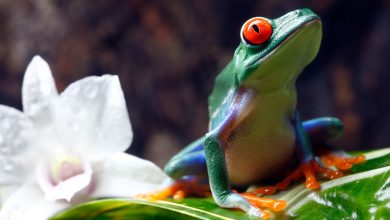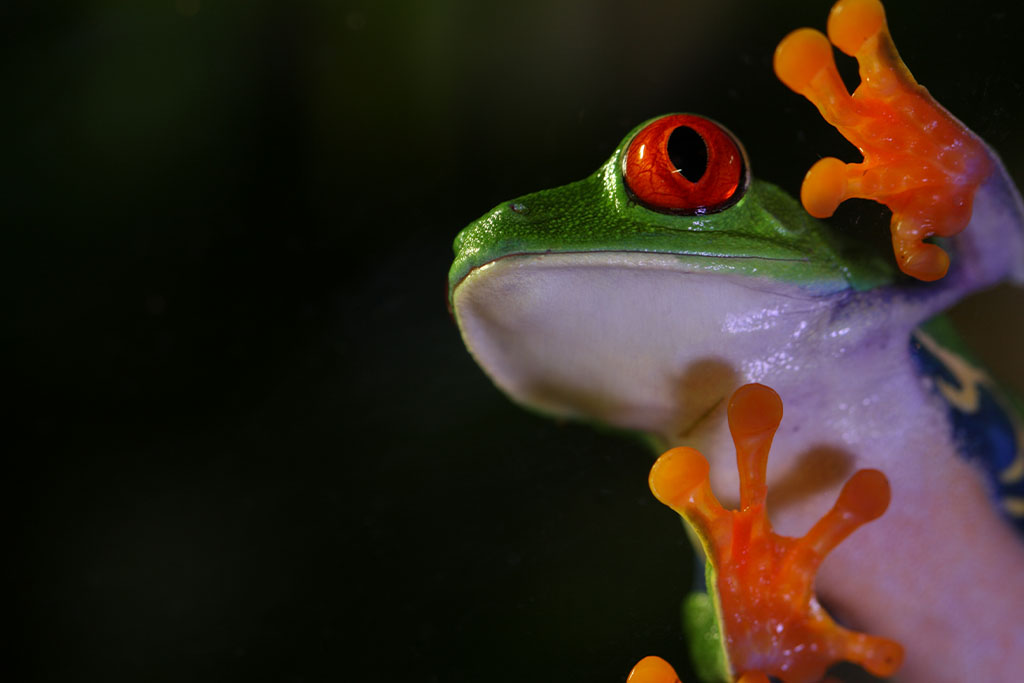
The Red-Eyed Tree Frog (Agalychnis callidryas) is a strikingly beautiful amphibian native to the rainforests of Central and South America. Known for their vibrant green bodies, blue and yellow sides, and, of course, their distinctive red eyes, these frogs have captivated nature enthusiasts and hobbyists alike. Their appearance is so iconic that they have become the quintessential image of rainforest frogs, appearing in wildlife documentaries, books, and even advertising campaigns. But beyond their eye-catching looks, these frogs are fascinating creatures with unique behaviours and specific care requirements.
For those interested in keeping Red-Eyed Tree Frogs as pets, it’s important to understand their natural environment, diet, and general care to ensure they thrive in captivity. This guide aims to provide beginners with everything they need to know to care for these exotic frogs.
Natural Habitat and Behaviour
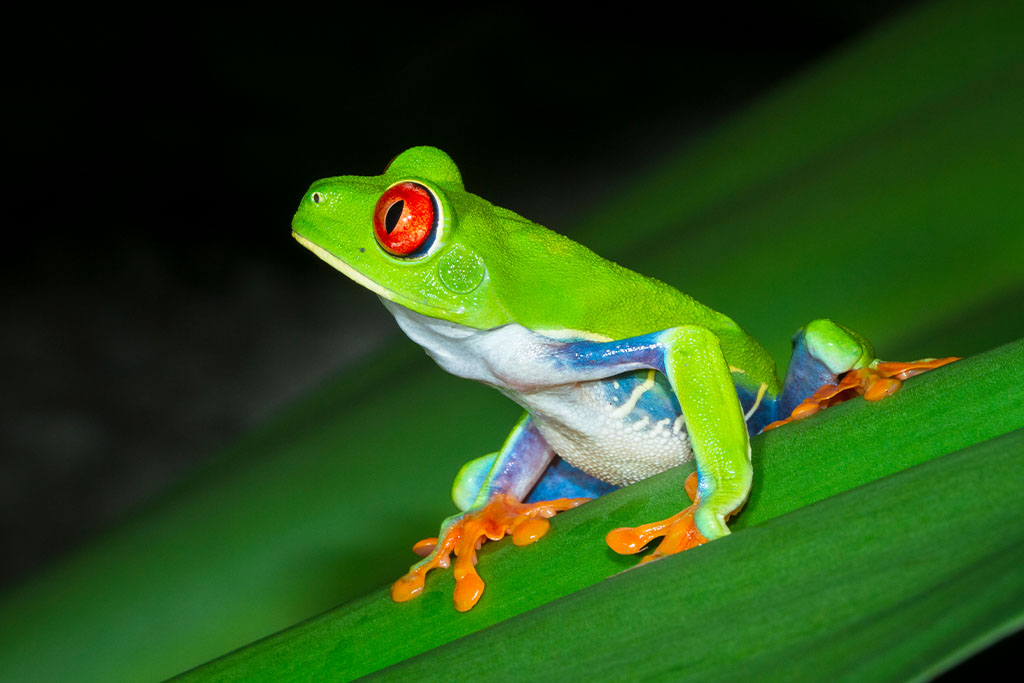
Red-Eyed Tree Frogs are native to the tropical lowland forests of Central America, ranging from southern Mexico through Central America to northern Colombia. They live primarily in humid environments, typically found near water sources such as rivers, ponds, and streams. The warm, moist conditions of the rainforest make it an ideal home for these amphibians.
They are arboreal, meaning they spend most of their lives in trees. During the day, they rest on the underside of leaves to stay camouflaged from predators, curling up to conceal their bright colours. At night, they become active hunters, feeding on insects such as crickets, moths, and flies.
Their vivid red eyes play a key role in their survival strategy. When threatened by predators, they will abruptly open their eyes to startle and confuse their attacker. This startle reflex, known as “deimatic behaviour,” buys them precious seconds to leap away to safety.
Housing Red-Eyed Tree Frogs
Terrarium Setup
Red-Eyed Tree Frogs require a well-planned terrarium that replicates their natural rainforest habitat. A vertically oriented terrarium is essential, as these frogs love to climb. A minimum enclosure size for one or two adult frogs is 18 x 18 x 24 inches, though larger enclosures are always better.
Key elements for the enclosure include:
- Substrate: Use a moisture-retaining substrate such as coconut fiber, sphagnum moss, or a soil mix that will help maintain the humidity levels required for these frogs. Avoid gravel or loose bark, as these can be ingested accidentally and may cause impaction.
- Humidity: Red-Eyed Tree Frogs need a humid environment, with levels between 70-90%. A misting system or regular hand misting is necessary to maintain humidity. Adding live plants like bromeliads, pothos, or philodendrons can help to sustain moisture while providing hiding spots for your frogs.
- Temperature: During the day, aim for temperatures of 24-28°C (75-82°F), with a slight drop at night to around 20-22°C (68-72°F). Heating can be provided via an under-tank heater or a ceramic heat emitter. Avoid direct heat lamps, as these can dry out the terrarium and cause stress to the frogs.
- Lighting: While Red-Eyed Tree Frogs are nocturnal and do not require UVB lighting, a low-level UVB light can still be beneficial, especially if you are keeping live plants in the enclosure. Keep lighting on a 12-hour cycle to replicate the natural day-night rhythm of the tropics.
- Climbing Structures: Since they are arboreal, provide plenty of branches, vines, and plants for your frogs to climb. Red-Eyed Tree Frogs prefer to perch high up, so make sure there are adequate vertical spaces.
- Water: A shallow water dish should be provided, with dechlorinated or bottled water. Frogs will often soak themselves in water to hydrate and to shed their skin. The water should be changed daily to prevent bacterial buildup.
Bioactive Vivarium
Many keepers opt for a bioactive setup, which mimics a small ecosystem. This involves using live plants, microfauna like springtails and isopods, and naturalistic substrates to create a self-sustaining habitat. A bioactive vivarium is not only aesthetically pleasing but also reduces the need for constant cleaning, as waste is broken down by beneficial organisms.
Feeding Red-Eyed Tree Frogs
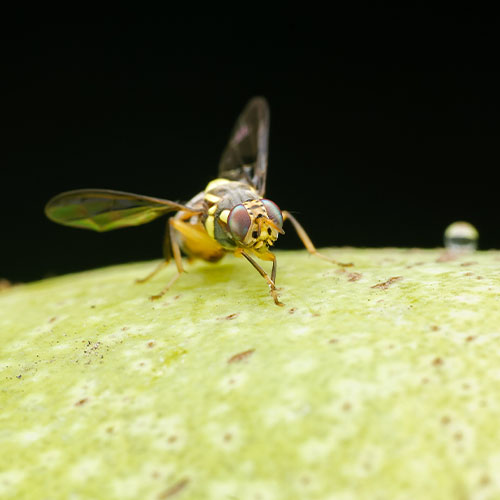
In the wild, Red-Eyed Tree Frogs primarily eat insects, and their diet in captivity should closely mimic this. Crickets are the staple food for Red-Eyed Tree Frogs, but they will also eat other insects such as:
- Fruit flies
- Moths
- Waxworms (as an occasional treat)
- Mealworms (in moderation, as they have a hard exoskeleton)
Feed your frogs in the evening, as they are nocturnal and will be most active during this time. Juvenile frogs should be fed daily, while adult frogs can be fed every other day. It’s essential to dust the insects with a calcium supplement 2-3 times a week to prevent metabolic bone disease. A vitamin supplement should also be used once a week to provide necessary nutrients.
Feed your frogs in the evening, as they are nocturnal and will be most active during this time. Juvenile frogs should be fed daily, while adult frogs can be fed every other day. It’s essential to dust the insects with a calcium supplement 2-3 times a week to prevent metabolic bone disease. A vitamin supplement should also be used once a week to provide necessary nutrients.
Handling and Interaction
Red-Eyed Tree Frogs are best appreciated for their beauty and unique behaviours rather than their interaction with humans. Like most amphibians, they have delicate skin that absorbs moisture and substances from the environment. Handling should be kept to a minimum and should only be done with clean, wet hands. Even then, handling can stress the frogs and can damage their sensitive skin, potentially leading to infections.
If you need to move or interact with your frogs, consider wearing non-powdered gloves, rinsed in dechlorinated water. Always avoid using soaps, lotions, or any other products on your hands before handling your frog.
Health and Wellness
Common Health Issues
Red-Eyed Tree Frogs are generally hardy creatures, but they can suffer from a few common health issues:
Parasites: Like all amphibians, Red-Eyed Tree Frogs can carry parasites. Ensure that feeder insects come from a reputable source to avoid introducing harmful parasites. If you suspect your frog has parasites (symptoms can include weight loss, irregular droppings, or lethargy), consult an exotic vet for proper diagnosis and treatment.
Dehydration: These frogs are highly sensitive to humidity, and dehydration can be fatal. Signs include sunken eyes, lethargy, and dry, wrinkled skin. To prevent this, always ensure the humidity in the terrarium is kept high, and provide fresh water daily.
Metabolic Bone Disease: This is caused by a lack of calcium in their diet, which leads to brittle bones, difficulty moving, and, if left untreated, death. It can be prevented by regularly dusting feeder insects with calcium and providing a varied, nutritious diet.
Skin Infections: Due to their sensitive skin, Red-Eyed Tree Frogs are prone to bacterial and fungal infections, often caused by unsanitary living conditions or poor humidity control. Regular cleaning of the terrarium and monitoring for unusual skin changes can prevent infections.
Signs of a Healthy Red-Eyed Tree Frog
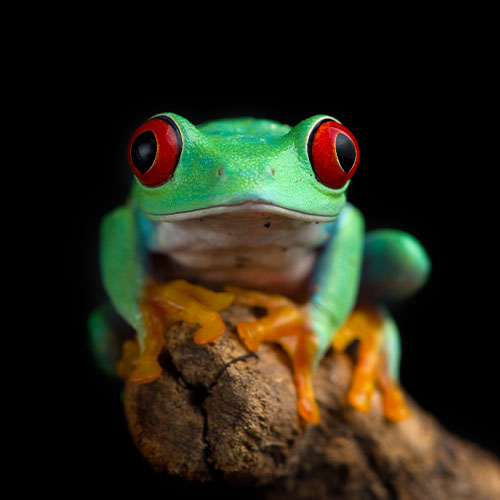
A healthy Red-Eyed Tree Frog will be active during the night, displaying bright, vibrant colours. Its skin should appear smooth and moist, without any lesions or discolorations. Eyes should be clear and alert. A healthy frog will have a good appetite and will actively hunt for insects in its enclosure.
Breeding Red-Eyed Tree Frogs
Breeding Red-Eyed Tree Frogs in captivity can be a rewarding experience, though it requires careful planning and specific conditions to induce mating behaviour.
Setting Up a Rain Chamber
To mimic the frogs’ natural breeding environment, many breeders set up a “rain chamber” to simulate the rainy season of their natural habitat. This is done by placing the frogs in a larger enclosure with high humidity, running water, and misting systems that create a constant rain-like effect. Additionally, the temperature should be slightly lowered during this period to replicate the natural breeding season.
Males will call to attract females, and if successful, the female will lay her eggs on a leaf or other surface above the water. After a few days, the tadpoles will hatch and drop into the water below. It’s important to move the tadpoles to a separate enclosure with clean, shallow water to prevent fungal infections or predation from adult frogs.
Tadpoles should be fed a diet of algae, boiled spinach, or commercial tadpole food until they metamorphose into froglets, which usually takes 6-8 weeks.
Red-Eyed Tree Frogs are a fascinating and visually stunning addition to any exotic pet collection. Though they are relatively low-maintenance in terms of feeding and care, providing the right environment and conditions is essential for their health and longevity. By recreating a tropical, humid habitat and offering a nutritious diet, you can ensure that your frogs thrive and live a full life. With their vibrant colours and unique behaviours, they offer endless enjoyment for both beginners and experienced reptile enthusiasts alike.
References
“Red-Eyed Tree Frog Care Guide.” Reptiles Magazine, 2022.
Bartlett, R.D. & Bartlett, P. (2020). Red-Eyed Tree Frogs as Pets: Basic Information About Housing, Feeding, and General Care. Barron’s Educational Series.
Gray, T. (2019). A Complete Guide to Red-Eyed Tree Frogs: Housing, Feeding, and Breeding in Captivity. Amphibian Press.
“Red-Eyed Tree Frog.” National Geographic Animal Profiles, 2021.
Zimmermann, E. (2021). Amphibian Biology and Care, 2nd ed. Wiley-Blackwell.
“Red-Eyed Tree Frog Habitat and Behavior.” Amphibian Ark, 2023.