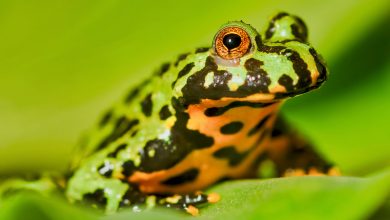
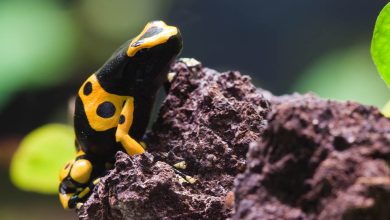
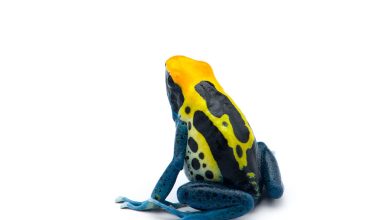
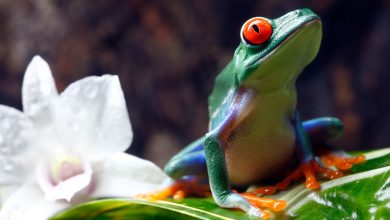
Fire salamanders (Salamandra salamandra) are striking amphibians native to the forests of central and southern Europe. Known for their vibrant black and yellow patterns, they thrive in cool, damp environments and can live up to 20 years in captivity with proper care. Keeping fire salamanders healthy and happy requires attention to their specific needs, and the right supplies are key to providing the ideal habitat. Below are the top ten essential supplies that any fire salamander keeper should consider when setting up a terrarium for these beautiful amphibians.

Terrarium (Enclosure)
The first and most important piece of equipment for housing a fire salamander is a suitable terrarium. A 45 x 45 x 60cm or 20-gallon tank is a minimum requirement for a single fire salamander, though larger enclosures are preferred for multiple salamanders or to create a more naturalistic setup. Glass terrariums with front-opening doors are ideal as they provide easy access for maintenance and cleaning. Ventilation is crucial, so ensure the tank has a mesh lid or ventilation slots to allow air circulation while maintaining humidity.
Key Points:
- Size: Minimum 20-gallon tank i.e. 45 x 45 x 60cm terrarium
- Material: Glass terrariums with front doors
- Ventilation: Ensure good air circulation
- Substrate: Holds humidity and allows burrowing (explained below)
Substrate
Choosing the right substrate is essential for replicating the fire salamander’s natural environment. They prefer damp, forest-like conditions with plenty of places to burrow and hide. A mix of eco-friendly materials such as coco fiber, topsoil, and sphagnum moss works well for retaining moisture while allowing the salamander to dig. Avoid substrates like sand or gravel, which can cause impaction if ingested.
Recommended Substrate Materials:
- Coconut fiber (coco coir): Absorbs moisture and provides a soft texture for burrowing.
- Reptile Pre-packed Soil Blend: Often contains a mix of safe soil, coco coir and vermiculite.
- Topsoil: Provides a natural feel; make sure it is free of fertilizers and chemicals.
- Sphagnum moss: Retains moisture, helping maintain humidity levels.
- Leaf litter: Simulates the forest floor and adds hiding spots.
Hiding Spots
Fire salamanders are secretive and nocturnal animals, meaning they spend a good portion of the day hiding. To keep them comfortable and stress-free, provide plenty of hiding spots within the enclosure. Cork bark, half logs, and ceramic caves are great choices. These hiding areas mimic the leaf litter, rotting logs, and crevices that fire salamanders naturally seek out in the wild.
Recommended Hides:
- Cork bark pieces: Natural and moisture-resistant.
- Half logs: Offer shelter and can be aesthetically pleasing.
- Ceramic caves: Easy to clean and durable.
- Natural rocks: Flat stones can create additional hideaways, though ensure they are stable.
Water Dish
Fire salamanders do not live fully aquatic lives like some other amphibians, but they do require constant access to a shallow water source. A shallow, wide water dish allows the salamander to soak, drink, and maintain skin moisture. The dish should be large enough for the salamander to sit in but shallow enough to prevent drowning. Regular cleaning is essential to prevent bacterial growth, as salamanders are very sensitive to water quality.
Features of a Good Water Dish:
- Shallow and wide: Prevents drowning and allows easy access.
- Stable: Should not tip over easily.
- Easy to clean: Non-porous materials like ceramic or plastic are ideal.
- Clean, dechlorinated water: Replace regularly to maintain water quality.
Temperature Control
Fire salamanders thrive in cooler temperatures between 15°C to 21°C (60°F and 70°F). They are sensitive to heat, and temperatures above 24°C (75°F) can be harmful or even fatal. It is important to monitor the terrarium’s temperature with a reliable thermometer, ensuring it stays within the optimal range. In warmer climates or during summer, a cooling system or placing the enclosure in a cool part of the house may be necessary.
Temperature Management Tools:
- Digital thermometer: Provides accurate temperature readings.
- Cooling fans: Circulate air to prevent heat buildup.
- Cool room location: Place the enclosure in a naturally cool area.

Humidity Control
Maintaining the correct humidity is vital for fire salamanders, which thrive in environments with 60% to 80% humidity. Misting the enclosure regularly with a spray bottle or using an automatic misting system can help keep the humidity at optimal levels. Including moisture-retaining substrate (as discussed earlier) and live plants also helps maintain the right humidity. A hygrometer should be installed to monitor the levels consistently.
Humidity Maintenance Supplies:
- Live plants: Help increase humidity naturally.
- Hygrometer: Measures humidity levels.
- Misting bottle or system: For regular misting of the enclosure.
- Moisture-retaining substrate: Coconut fiber, sphagnum moss, etc.
Humidity Control
Maintaining the correct humidity is vital for fire salamanders, which thrive in environments with 60% to 80% humidity. Misting the enclosure regularly with a spray bottle or using an automatic misting system can help keep the humidity at optimal levels. Including moisture-retaining substrate (as discussed earlier) and live plants also helps maintain the right humidity. A hygrometer should be installed to monitor the levels consistently.
Humidity Maintenance Supplies:
- Hygrometer: Measures humidity levels.
- Misting bottle or system: For regular misting of the enclosure.
- Moisture-retaining substrate: Coconut fiber, sphagnum moss, etc.
- Live plants: Help increase humidity naturally.
Lighting
Fire salamanders are nocturnal and do not require strong lighting. However, a low-level light source can help regulate their day-night cycle. LED lights or low-wattage UVB bulbs (2.0 to 5.0 UVB) can be used to provide natural day cycles without producing excess heat. UVB lighting also aids in the absorption of calcium and other vitamins, although it should be used sparingly since fire salamanders are sensitive to strong light.
Suitable Lighting Options:
- Low-level LED lights: For day-night cycle regulation.
- 2.0 UVB bulbs: Minimal UVB exposure for calcium absorption.
- Timers: To control light cycles, typically 10-12 hours of light per day.
Calcium and Vitamin Supplements
In captivity, fire salamanders need a balanced diet supplemented with vitamins and minerals to avoid deficiencies. Calcium, in particular, is crucial for bone health. Dust feeder insects (such as crickets, mealworms, or waxworms) with a calcium powder or a multivitamin supplement before feeding your salamander. It’s important to use a supplement that includes vitamin D3, as this helps with calcium absorption, especially if UVB lighting is minimal.
Recommended Supplements:
- Calcium powder: Dusting insects provides calcium for bone health.
- Multivitamins: Helps prevent vitamin deficiencies.
- Vitamin D3: Included in the supplements or through low-level UVB exposure.
Feeding Tongs
Fire salamanders are insectivores, and while they can catch food on their own, using feeding tongs helps ensure they get the correct amount of food. Tongs also reduce the chance of substrate ingestion when feeding live insects like crickets or mealworms. Long stainless-steel feeding tongs are easy to clean and allow you to offer food directly to your salamander without disturbing them too much.
Feeding Tongs:
- Long stainless-steel tongs: For feeding live insects. More hard wearing but could damaged the salamanders mouth if tong feeding.
- Rubber-tipped tongs: Prevent injury to the salamander when feeding.
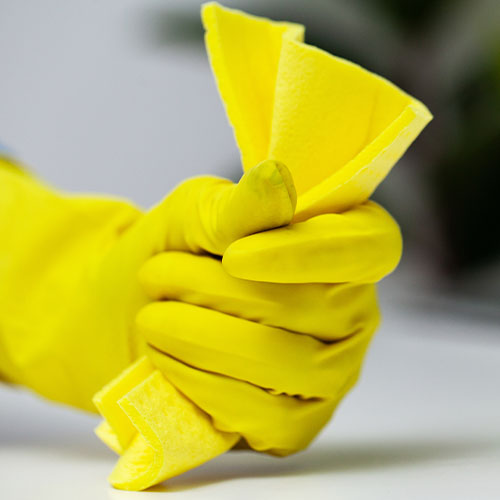
Cleaning Supplies
Maintaining a clean habitat is essential for the health of fire salamanders. Regular cleaning helps prevent the buildup of bacteria, mold, and harmful pathogens in the enclosure. Clean the water dish, remove waste, and replace substrate as needed. Non-toxic cleaning agents should be used, as salamanders are highly sensitive to chemicals.
Essential Cleaning Supplies:
- Non-toxic terrarium cleaner: Safe for amphibians.
- Replacement substrate: Fresh substrate to replace soiled areas.
- Water conditioner: Removes harmful chemicals like chlorine from tap water.
- Gloves: Protect your skin and the salamander when handling.
Caring for fire salamanders requires a specialized setup to mimic their natural environment. From a well-ventilated terrarium to humidity control, the right supplies are essential for their health and wellbeing. By providing appropriate hiding spots, temperature regulation, and a clean environment, you can create a safe and comfortable home for your fire salamander. A focus on correct diet and supplements, as well as ensuring proper water quality, rounds out the care requirements for these fascinating amphibians. With the top ten essential supplies covered, you’re well on your way to becoming a successful fire salamander keeper.
References
“Salamander Care Sheet,” Reptiles Magazine,
https://www.reptilesmagazine.com.
David Alderton, The Ultimate Guide to Amphibians and Reptiles, 2021, Barron’s Educational Series.
“Fire Salamander Care Guide,” Exotic Pets UK,
https://www.exoticpets.co.uk.
Jessica Greene, “Creating the Perfect Habitat for Fire Salamanders,” Herpetology Today, March 2023.
“Amphibian Substrates Explained,” Terrarium Experts,
https://www.terrariumexperts.com.
“Feeding Fire Salamanders: Nutrition and Supplements,” Herp Digest, May 2022.
Chris Mattison, Keeping and Breeding Amphibians, 2019, T.F.H. Publications.
“Amphibian Care and Health,” American Amphibian Society,
https://www.amphibiansociety.org.
Daniel Thompson, Terrarium Plants and Design for Amphibians, 2022, HarperCollins.
“Salamandra Salamandra: The Fire Salamander,” World Amphibians Database,
https://www.worldamphibians.com.