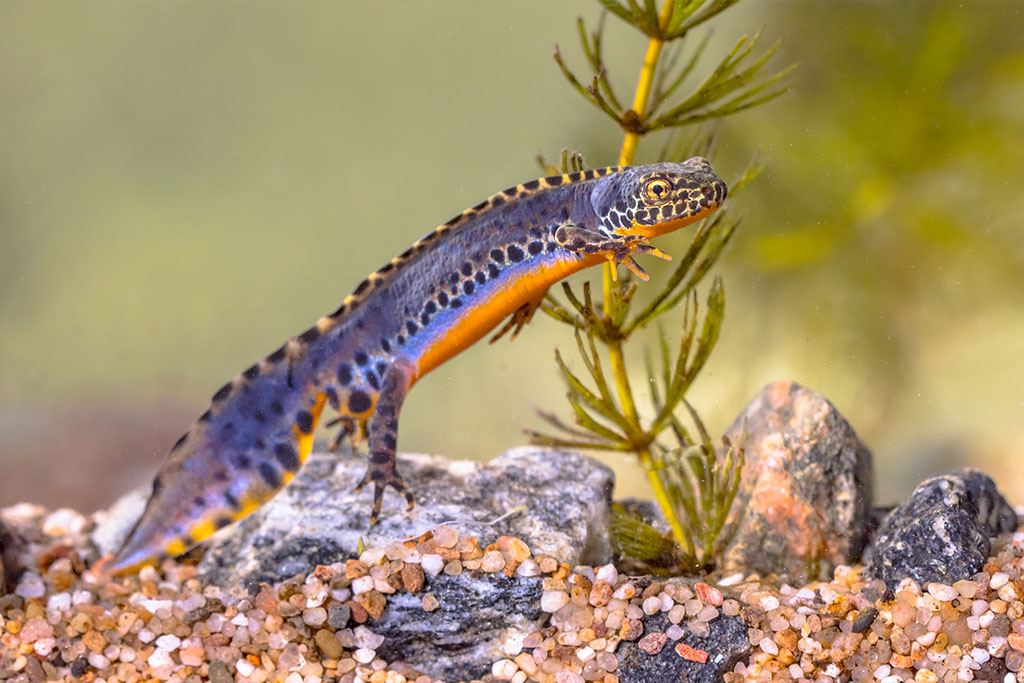
Creating a bioactive enclosure for Alpine Newts (Triturus alpestris) can provide an enriching and healthy environment for these fascinating amphibians. Bioactive setups mimic natural ecosystems, incorporating live plants, microorganisms, and various substrate layers to create a self-sustaining habitat. This article will guide you through the essential components, considerations, and steps involved in creating a bioactive enclosure tailored for Alpine Newts.
Understanding the Alpine Newt
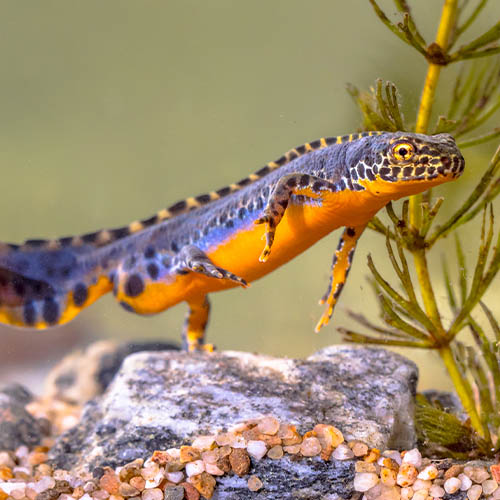
Alpine Newts are native to mountainous regions in Europe, including the Alps and surrounding areas. They prefer cool, moist environments and are typically found in shallow waters during their breeding season. Their diet mainly consists of small invertebrates, including insects and crustaceans. Alpine Newts exhibit remarkable colouration, with males often displaying bright orange or yellow bellies during the breeding season. This colouration not only adds beauty to your enclosure but also plays a role in their natural behaviour.
The Benefits of a Bioactive Setup
Naturalistic Environment: A bioactive enclosure mimics the newts’ natural habitat, providing essential elements for their wellbeing, such as hiding spots and climbing opportunities.
Self-Sustaining Ecosystem: Live plants, soil microorganisms, and beneficial insects create a balanced ecosystem, reducing the need for frequent maintenance.
Reduced Stress: The presence of live plants and naturalistic features can reduce stress for the newts, promoting natural behaviours such as foraging and exploring.
Improved Water Quality: The bioactive setup can help maintain cleaner water through natural filtration processes provided by plants and microorganisms.
Key Components of a Bioactive Enclosure
Tank Size and Type
- A minimum tank size of 60 litres (approximately 15 gallons) is recommended for a small group of Alpine Newts. Larger enclosures will allow for better territory establishment and more complex layouts.
- Use a glass or acrylic aquarium with a secure lid, as Alpine Newts can escape.
Substrate Layers
- Drainage Layer: Start with a drainage layer to prevent waterlogging. Use materials such as hydroton (expanded clay pellets) or gravel.
- Soil Layer: Add a soil layer on top of the drainage layer. A mixture of organic potting soil, peat, and sand provides a suitable substrate for plant roots and retains moisture.
- Top Layer: Consider adding a thin layer of leaf litter or small bark chips to mimic the forest floor and provide hiding spots for both the newts and beneficial microfauna.
Plants
- Selection: Choose a variety of live aquatic and terrestrial plants to create a balanced ecosystem. Suitable plants include:
- Aquatic Plants: Hornwort (Ceratophyllum demersum), Java moss (Taxiphyllum barbieri), and Anubias.
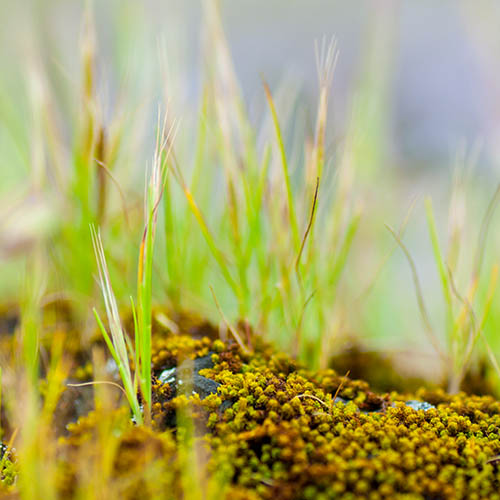
- Terrestrial Plants: Ferns (e.g., maidenhair fern), mosses (e.g., sphagnum moss), and small tropical plants (e.g., fittonia or peace lily).
- Placement: Arrange plants to create hiding spots, open swimming areas, and vertical space for climbing.
Water Source
- Incorporate a shallow water area where the newts can swim and soak. Use a water filter suitable for the tank size to maintain water quality.
- The water temperature should be kept between 12°C to 20°C (54°F to 68°F), as Alpine Newts prefer cooler environments.
Hiding Spots and Decor
- Provide various hiding spots using natural materials like rocks, driftwood, or commercially available hides. This helps create a sense of security for the newts.
- Avoid sharp or rough materials that could injure the newts. Ensure that any decorations are clean and free from chemicals.
Microfauna
- Introduce beneficial microfauna, such as springtails and isopods, to help break down organic waste and contribute to the ecosystem’s health.
- These creatures serve as a food source for the newts and help maintain the cleanliness of the enclosure.
Setting Up the Enclosure
Preparing the Tank
Clean the tank thoroughly with water and vinegar to remove any residues. Rinse well to ensure no cleaning agents remain.
Begin by adding the drainage layer, followed by the soil layer, ensuring it’s thick enough to support plant growth.
Planting
Before adding water, plant the terrestrial plants in the soil layer, pressing them firmly to ensure stability. Add aquatic plants once the water is introduced.
Allow the plants to establish for a few weeks before introducing the newts to the enclosure.
Adding Water
Gradually fill the tank with dechlorinated water, ensuring the water temperature is suitable. Avoid disturbing the substrate during this process.
Check the water parameters (pH, ammonia, nitrite, nitrate) regularly to ensure a healthy environment.
Introducing the Newts
Once the plants have established and water parameters are stable, gently introduce the Alpine Newts to their new home. Monitor them closely for any signs of stress or illness.
Maintenance of the Bioactive Enclosure
Monitoring Water Quality
- Regularly test the water parameters to ensure they remain within acceptable ranges. Perform partial water changes (10-20%) every few weeks as needed.
Plant Care
- Trim overgrown plants to prevent overcrowding and ensure all plants receive adequate light. Consider using a grow light if natural light is insufficient.
Microfauna Population
- Keep an eye on the microfauna population; if it declines, consider reintroducing springtails or isopods to maintain a balanced ecosystem.
Feeding
- Feed the Alpine Newts a varied diet of live or frozen foods, such as daphnia, bloodworms, and small insects. Avoid overfeeding, as uneaten food can lead to water quality issues.
Cleaning
- Perform light cleaning as needed, removing uneaten food and organic waste. Avoid disturbing the substrate too much to preserve beneficial bacteria and microorganisms.
Common Challenges
Algae Growth
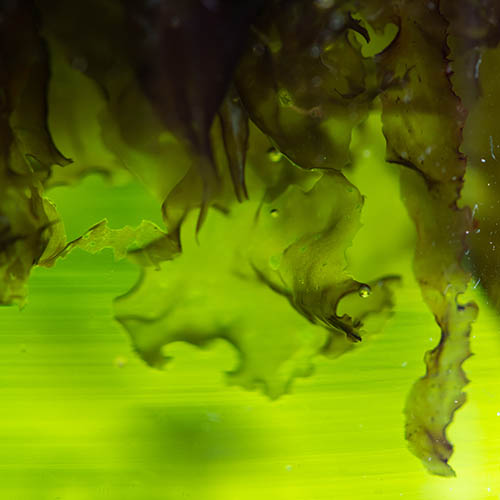
Excessive algae can indicate high nutrient levels. Regular water changes and reducing feeding can help manage algae growth.
Plant Die-Off
If plants are wilting or dying, assess water quality, light levels, and soil conditions. Some plants may not thrive in the tank’s conditions; consider swapping them out for hardier species.
Stress in Newts
If newts appear stressed (hiding excessively, losing colour, or not eating), check for tank mates, water quality issues, or inadequate hiding spots.
Creating a bioactive enclosure for Alpine Newts is a rewarding endeavour that promotes their health and wellbeing. By mimicking their natural habitat and establishing a balanced ecosystem, you provide them with a dynamic environment where they can thrive. With regular maintenance and attention, your Alpine Newts will flourish in their bioactive home, providing you with a fascinating glimpse into their natural behaviours.
References
Stuart, S. N., Chanson, J. S., Cox, N. A., et al. (2008). Global amphibian declines: A problem in conservation biology. Global Ecology and Biogeography, 17(3), 251-267.
Boulenger, G. A. (1920). A monograph of the Salamandridae. London: British Museum.
Hensley, D. (2016). Creating a bioactive vivarium: The essentials. The Herpetological Review, 47(1), 5-12.
Van Sluys, M., & De Lima, D. (2004). Bioactive terrariums: Creating a self-sustaining ecosystem. Reptile and Amphibian Magazine, 9(4), 54-61.
Lentz, C. (2019). Understanding aquatic and terrestrial plant care in a bioactive environment. Aquatic Plants Journal, 15(3), 31-45.
Barr, B. (2020). The impact of live plants on water quality in amphibian habitats. Journal of Aquatic Conservation, 30(1), 79-88.
Becker, C. G., et al. (2018). Ecosystem engineering by amphibians: A review of current understanding and implications for biodiversity conservation. Biodiversity and Conservation, 27(12), 3079-3099.