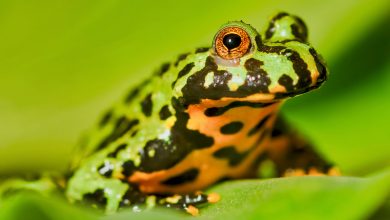
Fire-bellied toads (Bombina orientalis) are captivating amphibians, known for their striking coloration and relatively easy care needs. However, setting up their enclosure correctly is key to ensuring they thrive. One of the most important aspects of this setup is choosing the right substrate.
The substrate you use not only impacts your fire-bellied toads’ health and comfort but also plays a crucial role in maintaining a stable and healthy environment within the enclosure. This article will cover the various types of substrates available, their pros and cons, and how to make the right choice based on your toads’ needs and enclosure setup.

Understanding Fire-Bellied Toads’ Natural Habitat
Before choosing a substrate, it is essential to understand the natural environment these toads come from. Fire-bellied toads are native to China, Korea, and parts of Russia, where they inhabit wetland areas such as ponds, marshes, and slow-moving streams. These environments are typically cool and humid, with plenty of vegetation and moist soil.
In captivity, replicating this natural habitat as closely as possible is critical to keeping your toads healthy. This means choosing a substrate that helps maintain high humidity, supports plant life if you are creating a bioactive setup, and is safe for your toads.
Factors to Consider When Choosing a Substrate
When selecting a substrate for your fire-bellied toads, there are several important factors to take into account:
Moisture Retention: Fire-bellied toads require a humid environment, so the substrate must be able to retain moisture without becoming waterlogged.
Safety: The substrate must not pose any risks of impaction, which occurs when a toad ingests the substrate and becomes unable to pass it through its digestive system.
Ease of Cleaning: A good substrate should be relatively easy to clean or replace, helping to maintain a hygienic environment.
Natural Aesthetic: For those looking to create a naturalistic or bioactive vivarium, the substrate should mimic the toads’ native environment and support live plants and microfauna like springtails and isopods.
Cost and Availability: The substrate should be affordable and readily available.
Substrate Types
Let’s explore the most common substrate options for fire-bellied toads and evaluate them based on the above criteria.
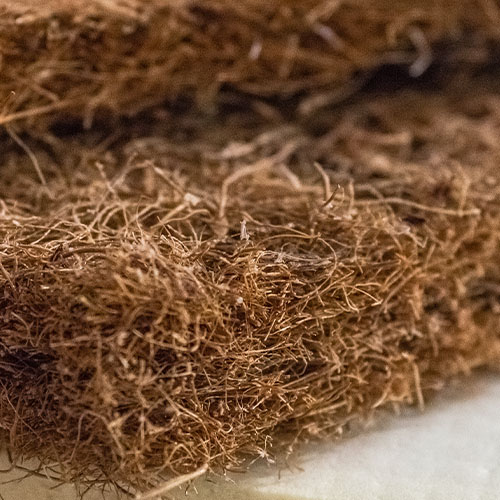
Coconut Fibre (Coco Coir)
Overview: Coconut fibre, often sold as coco coir, is a popular substrate choice for many amphibians. It is made from the husk of coconuts and is an environmentally friendly option.
Pros:
- Excellent moisture retention, helping maintain high humidity levels.
- Soft and natural, providing a safe surface for toads to walk on.
- Digestible in small amounts, reducing the risk of impaction if ingested.
- Supports plant life, making it suitable for bioactive setups.
- Inexpensive and widely available.
Cons:
- Needs regular misting to maintain humidity.
- Can become waterlogged if not managed properly, which can lead to fungal growth or bacteria.
Best For: Fire-bellied toads kept in high-humidity enclosures with live plants.
Sphagnum Moss
Overview: Sphagnum moss is a natural product often used to maintain moisture in reptile and amphibian enclosures.
Pros:
- Holds moisture very well, making it excellent for maintaining humidity.
- Provides a soft, comfortable surface for toads.
- Can be used as part of a bioactive setup.
- Adds to the natural aesthetic of a terrarium.
Cons:
- Should be used in combination with another substrate (such as coconut fibre) for best results, as it does not offer structural stability on its own.
- Needs to be replaced regularly, as it can harbour mould and bacteria if kept too wet.
Best For: Humidity control in bioactive or semi-natural enclosures, especially in combination with other substrates.
Peat Moss
Overview: Peat moss is a popular substrate for its ability to retain moisture and its use in plant growth.
Pros:
- Holds moisture effectively, helping to maintain a humid environment.
- Natural and safe for toads if ingested in small quantities.
- Suitable for use in a bioactive terrarium.
- Provides a soft surface, ideal for amphibians that spend time on both land and water.
Cons:
- Over time, peat moss breaks down and becomes compacted, making it harder to maintain cleanliness.
- Sourcing peat moss sustainably can be a concern, as its harvesting can contribute to environmental damage.
Best For: Bioactive setups or naturalistic enclosures with a focus on moisture retention.
Topsoil
Overview: Plain, pesticide-free topsoil is another option, especially for naturalistic terrariums.
Pros:
- Affordable and widely available.
- Holds moisture moderately well, contributing to the humid environment required by fire-bellied toads.
- Supports plant life, making it a good choice for bioactive setups.
- Offers a natural appearance.
Cons:
- Must be free from chemicals, pesticides, and fertilisers, which can harm your toads.
- Can become muddy if over-saturated, making it difficult to clean and maintain.
- Requires monitoring to ensure it doesn’t harbour harmful bacteria or pests.
Best For: Naturalistic or bioactive enclosures where plant growth is desired.

Sand
Overview: Sand is generally not recommended as a primary substrate for fire-bellied toads due to the risk of impaction.
Pros:
- Can be used as a decorative element in small areas or in water features of a terrarium.
Cons:
- Poses a significant risk of impaction if the toads accidentally ingest it.
- Does not hold moisture well, making it unsuitable for maintaining a humid environment.
- Can be difficult to clean and maintain.
Best For: Use in small decorative areas, but not as a primary substrate.
Gravel
Overview: Gravel is sometimes used in fire-bellied toad enclosures, especially in the water portion of semi-aquatic setups.
Pros:
- Can provide a natural look in the water section of the enclosure.
- Easy to clean and maintain.
- Does not compact or harbour mould like some softer substrates.
Cons:
- Can be a choking hazard if the toads ingest it.
- Does not retain moisture, so it is unsuitable for use on land.
- Can make it difficult to plant vegetation.
Best For: Use in water features or as a bottom layer beneath a softer substrate.
Paper Towels
Overview: Paper towels are sometimes recommended as a substrate for young fire-bellied toads or temporary setups.
Pros:
- Very inexpensive and easy to replace.
- Hygienic, as it can be changed frequently to prevent the build-up of waste.
- Safe for toads, as there is no risk of ingestion.
Cons:
- Does not hold moisture well, making it difficult to maintain proper humidity levels.
- Does not look natural and is unsuitable for long-term enclosures.
- Does not support plants or microfauna.
Best For: Temporary setups, quarantine tanks, or young toads.
Reptile Carpet
Overview: Reptile carpet is a reusable, fabric-like material designed to be a safe and easy-to-clean substrate.
Pros:
- Can be easily removed, cleaned, and reused.
- No risk of impaction.
- Provides a soft surface for toads to move on.
Cons:
- Does not hold moisture well, making it harder to maintain humidity.
- Needs frequent cleaning to prevent the growth of bacteria and mould.
- Does not support plant growth or microfauna.
- Can look artificial and out of place in a naturalistic setup.
Best For: Toads in simple setups, where easy cleaning is a priority.
Creating a Bioactive Vivarium
If you’re interested in creating a bioactive vivarium for your fire-bellied toads, substrate choice becomes even more important. A bioactive setup involves using live plants and beneficial microorganisms (like springtails and isopods) to help break down waste and maintain the health of the environment.
For a bioactive setup, a layered substrate system works best:
Bottom Layer: Start with a drainage layer, typically composed of gravel or hydroballs, to prevent the substrate from becoming waterlogged.
Barrier: Place a mesh or other barrier on top of the drainage layer to prevent the upper substrate from mixing with it.
Top Layer: Use a mix of coconut fibre, peat moss, and topsoil to create a nutrient-rich substrate that supports plant growth and maintains humidity.
Leaf Litter: Add a layer of leaf litter on top of the substrate to provide a natural look and give hiding spots for the toads and microfauna.
This type of setup mimics the natural environment of fire-bellied toads and creates a self-sustaining ecosystem that requires less frequent cleaning and maintenance.

Substrate to Avoid
Certain substrates should be avoided altogether due to the risks they pose to your fire-bellied toads:
Calcium Sand: While marketed as a safe option for reptiles and amphibians, calcium sand can cause severe impaction if ingested.
Wood Shavings (e.g., Cedar or Pine): These can release harmful oils that are toxic to amphibians.
Artificial Turf: This substrate does not allow for the natural behaviours of fire-bellied toads and can create an unnatural environment.
Choosing the right substrate for your fire-bellied toads is a critical decision that affects their overall health and well-being. For most setups, a natural substrate like coconut fibre or a mix of topsoil, peat moss, and sphagnum moss will provide the ideal balance of moisture retention, safety, and aesthetic appeal. If you are creating a bioactive vivarium, be sure to use a layered substrate system that supports plants and microfauna.
Whichever substrate you choose, always ensure that it helps maintain the correct humidity levels and is free from harmful chemicals or additives. With the right substrate, your fire-bellied toads can thrive in a comfortable, healthy, and naturalistic environment.
References
Lemm, Jeffrey M. Amphibians in Captivity: Care and Reproduction of Amphibians in Captivity. TFH Publications, 1997.
de Vosjoli, Philippe, et al. Fire-Bellied Toads: Keeping and Breeding Them in Captivity. Advanced Vivarium Systems, 2006.
Stein, Darcy E. The Complete Guide to Fire-Bellied Toads. Barron’s Educational Series, 2014.
Mattison, Chris. The Care of Amphibians in Captivity. Blandford Press, 1992.
Henkel, Friedrich-Wilhelm, and Wolfgang Schmidt. Amphibians in Captivity: Care, Habitat, Breeding. TFH Publications, 2000.