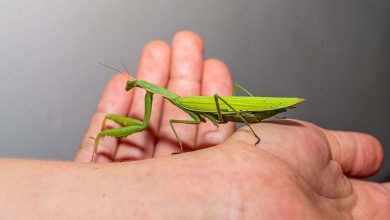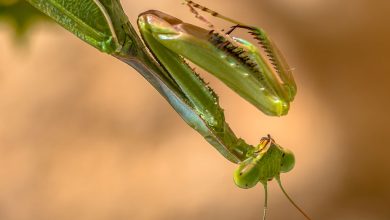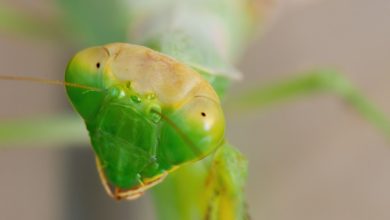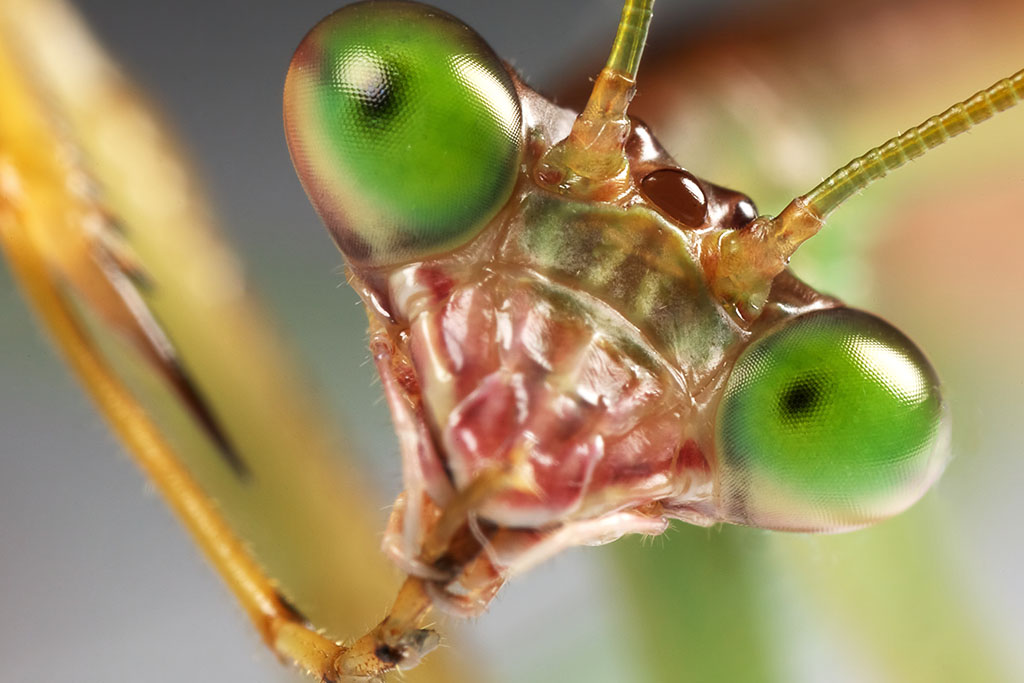
Mantises, with their unique appearance and predatory behaviours, have captivated the interest of both hobbyists and researchers alike. Keeping mantises requires not only a suitable enclosure but also an environment that mimics their natural habitat. One of the key aspects of maintaining a healthy mantis habitat is the choice of plants. This article explores the best plants for mantises, highlighting their benefits, care requirements, and how they contribute to an ideal environment for these fascinating insects.
Understanding Mantises and Their Habitat Needs
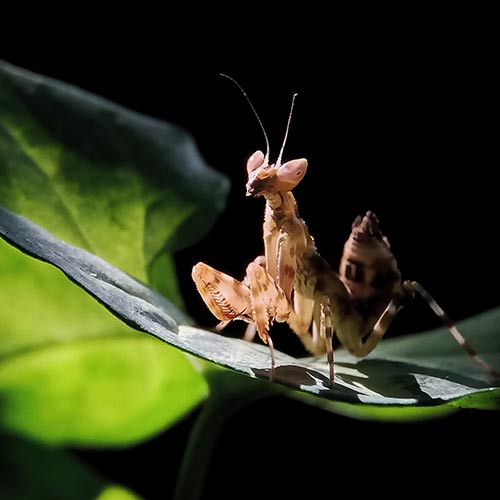
Mantises are found in a variety of habitats worldwide, including forests, grasslands, and shrublands. They are predominantly arboreal or shrub-dwelling, relying on plants for shelter, hunting grounds, and moisture. When selecting plants for mantises, it is crucial to consider their natural preferences. Mantises thrive in environments that provide adequate cover, humidity, and climbing opportunities.
Key Factors in Plant Selection
Growth Rate and Size: Fast-growing plants can quickly fill an enclosure, providing a naturalistic appearance and ample hiding spots. However, ensure they do not outgrow the enclosure.
Safety: Avoid plants that are toxic to mantises. Some common houseplants may be harmful, so research each species before introducing it to the enclosure.
Climbing Structure: Mantises are excellent climbers. Choose plants with sturdy stems and branches that provide ample space for them to roam and hunt.
Humidity Needs: Many mantis species require high humidity levels. Select plants that can retain moisture, helping to maintain humidity in the enclosure.
Light Requirements: Consider the lighting needs of both the plants and the mantises. Some mantis species prefer brighter environments, while others may thrive in lower light conditions.
Best Plants for Mantises
Here’s a list of some of the best plants for mantises, along with their characteristics and care requirements:
Spider Plant (Chlorophytum comosum)
- Description: Spider plants have long, arching leaves and produce offshoots known as “pups.”
- Benefits: They are non-toxic and can tolerate a range of humidity levels, making them suitable for various mantis species.
- Care: Prefers bright, indirect light. Water when the topsoil is dry.
Pothos (Epipremnum aureum)
- Description: Pothos features heart-shaped leaves and a climbing habit, making it ideal for mantis enclosures.
- Benefits: This plant is hardy, forgiving of neglect, and can thrive in low light and varying humidity.
- Care: Keep the soil moist but not waterlogged, and provide bright, indirect light for optimal growth.
Weeping Fig (Ficus benjamina)
- Description: This small tree has slender branches and glossy leaves, providing excellent cover.
- Benefits: Its dense foliage creates a perfect environment for mantises to hide and hunt.
- Care: Requires bright light and consistent moisture; avoid letting it dry out completely.
Dracaena spp.
- Description: Dracaena varieties have tall, narrow leaves that can provide vertical space for climbing.
- Benefits: They are robust and can adapt to a range of humidity levels, suitable for various mantis species.
- Care: Requires well-draining soil and moderate indirect light; water when the top inch of soil is dry.
Bamboo (Bambusa spp.)
- Description: Bamboo provides a naturalistic appearance and is excellent for climbing.
- Benefits: Its sturdy stalks allow mantises to perch and hide while offering a high humidity environment.
- Care: Prefers bright light and consistently moist soil; ensure good drainage to avoid root rot.
Hoya (Hoya spp.)
- Description: Hoyas are climbing plants with waxy, succulent leaves, known for their clusters of fragrant flowers.
- Benefits: Their climbing nature allows mantises to explore, and the thick leaves provide hiding spots.
- Care: Thrives in bright, indirect light and requires watering when the soil feels dry.
Snake Plant (Sansevieria trifasciata)
- Description: This hardy plant has upright, sword-like leaves and can tolerate various conditions.
- Benefits: While it offers less climbing space, its tough leaves can withstand a bit of wear and tear.
- Care: Prefers indirect light and minimal watering, making it ideal for those who may forget to water regularly.
Basil (Ocimum basilicum)
- Description: A fragrant herb, basil can thrive in a mantis habitat while also providing food if needed.
- Benefits: Its aromatic leaves can attract beneficial insects, which can be food for mantises.
- Care: Requires bright light and regular watering to keep the soil consistently moist.
Philodendron
- Description: With its large, heart-shaped leaves, the philodendron is a popular choice for many insect habitats.
- Benefits: Its climbing nature and lush foliage offer ample cover and hunting grounds for mantises.
- Care: Prefers indirect light and consistently moist soil; avoid letting it dry out completely.
Fern (e.g., Nephrolepis exaltata – Boston Fern)
- Description: Ferns have delicate, feathery leaves that create a lush environment.
- Benefits: They thrive in high humidity and can help maintain moisture levels in the enclosure.
- Care: Requires bright, indirect light and consistently moist soil.

Setting Up the Habitat
When setting up a mantis habitat with plants, consider the following steps:
Feeding: If the plants are edible, consider using them as a supplementary food source for your mantises. Always ensure that any insecticides or chemicals are avoided.
Choose the Right Enclosure: A terrarium or glass tank is ideal. Ensure it has adequate ventilation, as too much moisture can lead to mould growth.
Layer the Substrate: Use a substrate that retains moisture but allows for good drainage. A mixture of organic soil and coconut coir can work well.
Arrange the Plants: Position the plants to provide ample climbing surfaces and hiding spots. Place taller plants in the back and shorter ones in the front to create a layered look.
Monitor Temperature and Humidity: Maintain appropriate temperature (generally between 20-30°C) and humidity levels (40-70% depending on the species) using a hygrometer.
Regular Maintenance: Trim and prune the plants as needed to prevent overcrowding and ensure adequate airflow. Replace any dead or wilting foliage promptly.
Creating an ideal habitat for mantises requires careful consideration of plant selection and care. The plants chosen not only provide essential cover and climbing opportunities but also contribute to the overall health of the enclosure. By incorporating a variety of suitable plants, you can enhance the quality of life for your mantises, allowing them to thrive in a naturalistic environment.
Whether you’re a seasoned enthusiast or a beginner, the right plants will help you create a stunning and functional habitat for your mantises.
References
Vickery, V. (2021). Plants for Insect Terrariums. Plant Lovers’ Press.
Dando, M. (2016). Mantids: A Complete Care Guide. Ecozone Publishing.
Mantis Place. (n.d.). Mantis Care. MantisPlace.com
Evans, A. (2015). The Ultimate Guide to Keeping Mantises. Pet Care Publishing.
Carstens, D. (2018). Terrarium Plants: The Best Choices for Your Insects. Green Thumb Publications.
Reptile Magazine. (2020). Creating the Perfect Habitat for Mantids. ReptileMagazine.com
Lutz, C. (2019). A Beginner’s Guide to Insect Care: Mantises and More. Insect Press.
Smith, J. (2017). The Complete Guide to Insects: Habitats, Care, and Nutrition. Bug Books.