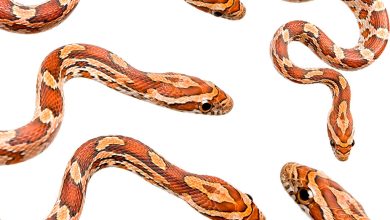
Corn snakes (Pantherophis guttatus) are one of the most popular pet snakes due to their manageable size, docile nature, and vibrant colour patterns. If you are a new owner or considering getting a corn snake, understanding their dietary needs and establishing an effective feeding schedule is crucial for their health and well-being. This article will provide a comprehensive guide on how to create the ideal feeding schedule for your corn snake, including information on diet, feeding frequency, and general care.
Understanding the Corn Snake’s Diet
Natural Diet
In the wild, corn snakes are opportunistic feeders that primarily consume rodents, such as mice and rats. They may also eat birds and other small animals, depending on availability. The diet of a corn snake varies with age, size, and activity level. It’s essential to replicate this natural diet as closely as possible in captivity to ensure optimal health.
Nutritional Requirements
Corn snakes require a balanced diet that includes:
- Protein: The primary component of a corn snake’s diet is protein, derived from whole prey. Mice and rats are the most common choices, but other small mammals can also be included.
- Vitamins and Minerals: Essential nutrients such as calcium and vitamin D3 are crucial for bone health and metabolic function. If feeding pre-killed or frozen prey, consider dusting the food with a calcium supplement before feeding.
- Moisture: Snakes obtain moisture from their prey, but it is also essential to provide a fresh water source at all times.

Prey Size
Choosing the right prey size is critical. A general guideline is to feed prey that is about the same diameter as the widest part of the snake’s body. Feeding prey that is too large can lead to regurgitation and other health issues.
Establishing a Feeding Schedule
Age and Size Considerations
The feeding schedule for your corn snake will largely depend on its age and size:
- Hatchlings (0–6 months):
- Feeding Frequency: Every 5–7 days.
- Prey Size: Pinkie mice or similar small prey.
- Notes: Young snakes grow quickly, and frequent feeding supports this growth.
- Juveniles (6 months to 2 years):
- Feeding Frequency: Every 7–10 days.
- Prey Size: Fuzzy or hopper mice.
- Notes: As the snake matures, it requires less frequent feeding.
- Adults (2 years and older):
- Feeding Frequency: Every 10–14 days.
- Prey Size: Adult mice or small rats.
- Notes: Adult corn snakes can be fed less frequently as their growth stabilises.
Monitoring Health and Weight
Regular monitoring of your corn snake’s health and weight is vital to adjust the feeding schedule accordingly. A healthy snake should have a well-defined shape without any signs of obesity or malnutrition. If you notice significant weight loss or gain, consult a veterinarian to discuss dietary adjustments.
Thawing Frozen Prey

- It is essential to thaw frozen items properly. Here’s how:
- Thawing: Place the frozen prey in a sealed bag and submerge it in warm water for about 30 minutes. Alternatively, you can thaw it in the refrigerator overnight.
- Heating: Once thawed, use a heat source, such as a hairdryer or a warm water bath, to warm the prey to room temperature before feeding. Snakes prefer warm prey, which mimics the temperature of live animals.
Feeding Techniques
- Handling: Always handle your snake gently before feeding to minimise stress. Avoid sudden movements, and allow it to acclimate to your presence.
- Feeding Container: Use a separate feeding container to avoid stress and potential substrate ingestion. This container should be spacious enough for your snake to move comfortably.
- Feeding Time: Choose a consistent time for feeding, preferably in the evening or at night when corn snakes are most active. This routine can help your snake anticipate feeding times and reduce anxiety.
Post-Feeding Care
After feeding, it’s essential to monitor your corn snake’s behaviour. Here are some tips:
- Avoid Handling: Do not handle your snake for at least 24 hours after feeding to prevent regurgitation.
- Temperature and Environment: Ensure the enclosure maintains appropriate temperatures (warm side: 27-32°C; cool side: 21-24°C) and humidity levels (40-60%) to aid digestion.
Signs of Feeding Issues

Regurgitation
Regurgitation is a common issue that can arise from overfeeding, feeding too large prey, or handling the snake shortly after feeding. Signs include:
- Unusual behaviour (restlessness or lethargy).
- Vomiting food shortly after eating.
- An empty stomach upon inspection.
If your snake regurgitates food, allow it to rest for at least a week before attempting to feed again. Consult a veterinarian if regurgitation occurs frequently.
Refusal to Eat
A corn snake may refuse to eat for various reasons, including:
- Stress from a recent change in environment.
- Illness or parasites.
- Shedding, which may cause temporary loss of appetite.
If your snake refuses to eat for more than two weeks, seek veterinary advice to rule out health issues.
Creating an ideal feeding schedule for your corn snake is essential for its health and well-being. By understanding its dietary requirements, establishing a suitable feeding routine, and monitoring its health, you can ensure your snake thrives in captivity. Remember to provide a varied diet, choose the appropriate prey size, and maintain a consistent feeding schedule tailored to your snake’s age and size.
Proper care and attention to detail will help you foster a strong bond with your corn snake and ensure a long, healthy life.
References
Pettitt, T. (2019). Corn Snake Care: The Ultimate Guide. Reptiles Magazine. reptilesmagazine.com.
Hargrove, C. (2020). Understanding the Feeding Habits of Corn Snakes. Journal of Herpetology. herpetologyjournal.com.
Ryan, A. (2021). Feeding Your Pet Snake: Best Practices. The Snake Keeper’s Handbook. snakekeepershandbook.com.
Smith, B. (2022). Nutrition and Feeding of Captive Snakes. Reptile Care Publications. reptilecarepublications.com.
Tetzlaff, R. (2023). A Comprehensive Guide to Corn Snake Diet and Nutrition. Exotic Animal Care. exoticanimalcare.com.