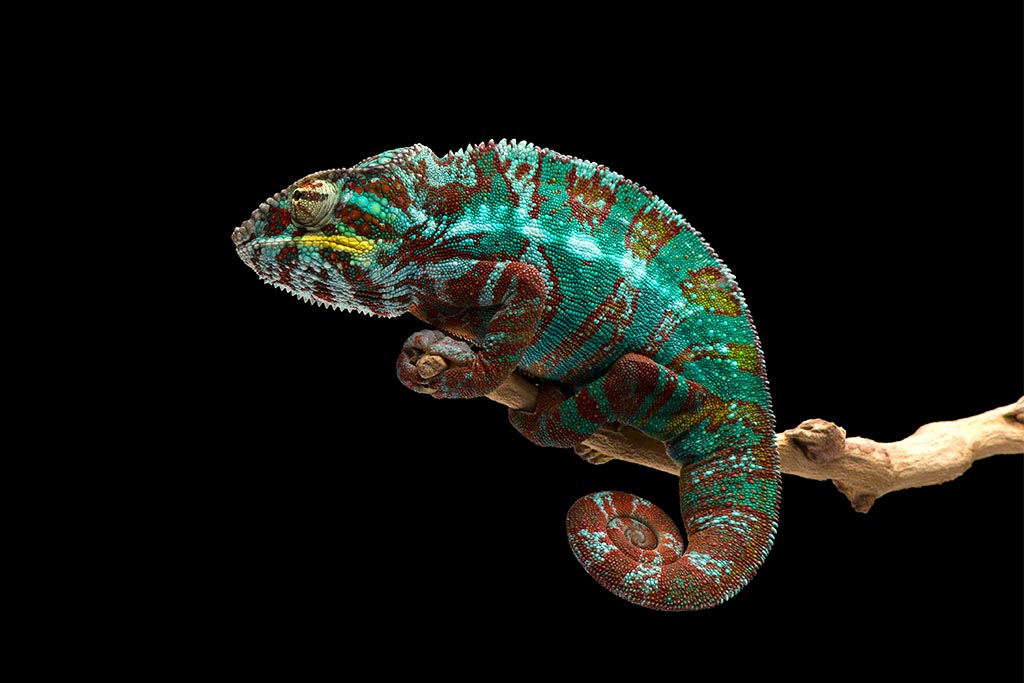
How Often Should You Clean Your Panther Chameleon Vivarium?

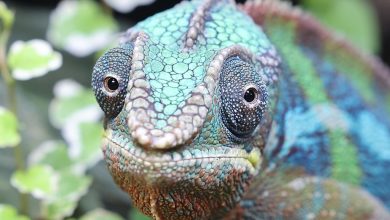
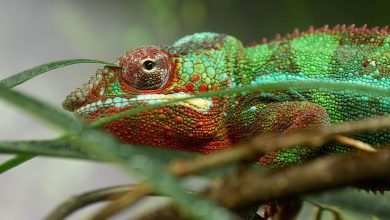
Panther chameleons (Furcifer pardalis) are stunning reptiles known for their vibrant colours and unique personality. They are popular pets among reptile enthusiasts, but caring for them requires more than just providing the right habitat and diet; maintaining a clean vivarium is crucial for their health and well-being. This article explores how often you should clean your Panther chameleon vivarium, discussing the importance of cleanliness, routine cleaning tasks, and factors influencing cleaning frequency.
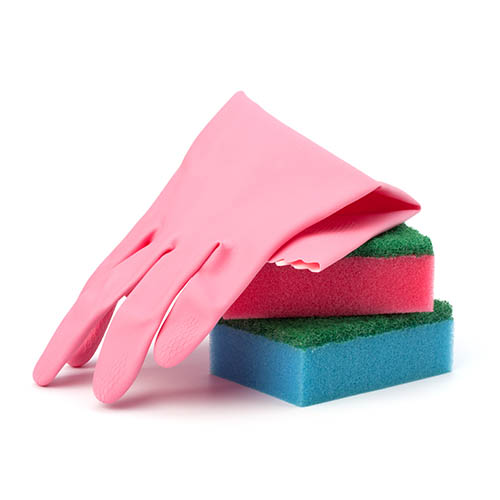
Understanding the Importance of Vivarium Cleanliness
A clean vivarium is vital for the following reasons:
- Health and Hygiene: A dirty vivarium can become a breeding ground for bacteria, parasites, and mould, all of which can lead to health problems for your chameleon. Regular cleaning helps reduce these risks and promotes a healthier environment.
- Stress Reduction: Chameleons are sensitive creatures that can become stressed in unclean environments. Excess waste and debris can lead to behavioural changes, such as decreased appetite or increased hiding.
- Aesthetic Appeal: A clean vivarium not only benefits your chameleon but also enhances the overall appearance of your living space. A well-maintained habitat allows you to enjoy observing your pet without the distraction of unpleasant odours or unsightly mess.
General Cleaning Guidelines
Cleaning your Panther chameleon vivarium should be approached with a balance between thoroughness and frequency. Here’s a breakdown of routine cleaning tasks and their recommended frequency:

Daily Cleaning Tasks
- Spot Cleaning: Every day, check the substrate and decor for any droppings or uneaten food. Use a scoop or tongs to remove waste immediately, preventing the accumulation of harmful bacteria.
- Water Maintenance: If you use a water dish, change the water daily to keep it clean and fresh. If your chameleon relies on misting for hydration, ensure that the misting system or manual misting doesn’t leave standing water that can lead to bacterial growth.
- Temperature and Humidity Checks: Monitor the temperature and humidity levels daily. This includes checking basking spots and hiding areas to ensure that they meet your chameleon’s needs.
Weekly Cleaning Tasks
- Deep Cleaning the Enclosure: Once a week, perform a more thorough clean. This involves:
- Removing all decor and substrate: Take out any plants, branches, and substrate to clean them separately.
- Cleaning Surfaces: Use a reptile-safe disinfectant or a mixture of vinegar and water to wipe down the interior surfaces of the vivarium. Avoid harsh chemicals, as these can be harmful to your chameleon.
- Rinsing and Replacing Decor: Rinse the decor and substrate with warm water, ensuring any remaining debris is removed. Allow them to dry completely before reintroducing them to the vivarium.
- Equipment Maintenance: Check your heating and lighting equipment for any dust or debris that may have accumulated. Clean or replace bulbs as needed to ensure optimal functioning.
Monthly Cleaning Tasks
- Substrate Replacement: Depending on the substrate used (e.g., coconut fibre, soil), you may need to completely replace it monthly or more frequently if it becomes soiled quickly.
- Full Vivarium Inspection: Perform a comprehensive check of the entire setup, including ventilation and any signs of wear or damage. Look for signs of mould or pests, which may require more immediate action.
Factors Influencing Cleaning Frequency
While the guidelines above provide a good starting point, several factors may influence how often you need to clean your Panther chameleon vivarium:
- Size of the Enclosure: Larger enclosures may require less frequent deep cleaning due to the increased space. However, spot cleaning should still be done daily.
- Number of Chameleons: If you house more than one chameleon, their waste will accumulate more quickly, necessitating more frequent cleaning.
- Humidity Levels: Higher humidity can lead to faster mould growth. If you live in a humid environment or mist your chameleon frequently, you may need to clean more often to prevent mould and bacteria.
- Diet: The type of food you offer your chameleon can also influence cleaning frequency. If they tend to leave uneaten food, you’ll need to clean more often to avoid spoilage.
- Health of the Chameleon: If your chameleon is unwell or recovering from an illness, maintaining a pristine environment is crucial to support their recovery.
Best Practices for Cleaning Your Vivarium

To ensure a thorough and safe cleaning process, consider these best practices:
- Use Reptile-Safe Products: Always opt for cleaning products specifically designed for reptile habitats or natural solutions, such as vinegar and water. Avoid bleach and ammonia-based cleaners.
- Wear Gloves: When cleaning the vivarium, especially when handling waste, wearing gloves can help prevent the spread of bacteria and parasites.
- Let the Vivarium Dry: After cleaning, ensure that the enclosure is dry before reintroducing your chameleon to prevent stress and health issues related to excess moisture.
- Keep a Cleaning Schedule: Maintain a regular cleaning schedule to keep track of daily, weekly, and monthly tasks. This will help you stay organised and ensure your chameleon’s habitat remains clean.
- Observe Your Chameleon’s Behaviour: If you notice changes in your chameleon’s behaviour, such as decreased activity or appetite, it could indicate an unclean habitat. Evaluate the cleanliness of the vivarium and make adjustments as needed.
Maintaining a clean vivarium for your Panther chameleon is essential for their health and well-being. By following a routine cleaning schedule, you can prevent the build-up of harmful bacteria and parasites while creating a comfortable environment for your pet. Remember to consider the factors that may influence cleaning frequency and adopt best practices to ensure a safe and healthy habitat. A clean vivarium not only enhances your chameleon’s quality of life but also allows you to enjoy the beauty and uniqueness of these fascinating creatures.
References
D. C. Anderson & L. M. Brindle. (2021). “Common Health Issues in Chameleons and Their Prevention.” Veterinary Clinics of North America: Exotic Animal Practice, vol. 24, no. 4, pp. 743-762.
R. D. McCarty. (2017). Caring for Chameleons: The Ultimate Guide to Panther Chameleons. Reptile Enthusiast Publications.
E. M. Smith. (2020). The Reptile Care Handbook: Chameleons and Beyond. New York: Reptile Press.
J. Williams. (2018). Chameleons: Keeping and Breeding Them in Captivity. London: Reptile World Publishing.
P. A. Thompson. (2019). “Maintaining a Healthy Vivarium.” Herpetological Review, vol. 50, no. 3, pp. 311-320.