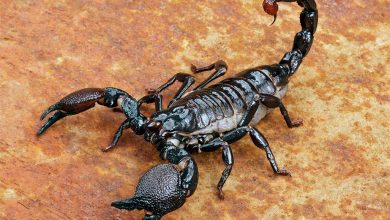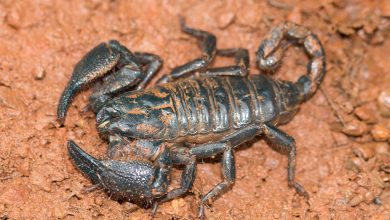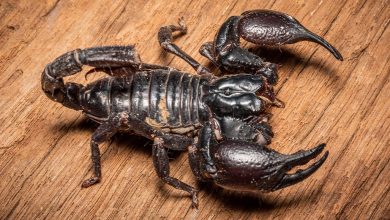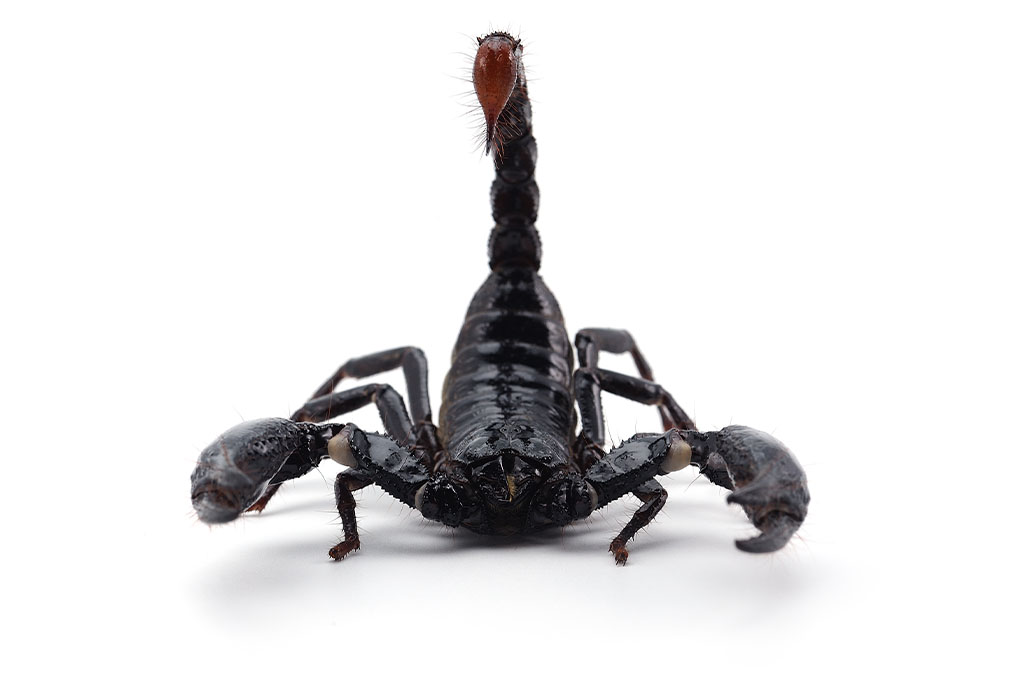
Emperor scorpions (Pandinus imperator) are among the largest and most popular scorpion species kept as pets. Their striking appearance, relatively docile nature, and fascinating behaviours make them a favourite choice for both novice and experienced keepers. However, proper care is essential to ensure their health and wellbeing. This article outlines the top ten essential supplies needed for keeping Emperor scorpions successfully in captivity.
Enclosure

The first and foremost requirement for keeping Emperor scorpions is a suitable enclosure. A glass or plastic terrarium with proper ventilation is ideal. The size of the enclosure depends on the number of scorpions being housed. For a single adult Emperor scorpion, a 24 inch long enclosure (10 to 20-gallon tank) is sufficient. The enclosure should be at least 12 inches tall to allow for burrowing, as these scorpions are naturally fossorial.
Key Features:
- Secure lid to prevent escape.
- Adequate ventilation to prevent humidity build-up.
- Dimensions: At least 12 inches in height for burrowing.
Substrate
The substrate plays a crucial role in replicating the natural habitat of Emperor scorpions. A deep layer of substrate is essential, as these scorpions love to burrow. A mixture of coconut coir, peat moss, and potting soil can create an ideal environment. Aim for a substrate depth of at least 4 to 6 inches.
Considerations:
- Ensure the substrate is free of chemicals and pesticides.
- Keep it moist but not soggy to aid burrowing and maintain humidity levels.
Hiding Spots
Emperor scorpions are nocturnal creatures that seek shelter during the day. Providing hiding spots in the enclosure is vital for their comfort and wellbeing. Natural materials such as cork bark, stones, or commercially available reptile hides can be used. These hiding spots should be strategically placed around the enclosure to give the scorpion options.
Recommendations:
- Use a variety of hiding spots to simulate a natural environment.
- Ensure hiding spots are spacious enough for the scorpion to retreat comfortably.
Water Dish
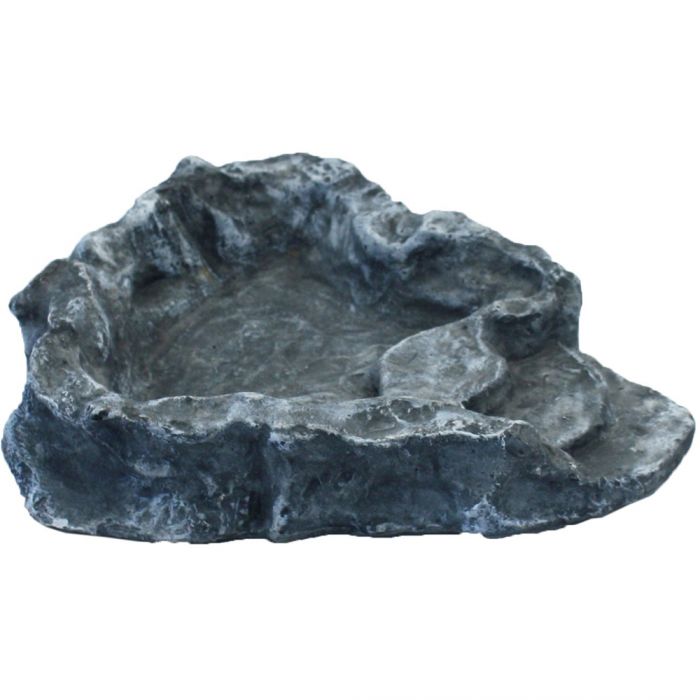
While Emperor scorpions obtain most of their moisture from their food, providing a shallow water dish is essential. The dish should be large enough for the scorpion to drink from but shallow to prevent drowning. Change the water regularly to keep it clean and fresh.
Water Dish Tips:
- Use a ceramic or plastic dish that is easy to clean.
- Position the dish in a location that does not disturb the scorpion’s hiding spots.
Heating Equipment
Emperor scorpions thrive in warm temperatures, typically between 24°C to 30°C (75°F to 86°F). A heat mat or under-tank heater can provide the necessary warmth. Position the heating source on one side of the enclosure to create a temperature gradient, allowing the scorpion to choose its preferred temperature.
Heating Equipment Guidelines:
- Use a thermostat to regulate the temperature and prevent overheating.
- Monitor the temperature regularly with a reliable thermometer.
Humidity Control
Maintaining appropriate humidity levels is crucial for the health of Emperor scorpions. They thrive in a humidity range of 70% to 85%. A hygrometer can help monitor humidity levels, and misting the enclosure periodically can help maintain humidity. However, care should be taken not to over-mist, as excessive moisture can lead to mould growth.
Humidity Maintenance Strategies:
- Use a hygrometer to monitor humidity levels.
- Mist the substrate and enclosure lightly, allowing it to dry between misting sessions.
Food and Feeding Supplies
Emperor scorpions are carnivorous and primarily feed on insects. Common food items include crickets, mealworms, and roaches. It’s essential to provide appropriately sized prey; for adult Emperor scorpions, the prey should not exceed the size of their claws.
Feeding Recommendations:
- Dust insects with calcium and vitamin supplements before feeding.
- Feed adults every 7 to 10 days, while younger scorpions may require more frequent feedings.
Supplementation
To ensure a balanced diet and promote healthy growth, it’s beneficial to supplement the diet of Emperor scorpions with vitamins and minerals. Calcium and vitamin D3 supplements are essential, particularly for young scorpions.
Supplementation Tips:
- Use powdered supplements to dust live prey before feeding.
- Follow the instructions on the supplement packaging to avoid over-supplementation.
Thermometer and Hygrometer
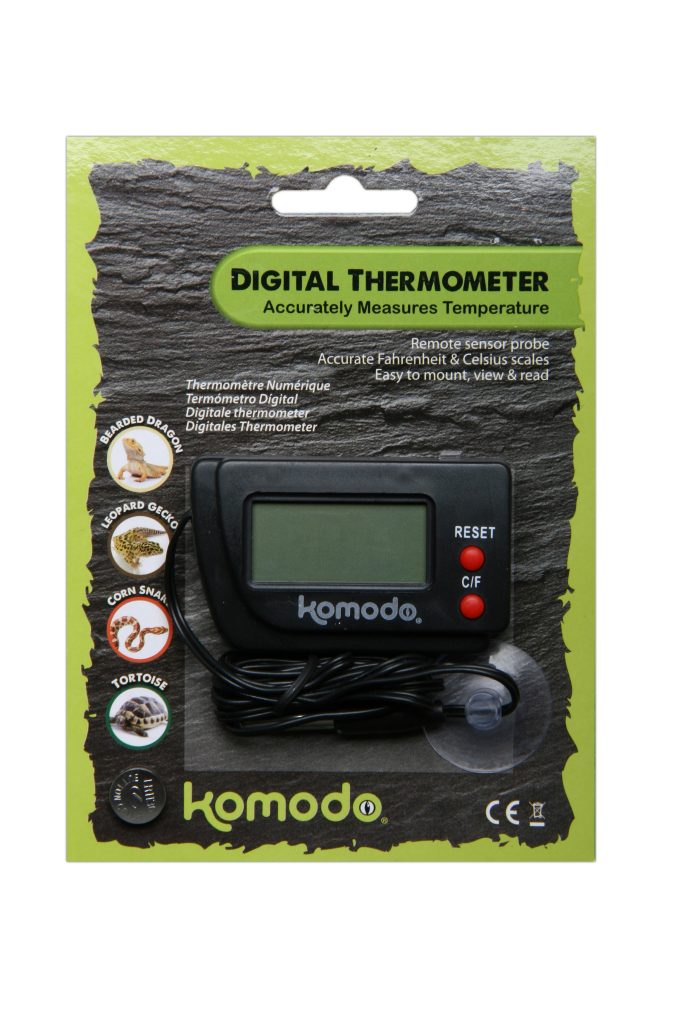
Accurate monitoring of temperature and humidity is vital for the health of Emperor scorpions. A combined thermometer and hygrometer can provide real-time readings and help maintain optimal living conditions. Digital models often offer more accurate readings and can be easier to read than traditional analog versions.
Monitoring Tools:
- Regularly check readings to ensure conditions remain stable.
- Place the thermometer in the warm area and the hygrometer where the scorpion spends most of its time.
Cleaning Supplies
Maintaining a clean habitat is crucial for the health of your Emperor scorpion. Regular cleaning prevents the build-up of waste, mould, and bacteria. Supplies needed for cleaning include:
- Scoop or Tongs: For removing waste and uneaten food.
- Soft Brush: To clean the substrate gently.
- Disinfectant: Ensure it is safe for reptiles and scorpions to avoid harmful residues.
Cleaning Tips:
- Perform spot cleaning weekly and a full enclosure clean every month.
- Remove uneaten food promptly to prevent attracting pests.
Keeping Emperor scorpions can be a rewarding experience, but it requires careful attention to their specific needs. By providing a suitable enclosure, maintaining the right temperature and humidity levels, and ensuring a balanced diet, you can create a thriving environment for these fascinating creatures. With the right supplies and knowledge, you can enjoy the beauty and uniqueness of Emperor scorpions while ensuring their health and wellbeing.
References
Scherberich, M., & Boehm, J. (2013). Keeping Scorpions: A Guide to Scorpion Care. Reptiles Magazine.
Hargreaves, A., & Papas, R. (2019). The Complete Guide to Scorpions. Urban Wildlife.
Ferretti, L. (2018). Scorpions: Biology, Ecology and Behaviour. Cambridge University Press.
Yager, J. (2014). Scorpion Care and Maintenance. Herpetological Review.
Mott, J. (2020). “How to Keep Emperor Scorpions: An Overview.” Reptile Forums UK.