Creating a Bioactive Enclosure for Your Fire Salamander
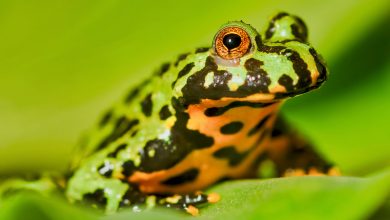
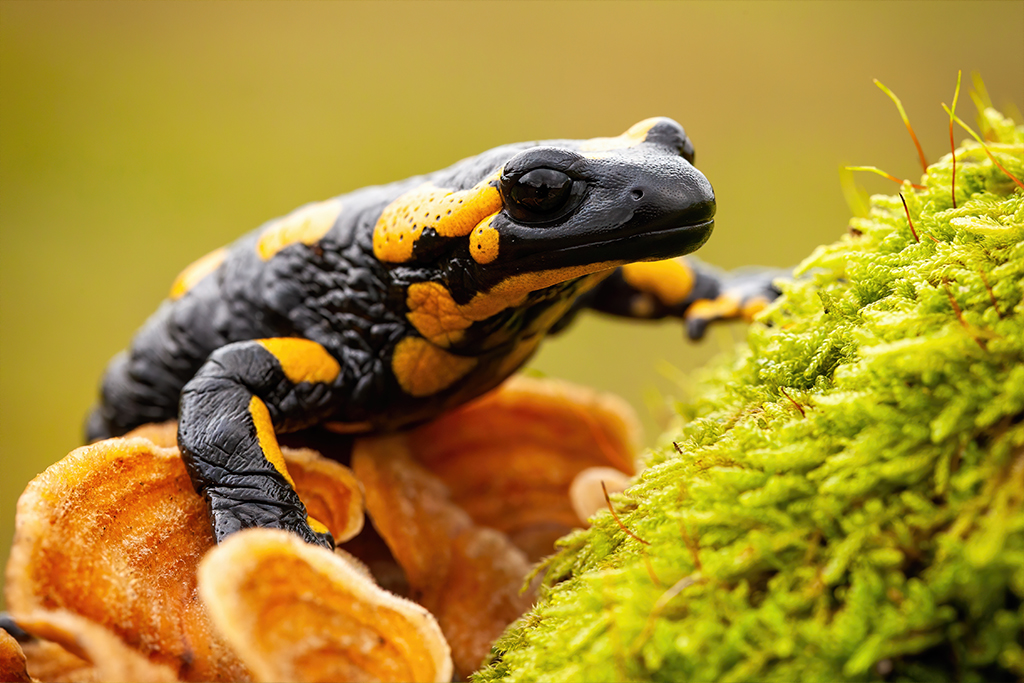
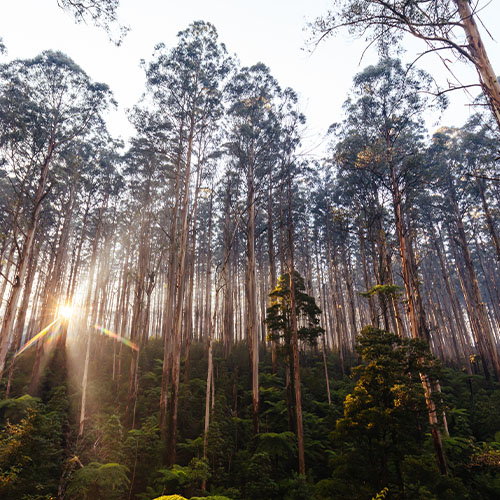
Fire salamanders (Salamandra salamandra) are fascinating amphibians known for their vibrant black and yellow or orange coloration. Native to Europe, these creatures thrive in moist, forested environments where they can find ample cover and humidity.
As amphibians, fire salamanders are sensitive to their surroundings, making it essential to provide them with a suitable habitat in captivity. A bioactive enclosure mimics their natural environment, promoting a healthy ecosystem for your pet. This article will guide you through the process of creating a bioactive enclosure for your fire salamander.
Understanding Bioactive Enclosures
A bioactive enclosure is a self-sustaining ecosystem that incorporates live plants, microfauna, and substrate to create a balanced environment. This type of setup benefits the inhabitants by providing natural behaviours, promoting health, and reducing the need for regular cleaning. The living organisms within the enclosure contribute to waste breakdown, moisture retention, and overall ecosystem stability.
Benefits of a Bioactive Enclosure
Natural Behaviours: Fire salamanders are natural diggers and explorers. A bioactive setup allows them to exhibit these behaviours, contributing to their overall well-being.
Improved Humidity Control: The plants and substrate in a bioactive enclosure help regulate humidity levels, which is crucial for the health of amphibians.
Natural Filtration: Beneficial microorganisms in the substrate break down waste products, reducing the risk of harmful bacteria and keeping the enclosure clean.
Reduced Maintenance: With a bioactive system, you’ll find that the enclosure requires less frequent cleaning, as the ecosystem helps maintain balance.
Setting Up Your Bioactive Enclosure
Creating a bioactive enclosure for your fire salamander involves several key steps, from choosing the right container to selecting appropriate plants and substrates.
Choosing the Right Enclosure
The first step is selecting a suitable enclosure. Fire salamanders can thrive in various container types, including glass terrariums, plastic vivariums, or custom-built enclosures. Here are some considerations:
- Size: A minimum of 60 litres (15 gallons) is recommended for a single fire salamander, with larger sizes preferred for multiple inhabitants.
- Ventilation: Ensure the enclosure has adequate ventilation to prevent stagnant air and excess humidity, which can lead to mould growth.
- Accessibility: Choose an enclosure that allows for easy access to the inside for maintenance, feeding, and handling.
Creating the Substrate Layer
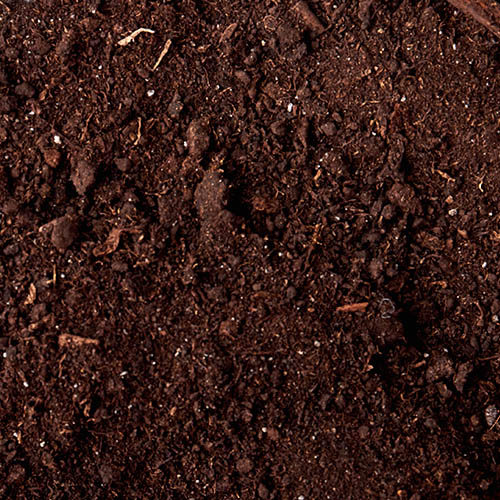
The substrate is a vital component of your bioactive enclosure, serving as the foundation for plants and microfauna. A suitable substrate should retain moisture while allowing for drainage. Here’s how to create a healthy substrate layer:
Microfauna: Introduce beneficial microfauna, such as springtails (Collembola) and isopods (e.g., pillbugs), to aid in waste decomposition. These tiny creatures help break down organic matter and serve as a food source for your salamander.
Base Layer: Start with a drainage layer of clay balls or activated charcoal to prevent water from accumulating at the bottom. This layer should be about 2-5 cm deep.
Soil Layer: On top of the drainage layer, add a mixture of organic potting soil and coconut coir or peat moss. This layer should be about 5-10 cm deep, providing a rich environment for plant roots.
Selecting Plants
Choosing the right plants is crucial for creating a bioactive enclosure. Look for species that can tolerate high humidity and low light. Some suitable plant choices for a fire salamander enclosure include:
- Ferns: Species like the Boston fern (Nephrolepis exaltata) or maidenhair fern (Adiantum) thrive in moist environments and provide cover.
- Moss: Live moss, such as sheet moss (Hypnum), helps retain moisture and creates a natural aesthetic.
- Pothos: Pothos (Epipremnum aureum) is an adaptable houseplant that grows well in various conditions and contributes to the enclosure’s greenery.
- Spider Plant: This hardy plant (Chlorophytum comosum) is easy to care for and can withstand varying light and humidity levels.
When planting, ensure you create hiding spots and climbing opportunities for your salamander. Avoid using any plant treated with pesticides or chemicals.
Incorporating Hiding Places and Decor
Fire salamanders require hiding spots to feel secure in their environment. You can use various materials to create these spaces:
Cork Bark: Natural cork bark pieces can be arranged to form tunnels and caves.
Rocks and Stones: Use smooth stones or slate to create hiding areas and add to the natural appearance of the enclosure.
Branches: Incorporate branches or driftwood for climbing and exploring.
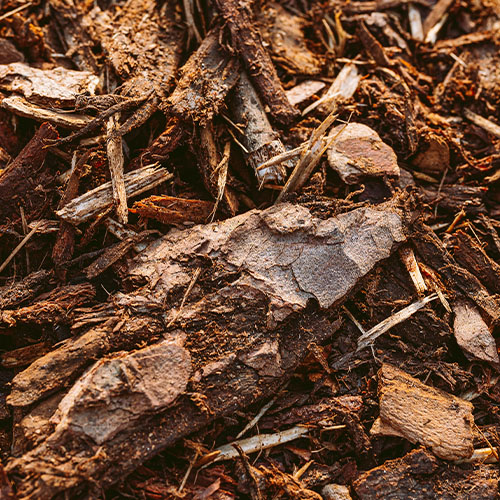
Leaf Litter: A layer of leaf litter not only adds to the natural aesthetic but also serves as a substrate for microfauna.
Ensure that all decorations are non-toxic and free from harmful chemicals.
Maintaining Humidity and Temperature
Fire salamanders prefer a humid environment, with humidity levels around 60-80%. Maintaining these levels is crucial for their health. Here are some tips for controlling humidity and temperature:
- Water Source: Provide a shallow water dish for drinking and soaking. Ensure the water is dechlorinated and changed regularly.
- Misting: Regularly mist the enclosure to maintain humidity levels. Use a spray bottle or a misting system for convenience.
- Heating: Fire salamanders prefer cooler temperatures, ideally between 15-20°C (59-68°F). Use a thermostat-controlled heat mat under one side of the enclosure for a temperature gradient if necessary.
- Monitor Conditions: Use hygrometers and thermometers to regularly check humidity and temperature levels in the enclosure.
Introducing Your Fire Salamander
Once your bioactive enclosure is set up and stable, it’s time to introduce your fire salamander. Here are some tips for a smooth transition:
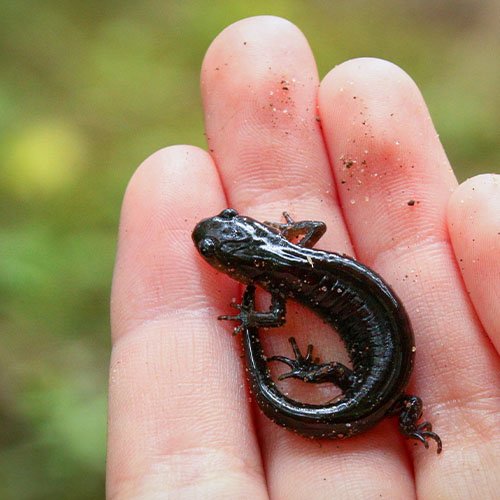
Acclimation: Allow your salamander to acclimate to its new environment gradually. You can place the container or bag with the salamander in the enclosure for about 30 minutes to an hour, allowing it to adjust to the new temperatures and humidity.
Observation: Monitor your salamander for signs of stress or health issues after introduction. Provide plenty of hiding spots to help it feel secure.
Feeding: Fire salamanders primarily eat live food, such as crickets, worms, and other insects. Ensure that the food is appropriately sized and dusted with calcium and vitamin supplements.
Long-Term Maintenance of the Bioactive Enclosure
Creating a bioactive enclosure is just the beginning. Long-term maintenance is crucial to ensuring a healthy environment for your fire salamander. Here are some key maintenance tasks:
- Monitor Microfauna: Keep an eye on the population of springtails and isopods. If their numbers dwindle, consider adding more to maintain balance.
- Prune Plants: Regularly trim any overgrown plants to maintain airflow and prevent overcrowding.
- Water Management: Check the water levels in the dish and the humidity in the enclosure regularly. Adjust misting frequency as needed.
- Spot Cleaning: While the bioactive setup reduces cleaning frequency, you may still need to remove uneaten food or waste occasionally.
- Observe Your Salamander: Regularly check for signs of health issues, such as lethargy, skin abnormalities, or changes in appetite. Early detection is essential for treatment.
Creating a bioactive enclosure for your fire salamander is a rewarding endeavour that replicates their natural habitat and promotes their health and well-being. By carefully selecting an appropriate enclosure, substrate, plants, and decor, you can establish a thriving ecosystem that supports your salamander’s natural behaviours. Remember that long-term maintenance and monitoring are key to a successful bioactive setup. With proper care, your fire salamander will flourish, providing you with years of enjoyment.
References
Kessler, S. N., & McCaffery, R. M. (2020). Amphibian Care Manual. 2nd ed. London: Reptile Publishing.
Bennett, M. (2018). “The Benefits of Bioactive Terrariums.” Herpetological Review, 49(3), 370-375.
Gluckman, L. (2019). “Creating a Naturalistic Habitat for Fire Salamanders.” Amphibian Conservation, 15(4), 100-106.
McMillan, D. (2017). Setting Up Your First Bioactive Enclosure: A Guide for Beginners. New York: Eco Press.
Smith, J. & Brown, T. (2021). “The Role of Microfauna in Bioactive Enclosures.” Journal of Herpetology, 55(1), 23-30.
Reptile Forums UK. (2022). “How to Create a Bioactive Vivarium.” Reptile Forums UK.
Tinsley, R. C., & Dijkstra, C. (2015). “Amphibian Ecology and Conservation: A Bioactive Approach.” Amphibia-Reptilia, 36(3), 295-303.