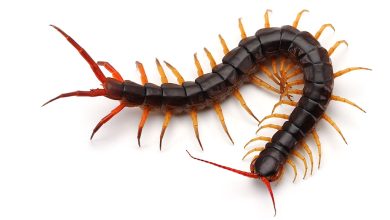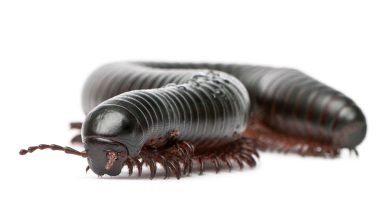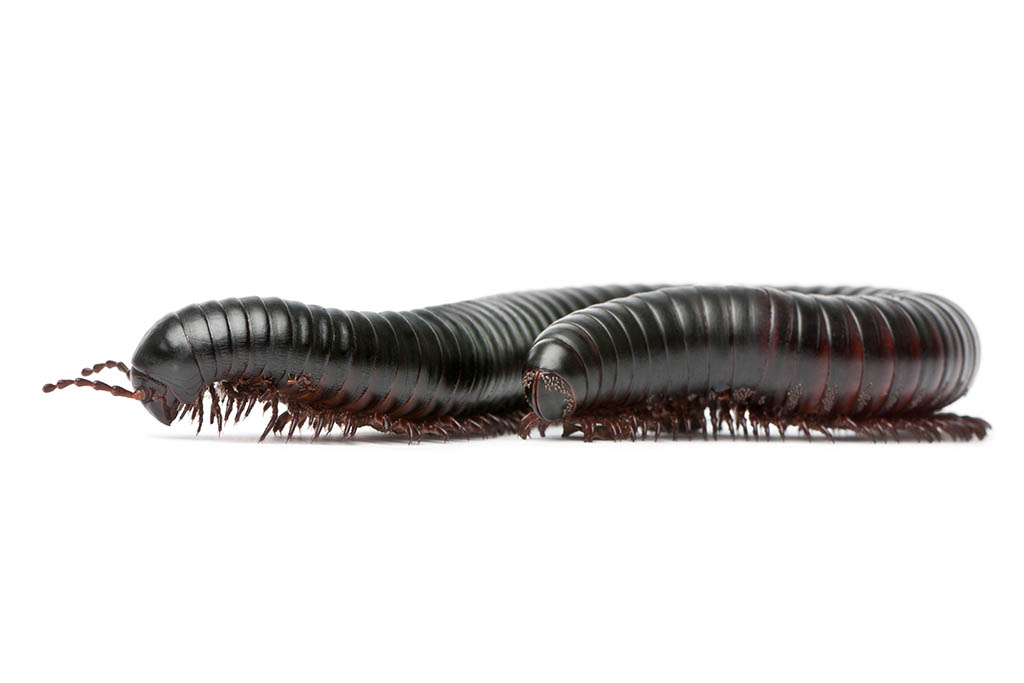
Giant African millipedes (Archispirostreptus gigas) are fascinating and popular pets for many enthusiasts of exotic invertebrates. These remarkable creatures, which can grow up to 30 cm in length, thrive in environments that mimic their natural habitat—moist, leaf-littered forest floors of tropical regions. Creating a suitable habitat for them requires careful consideration of both their dietary needs and the plants that will provide shelter, humidity, and a balanced ecosystem. This article explores the best plants for giant African millipedes, focusing on their requirements and how to cultivate these plants effectively in a vivarium.
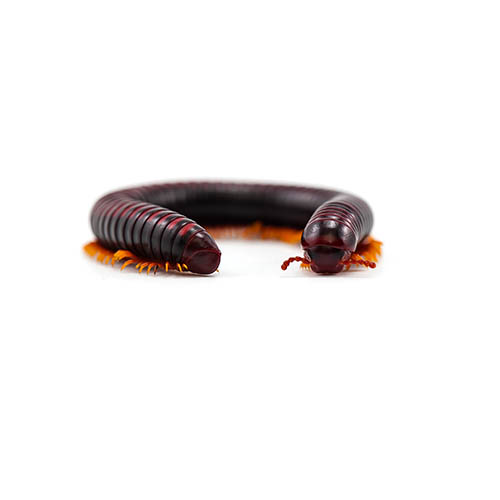
Understanding the Habitat Needs of Giant African Millipedes
Before delving into the best plant options, it’s essential to understand the natural habitat of giant African millipedes. They are detritivores, meaning their diet consists mainly of decomposing organic matter, including dead leaves, wood, and other plant material. This diet influences the types of plants that can be included in their habitat.
Giant African millipedes thrive in high-humidity environments, so it is crucial to select plants that can withstand such conditions while also contributing to the overall ecosystem. The chosen plants should provide hiding spots, moisture retention, and a food source, as some millipedes will graze on the softer parts of certain plants.
Ideal Conditions for Plant Growth
To ensure a healthy and thriving vivarium for giant African millipedes, the following conditions should be met:
Humidity: Maintaining a humidity level between 70% to 90% is crucial. Regular misting and a suitable substrate can help retain moisture.
Temperature: A temperature range of 20°C to 25°C (68°F to 77°F) is ideal, mimicking their native tropical environment.
Substrate: A mix of coconut coir, organic potting soil, and leaf litter provides an excellent substrate. This combination encourages beneficial microbial activity and improves moisture retention.
Lighting: Soft, indirect lighting is ideal, as millipedes are nocturnal and prefer darker environments.
The Best Plants for Giant African Millipedes
Several plant species are particularly well-suited for giant African millipede habitats. The following sections outline some of the best options, considering their compatibility with the millipedes’ needs.
Pothos (Epipremnum aureum)
Pothos, also known as devil’s ivy, is a hardy and adaptable plant that thrives in various conditions. It features heart-shaped leaves and can grow both in soil and water.
Benefits:
- Moisture Retention: Pothos helps maintain humidity levels in the enclosure.
- Ease of Care: This plant is low-maintenance and can tolerate neglect.
- Food Source: Millipedes can nibble on the leaves without causing significant damage.
Spider Plant (Chlorophytum comosum)
The spider plant is known for its long, arching leaves and small offshoots that resemble “spiders” hanging from the parent plant.
Benefits:
- Hardiness: Spider plants are resilient and can thrive in various conditions.
- Air Quality Improvement: They are effective at improving air quality, which benefits the overall environment.
- Non-Toxic: They are safe for millipedes if consumed.
Boston Fern (Nephrolepis exaltata)
Boston ferns are lush, feathery plants that prefer high humidity, making them an excellent choice for a millipede habitat.
Benefits:
- Humidity Regulation: They help maintain high humidity levels.
- Natural Look: The dense foliage provides excellent cover for millipedes, reducing stress.
- Soil Enrichment: The decaying leaves contribute organic matter to the substrate.
Peace Lily (Spathiphyllum spp.)
Peace lilies are well-known for their striking white blooms and glossy green leaves. They thrive in moist environments and can tolerate low light.
Benefits:
- Aesthetic Appeal: Their beautiful flowers add visual interest to the enclosure.
- Moisture Absorption: Peace lilies can help maintain humidity levels.
- Food Source: Millipedes can safely consume the leaves.
Ficus (Ficus elastica)
Ficus elastica, commonly known as rubber plant, is a popular indoor plant that can adapt well to vivarium conditions.
Benefits:
- Leaf Variety: The large leaves provide both cover and a potential food source.
- Humidity Tolerance: Ficus prefers humid environments, making it suitable for millipede habitats.
- Resilience: It is relatively easy to care for and can tolerate some neglect.
Bamboo (Bambusoideae)
Bamboo is a fast-growing plant that can add height and structure to a millipede enclosure.
Benefits:
- Shelter: The dense growth offers ample hiding spots for millipedes.
- Food Source: Young shoots can be consumed by millipedes, providing additional nutrition.
- Aesthetic Appeal: Bamboo adds a unique look to the vivarium.
African Violets (Saintpaulia)
These small, flowering plants are native to Tanzania and can thrive in humid conditions.
Benefits:
- Beautiful Flowers: Their vibrant blooms can enhance the visual appeal of the enclosure.
- Moisture Retention: They enjoy high humidity, making them a suitable companion for millipedes.
- Nutritional Value: Millipedes may nibble on the leaves without harmful effects.
Orchids (Orchidaceae)
While many orchids require specific care, some species, like the Phalaenopsis, can thrive in a humid environment and offer a unique aesthetic.
Benefits:
- Stunning Appearance: Orchids can add a touch of elegance to the habitat.
- Humidity Lovers: They thrive in high-humidity environments, aligning with millipede needs.
- Low Maintenance: Many orchids are relatively easy to care for, provided they receive the right conditions.
Creating a Balanced Ecosystem
To ensure that the vivarium remains a healthy environment for giant African millipedes, it’s essential to maintain a balanced ecosystem. Here are some tips:
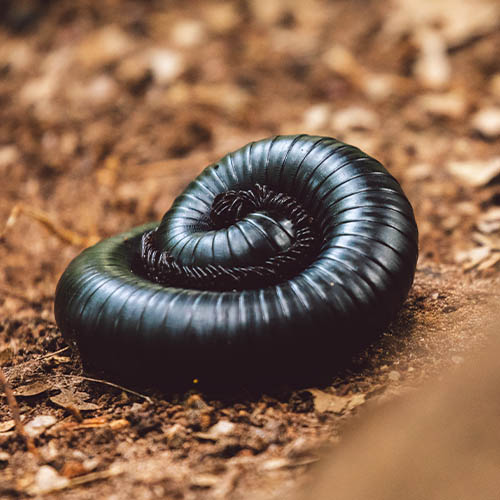
Diversity of Plants: Including a variety of plants can create a more stable environment, providing different microhabitats and food sources for the millipedes.
Regular Maintenance: Monitor plant health and remove any dead or decaying material to prevent mould growth and maintain a clean habitat.
Soil Health: Consider adding earthworms or beneficial bacteria to the substrate to aid in decomposition and nutrient cycling.
Watering Practices: Mist the enclosure regularly to maintain humidity, but avoid overwatering, which can lead to stagnant conditions.
Feeding Millipedes: Alongside the plant material, supplement their diet with leaf litter, fruits, and vegetables like carrots and cucumber to ensure a balanced diet.
Creating an ideal habitat for giant African millipedes involves careful selection of plants that contribute to their health and well-being. By choosing resilient species that thrive in high humidity and provide shelter and food, enthusiasts can create a thriving ecosystem for these remarkable invertebrates.
Incorporating a variety of plants, such as pothos, spider plants, and Boston ferns, will not only enhance the aesthetics of the vivarium but also support the millipedes’ natural behaviours and needs. With proper care and maintenance, your millipede habitat can flourish, providing a healthy environment for these captivating creatures.
References
Potter, C. (2018). The Complete Guide to Millipedes: Natural History, Care, and Feeding. Animal Planet.
Denny, M. (2009). Invertebrate Physiology: A Comparative Approach. Wiley-Blackwell.
Seymour, R. S., & M. J. K. (2014). Understanding the Ecology of Millipedes in Terrestrial Ecosystems. Cambridge University Press.
Hawkes, K. (2015). The Care of Giant African Millipedes. Pet Invertebrates. Pet Invertebrates.
Miklos, G. (2020). Building a Successful Vivarium for Millipedes. The Vivarium Journal. The Vivarium Journal.
Pine, K. (2017). Plants Suitable for Invertebrate Habitats. Invertebrate Conservation. Invertebrate Conservation.