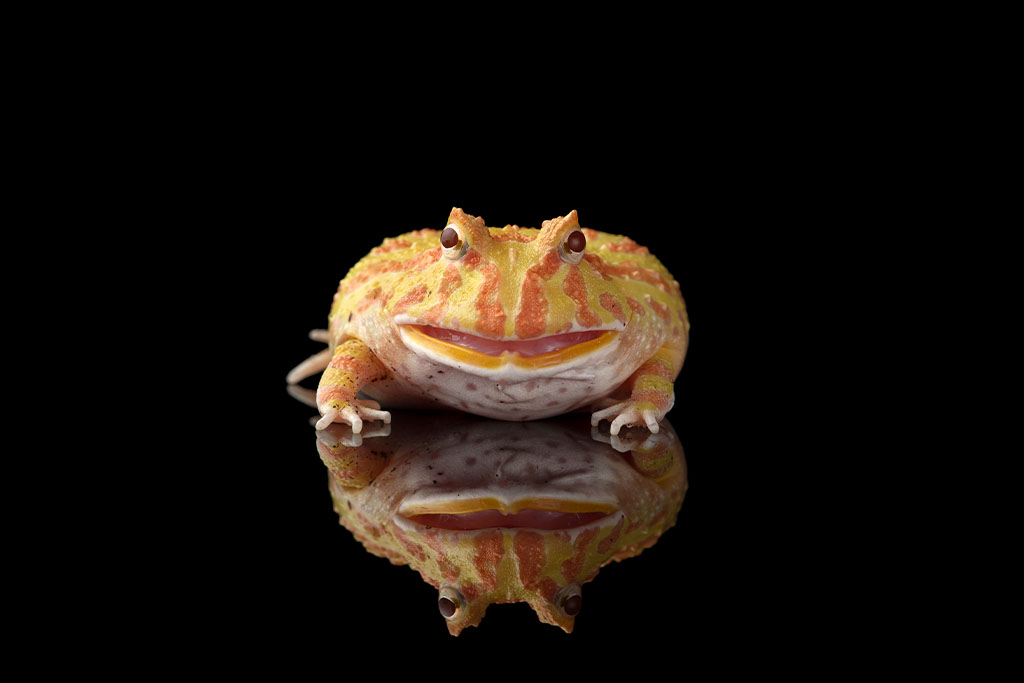
The Pacman frog, scientifically known as Ceratophrys, has gained immense popularity among amphibian enthusiasts for its unique appearance and fascinating behaviour. Named after the classic video game character “Pac-Man” due to its large mouth and rotund body, these frogs are both captivating and relatively easy to care for. Despite their relatively low-maintenance nature, it is essential for prospective owners to understand their specific requirements to ensure a healthy, happy frog. This beginner’s guide offers a detailed insight into Pacman frog care, covering aspects such as their habitat, diet, health, and behaviour.
Species Overview
Pacman frogs belong to the genus Ceratophrys, which consists of several species, such as the Ceratophrys ornata (Argentine horned frog), Ceratophrys cranwelli (Cranwell’s horned frog), and Ceratophrys cornuta (Surinam horned frog). These species are native to South American regions, particularly in countries such as Argentina, Brazil, and Paraguay. Their natural habitats include humid environments such as tropical and subtropical rainforests.
Pacman frogs are ambush predators that remain stationary for long periods, waiting for prey to come within striking distance. Their voracious appetite, striking colours, and relatively sedentary lifestyle make them an appealing choice for novice amphibian keepers.
Choosing a Pacman Frog
Before acquiring a Pacman frog, potential owners should consider factors like the frog’s species, age, and health. While most pet stores and breeders offer captive-bred frogs, ensuring that the frog has no visible signs of illness (such as lethargy, discoloured skin, or sores) is crucial. It’s also advisable to choose a juvenile frog, as they are easier to acclimate to a new environment than adults.
Pacman frogs typically reach adult size in about a year, growing between 4 to 7 inches in length. Females tend to be larger than males, with males generally growing to around 4 inches and females reaching 6 to 7 inches. Despite their size, they require a relatively modest living space, which brings us to the topic of habitat.
Setting Up a Pacman Frog Habitat
Pacman frogs spend the majority of their time burrowed in moist substrate or waiting for prey, so creating a habitat that mimics their natural environment is essential for their well-being.
Enclosure
A 45x 45 x 30cm terrarium (10-20 gallon tank) is suitable for a single adult Pacman frog. Given their sedentary lifestyle, they do not require a lot of vertical space. A tank with a secure lid is essential, as these frogs can jump despite their bulk. Glass or plastic terrariums are commonly used, but the enclosure should have good ventilation to prevent the build-up of harmful mould or bacteria.
Substrate
Pacman frogs thrive in moist, soft substrates that allow them to burrow. Coconut fibre (such as Eco Earth), sphagnum moss, pre-packed reptile soil mixes and plain soil (without chemicals or fertilizers) are excellent choices. The substrate should be kept damp but not waterlogged, as overly wet conditions can lead to health issues such as bacterial infections or “red leg syndrome.” The depth of the substrate should be at least 2-3 inches to accommodate the frog’s burrowing behaviour.
Temperature and Humidity

Pacman frogs are ectothermic, meaning they rely on external heat sources to regulate their body temperature. The ideal temperature range for these frogs is between 24°C to 29°C (75°F and 85°F) during the day and slightly cooler at night, around 21°C (70°F). To achieve this, a low-wattage heat mat placed under the tank (never inside it) is recommended. Avoid using heat lamps, as these can dry out the frog and substrate.
Humidity is equally important for Pacman frogs, with levels between 60% and 80% being ideal. To maintain proper humidity, mist the enclosure regularly using dechlorinated or distilled water. A hygrometer should be used to monitor humidity levels, and a shallow water dish can be provided for soaking, though it should be shallow enough to prevent drowning.
Lighting
Pacman frogs do not require UVB lighting, though a low-wattage light can be used to mimic a day-night cycle. If you decide to use lighting, ensure it is not too intense, as these frogs are sensitive to bright lights. Typically, a 12-hour light cycle is sufficient to replicate their natural environment.
Décor
While Pacman frogs don’t require elaborate tank decorations, providing a few hides or plants (real or artificial) can make the enclosure more enriching. The substrate should be the primary focus, but you can also add smooth rocks or branches to add variety. Be cautious with live plants, as the frog may disturb them while burrowing.
Feeding Your Pacman Frog
Pacman frogs are notorious for their voracious appetites. In the wild, they consume a variety of prey, including insects, small mammals, and even other amphibians. In captivity, their diet should primarily consist of live insects such as crickets, locusts, roaches, and earthworms. As they grow, they can also be fed pinky mice or small feeder fish.
Feeding Guidelines
- Juveniles (up to 6 months): Feed daily with appropriately sized insects. Dust the insects with calcium powder 2-3 times a week and a multivitamin once a week.
- Adults (6 months and older): Feed 2-3 times per week. Adults can handle larger prey such as pinky mice, but these should only be offered occasionally due to their high-fat content.
It’s important not to overfeed Pacman frogs, as they can become obese. Always remove uneaten prey from the enclosure to maintain cleanliness.

Water
Pacman frogs absorb water through their skin rather than drinking, so they don’t need a traditional water bowl. Instead, maintaining proper humidity levels and providing a shallow dish for soaking is sufficient. Ensure the water is always clean and free from chlorine.
Handling Pacman Frogs
Pacman frogs are not pets that enjoy being handled. Their skin is sensitive, and oils or contaminants from human hands can harm them. Moreover, these frogs can bite when threatened, which can be painful given their powerful jaws. If handling is necessary, such as during tank cleaning, always wash your hands thoroughly and handle the frog gently and briefly.
Common Health Issues
Though Pacman frogs are generally hardy, they can suffer from several health problems if not cared for properly. Some of the most common health issues include:
- Obesity: Overfeeding can lead to obesity, which in turn can cause lethargy and other health complications. It’s essential to monitor the frog’s diet and adjust feeding frequency as needed.
- Metabolic Bone Disease (MBD): This condition is caused by a lack of calcium and vitamin D3 in the frog’s diet. Dusting prey with calcium supplements regularly is vital for preventing MBD, which can result in bone deformities and lethargy.
- Red Leg Syndrome: A bacterial infection that causes the skin on the frog’s legs to turn red and irritated. This is often the result of poor hygiene or overly wet conditions in the enclosure. Prompt veterinary attention is necessary if red leg syndrome is suspected.
- Impaction: Pacman frogs can sometimes ingest substrate while feeding, which can lead to impaction (blockage of the digestive tract). To prevent this, feed your frog on a smooth surface like a separate feeding dish or tong-feed larger prey items.
Behaviour and Temperament
Pacman frogs are solitary creatures and prefer to be left alone. They are not social animals and do not require the company of other frogs. In fact, keeping more than one Pacman frog in the same enclosure can lead to cannibalism, as they may mistake each other for prey.
These frogs are also known for their ambush-hunting technique. They remain buried in the substrate, with only their eyes and mouth visible, waiting for unsuspecting prey to wander by. When food approaches, they lunge forward and swallow it whole. This behaviour can be quite fascinating to observe.
Pacman frogs are primarily nocturnal, meaning they are more active during the night. However, they don’t move around much, spending most of their time sitting still in one spot. Their inactivity might be interpreted as laziness by some, but it is a normal part of their behaviour.
Breeding Pacman Frogs
Breeding Pacman frogs in captivity can be challenging, but it is possible with the right conditions. The breeding season typically occurs during the rainy season in the wild, so replicating these conditions in captivity is key.
To encourage breeding, lower the temperature of the enclosure slightly and increase the humidity. Males will start calling to attract females, and if the conditions are right, mating may occur. After mating, the female will lay eggs in the water, and the tadpoles will hatch within a few days. Raising the tadpoles requires a separate water tank and careful attention to their diet and water quality.
Pacman frogs are unique and captivating amphibians that can make excellent pets for those who understand their specific needs. Their sedentary lifestyle and relatively simple care requirements make them ideal for beginners, but it’s essential to provide the right environment, diet, and care to ensure their health and longevity. With proper attention to their habitat, feeding, and health, Pacman frogs can live for up to 10 years in captivity, offering years of enjoyment for their owners.
References
Bartlett, R.D., & Bartlett, P.P., 2006. The Horned Frog Family and Other Amphibians: A Complete Guide to Care and Breeding. Barron’s Educational Series.
Mattison, C., 2007. Frogs and Toads of the World. Firefly Books.
Rossi, J.V., & Rossi, R., 2003. Amphibians: Keeping and Caring for Frogs, Toads, Newts, and Salamanders. TFH Publications.
Somma, L.A., 2008. Ceratophrys ornata (Shaw, 1802): Argentine horned frog. In Amphibian Species of the World.
University of Michigan Museum of Zoology. Ceratophrys species profile. Animal Diversity Web. Available at: www.animaldiversity.org.