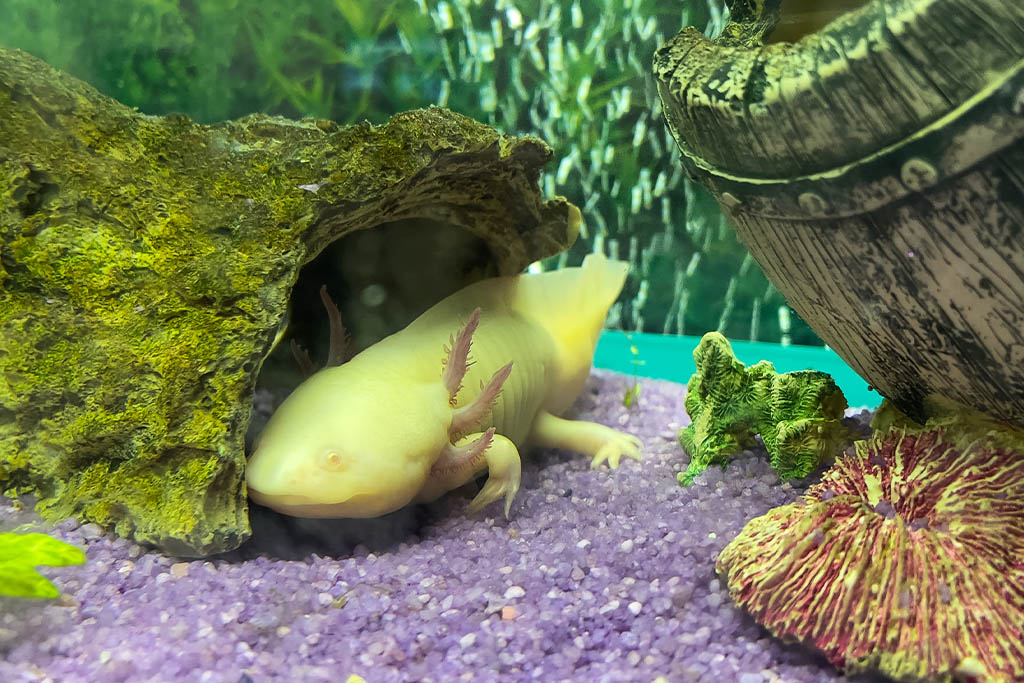
Axolotls (Ambystoma mexicanum) are unique and fascinating aquatic salamanders, renowned for their regenerative abilities and distinctive appearance. As a pet owner, creating the ideal habitat for your axolotl is paramount, and one critical aspect of their environment is the substrate. The substrate not only contributes to the aesthetics of the tank but also plays a vital role in the health and well-being of your axolotl. This article will explore the various types of substrates available, their pros and cons, and guidelines for selecting the most suitable option for your aquatic companion.
Understanding Axolotl Habitats
In their natural environment, axolotls inhabit the freshwater lakes and canals of Mexico, particularly Lake Xochimilco. These waters are often filled with mud and soft sediments, providing a natural substrate for these creatures. Understanding their natural habitat is essential in replicating the conditions necessary for their health and happiness in captivity.
Factors to Consider When Choosing Substrate
When selecting a substrate for your axolotl, consider the following factors:
Comfort: Axolotls enjoy burrowing and moving around, so the substrate should be comfortable for them to navigate.
Safety: Axolotls are known for their curious nature and tendency to ingest small particles. Substrates that are safe to swallow or won’t cause harm if ingested should be a priority.
Maintenance: Substrates can affect the overall maintenance of the aquarium. Some types may require more frequent cleaning or may trap waste, leading to poor water quality.
Aesthetics: The substrate contributes significantly to the tank’s visual appeal. Choose a substrate that complements your tank’s design while ensuring it meets the needs of your axolotl.
Types of Substrate

Bare Bottom
Description: As the name suggests, a bare bottom tank has no substrate. The floor of the tank is bare glass or acrylic.
Pros:
- Easy Cleaning: Debris can be easily removed, and tank maintenance is straightforward.
- No Ingestion Risk: There’s no risk of your axolotl swallowing substrate, reducing the risk of impaction.
Cons:
Lack of Natural Environment: It may not provide the natural feel that some aquarists prefer.
Less Aesthetic Appeal: The bare bottom may look less visually appealing compared to a substrate-covered tank.
Sand
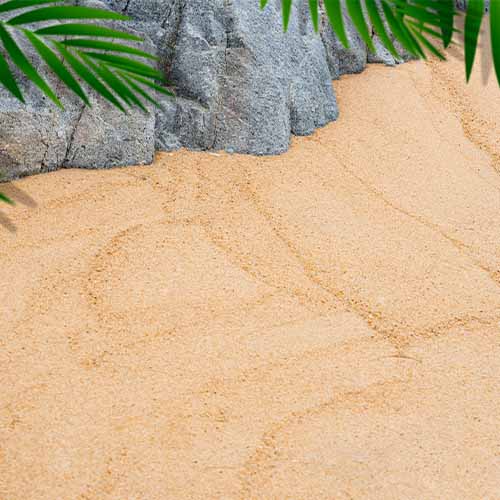
Description: Fine sand is a popular choice among axolotl keepers. It mimics their natural habitat and is soft for the axolotl.
Pros:
- Natural Appearance: Sand can provide a more natural look and feel to the aquarium.
- Easier Digging: Axolotls can burrow in sand, which is a natural behaviour for them.
Cons:
Ingestion Risk: Although fine sand poses less risk than larger substrates, there is still a chance of ingestion.
Maintenance: Sand can compact and trap waste, necessitating regular stirring or siphoning.
Gravel
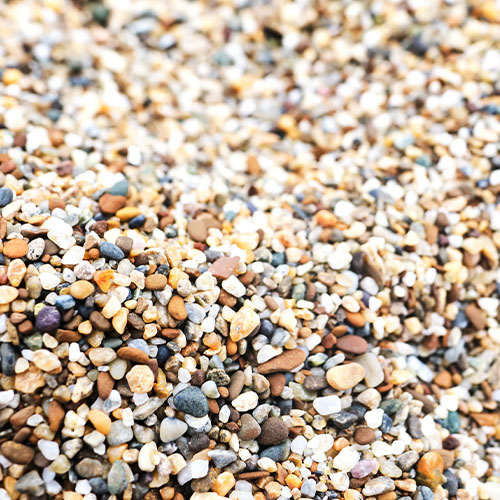
Description: Gravel consists of small stones, often available in various colours and sizes.
Pros:
- Variety of Aesthetics: Gravel can enhance the appearance of the tank with different colours and sizes.
- Easy to Clean: Larger gravel allows for easy cleaning as waste tends to settle on top.
Cons:
Sharp Edges: Some gravel can have sharp edges, which may harm the delicate skin of your axolotl.
Ingestion Risk: Small gravel pieces can be ingested, leading to potential impaction.
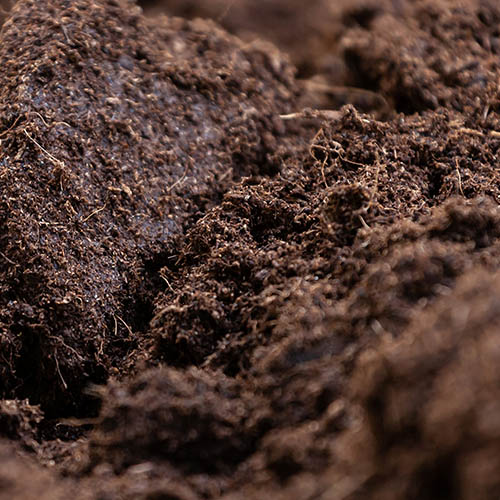
Soil-Based Substrates
Description: These substrates mimic natural sediments and are often used in aquascaping.
Pros:
- Natural Feel: Soil-based substrates can create a very natural environment for your axolotl.
- Beneficial Bacteria: They can harbour beneficial bacteria that help in biological filtration.
Cons:
Compaction: It can compact, reducing its effectiveness as a habitat.
Messy: Soil can cloud the water and is often harder to clean than other substrates.
Artificial Substrates
Description: These are specially designed substrates made from materials that mimic natural environments without the risks associated with natural substrates.
Pros:
- Safety: Many artificial substrates are designed to be safe for ingestion.
- Variety: They come in various textures and colours, allowing for creative tank designs.
Cons:
Maintenance Needs: Some artificial substrates may require specific cleaning methods to avoid degradation.
Cost: Artificial substrates can be more expensive than natural options.
Recommendations for Substrate Selection
Assess Your Axolotl’s Behaviour: Observe your axolotl’s behaviour before making a choice. If they enjoy burrowing, sand might be the best option. For those that are more sedentary, a bare bottom could suffice.
Consider Tank Maintenance: If you are new to aquarium keeping, a bare bottom or larger gravel substrate may be easier to manage. For more experienced aquarists, fine sand or soil-based substrates can be rewarding despite their maintenance needs.
Prioritise Safety: Always choose substrates that pose minimal risk to your axolotl. Avoid sharp or small materials that could be ingested.
Experiment: Don’t be afraid to try different substrates. Many axolotl owners experiment with various types before finding the perfect fit for their pets.
Choosing the right substrate for your axolotl is crucial for creating a healthy, safe, and aesthetically pleasing environment. While there are many options available, each has its advantages and disadvantages. Ultimately, the best substrate will depend on your axolotl’s behaviour, your maintenance preferences, and your aesthetic desires. By considering the factors discussed in this article, you can make an informed decision that will benefit both you and your aquatic companion.
References
Axolotl.org. (2020). Axolotl Housing: Substrate Options.
Aquatic Arts. (n.d.). Axolotl Care Guide.
PetMD. (2021). Axolotl Care: Habitat, Diet & Health.
The Spruce Pets. (2021). How to Set Up a Tank for an Axolotl.
Animalia. (2020). Choosing Substrates for Aquatic Environments.