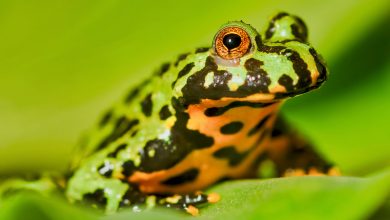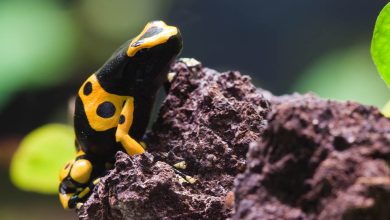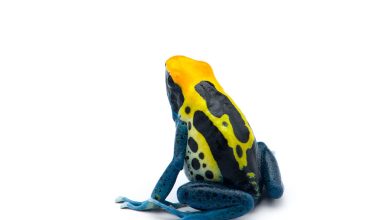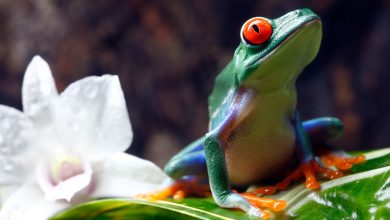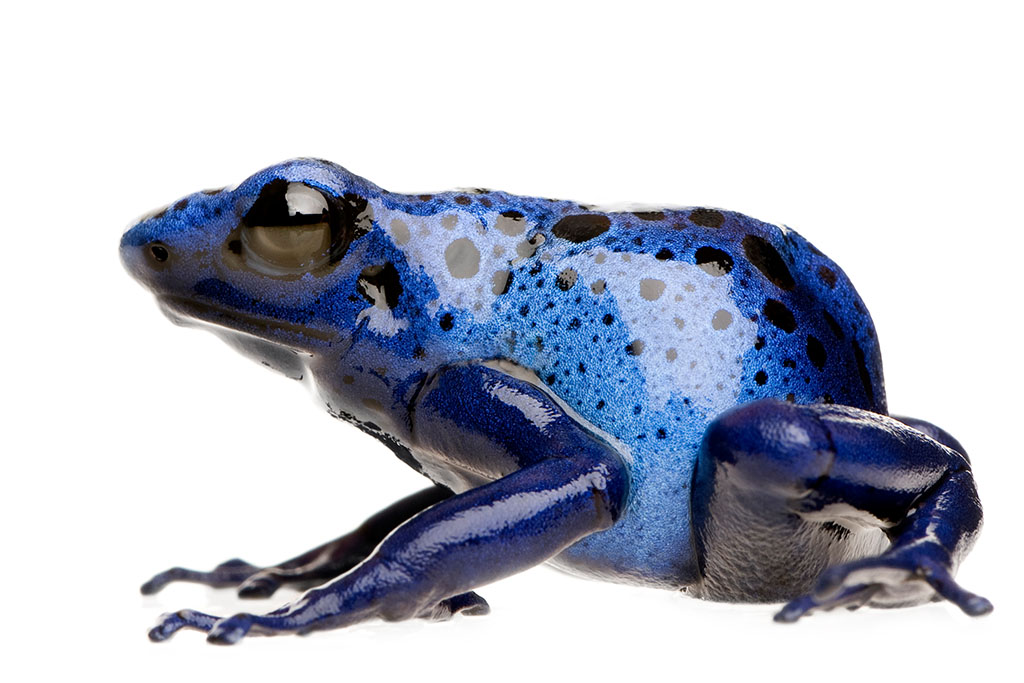
Dart frogs (family Dendrobatidae) are known for their striking colours, relatively small size, and fascinating behaviours, making them popular choices for reptile and amphibian keepers. In recent years, bioactive enclosures have gained traction among hobbyists, offering a more sustainable and natural environment for dart frogs to thrive. This approach mimics their native tropical habitat, creating a self-sustaining ecosystem within the vivarium. Here’s a comprehensive guide on how to create a bioactive enclosure for your dart frog.
Understanding the Concept of a Bioactive Enclosure
A bioactive enclosure is an ecosystem that closely replicates the frog’s natural environment. It involves the use of live plants, microorganisms, and small invertebrates, creating a miniature ecosystem that functions similarly to a rainforest floor. A bioactive setup aims to reduce the need for constant cleaning and maintenance, as decomposing organic matter, such as shed skin and waste, is broken down by microorganisms and detritivores like springtails and isopods.
Benefits of a Bioactive Setup
- Self-Cleaning: The enclosure supports a “clean-up crew” that breaks down waste, making cleaning less frequent.
- Natural Behaviour: Dart frogs exhibit more natural behaviours when in an environment that mimics their native habitat.
- Healthier Environment: Live plants improve air quality by increasing oxygen levels and humidity, which is crucial for dart frogs.
- Aesthetic Appeal: The enclosure looks like a slice of nature, making it visually pleasing.

Choosing the Right Enclosure
The first step in creating a bioactive environment is selecting the right vivarium. Dart frogs need ample ground space and vertical height to explore and climb. A 45x45x60 cm glass terrarium is an ideal starting size for a pair or small group of dart frogs.
Key Features to Look For:
Waterproof Base: A bioactive enclosure requires a substrate that holds moisture, so the tank must be waterproof.
Glass or Acrylic Construction: These materials retain humidity effectively, which is vital for dart frogs.
Ventilation: Dart frogs need good airflow to prevent the build-up of harmful moulds or stagnant air.
Front-Opening Doors: This makes it easier to access the tank without disturbing the frogs or disrupting the environment.
Setting Up the Substrate
The substrate is the foundation of your bioactive enclosure. It not only supports plant growth but also provides a medium for your clean-up crew to thrive. A layered substrate is recommended to mimic the forest floor, allowing water drainage and preventing the buildup of stagnant water that could harm your frogs.
Substrate Layers:
- False Bottom: This layer is essential for water drainage. Hydroballs or expanded clay pellets work well for this. It ensures that excess water collects at the bottom and prevents the substrate from becoming waterlogged.
- Barrier Layer: A mesh barrier, often made of fibreglass or plastic, separates the false bottom from the rest of the substrate. This prevents soil from falling into the drainage layer.
- Soil Layer: This is where your plants will root and your clean-up crew will live. A mix of organic potting soil, coconut fibre (coir), and orchid bark creates a loose, well-draining soil that holds moisture. Some hobbyists also add sphagnum moss to retain humidity.
- Leaf Litter: The topmost layer should consist of dried leaves, such as magnolia or oak, mimicking the natural forest floor. Leaf litter provides hiding spots for both frogs and microfauna, as well as additional organic material for the clean-up crew to break down.
Adding the Clean-Up Crew
No bioactive setup is complete without the clean-up crew, a variety of beneficial organisms that help break down waste and decaying organic matter. The most common species used in dart frog enclosures are springtails (Collembola) and isopods (Armadillidium and Porcellio species). These small invertebrates consume waste and dead plant matter, breaking it down into nutrients that plants can use.
Introducing the Clean-Up Crew:
Springtails: These tiny, white insects thrive in humid environments and feed on mould, decaying plant matter, and frog waste. They are crucial for maintaining soil health in your bioactive enclosure.
Isopods: Available in various sizes and colours, isopods play a significant role in breaking down larger organic matter and aerating the soil. Small species like dwarf white isopods work well in dart frog setups.
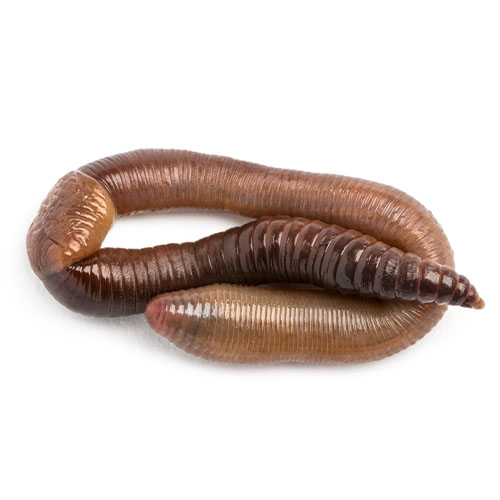
Worms and Nematodes: Some hobbyists also add compost worms or beneficial nematodes to further aid in the decomposition process.
Incorporating Live Plants
Live plants are a crucial component of any bioactive dart frog enclosure. They not only create a more natural aesthetic but also help maintain humidity, oxygenate the air, and provide hiding spots for your frogs. It’s essential to select tropical plants that thrive in high-humidity, low-light conditions similar to the dart frog’s natural environment.
Ideal Plant Choices:
- Bromeliads: These epiphytic plants are often found in dart frog habitats in the wild. They store water in their central cups, providing both hydration and breeding sites for dart frogs.
- Pothos (Epipremnum aureum): A hardy and fast-growing vine, pothos can grow across the substrate and up the walls of the vivarium.
- Philodendron: Available in many varieties, philodendrons are easy to care for and thrive in the humid conditions of a dart frog enclosure.
- Ferns: Species such as the maidenhair fern (Adiantum) or Boston fern (Nephrolepis exaltata) add a lush, forest-like feel.
- Mosses: Live moss, such as Java moss or sheet moss, helps retain moisture and can be grown on rocks, logs, or directly on the substrate.
Planting the Vivarium:
Begin by placing larger plants toward the back of the tank, using rocks or cork bark to create height and structure. Add smaller plants and ground cover toward the front, ensuring they have adequate space to grow. Plant the bromeliads in small pockets of cork bark or attach them to driftwood to mimic their natural epiphytic lifestyle.
Furnishing the Enclosure
To make the enclosure as natural and enriching as possible, you’ll want to add various hardscape elements, including rocks, branches, and cork bark. These items create hiding spots and perching areas for the frogs, while also giving a more authentic look to the habitat.
Key Elements:
Water Features: While dart frogs do not require deep water, a shallow water dish or a small waterfall feature can help increase humidity and add to the enclosure’s aesthetics.
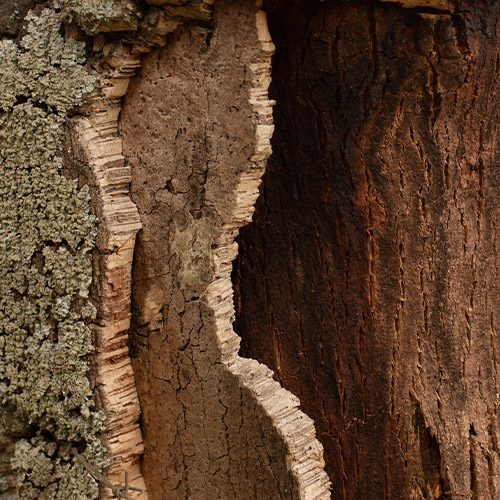
Cork Bark and Driftwood: These provide climbing opportunities and places for your dart frogs to hide. Cork bark is lightweight, resistant to moisture, and can be mounted vertically or placed horizontally.
Rocks: Flat rocks can be placed in areas where frogs may want to bask or rest. Avoid sharp-edged stones that could potentially harm your frog.
Lighting and Heating
Dart frogs are native to the tropics, where they experience 12-hour days year-round, so maintaining an appropriate light cycle is essential. Additionally, though they don’t require high levels of UVB light like some reptiles, proper lighting can help plants thrive and support the frog’s overall well-being.
Lighting Setup:
- Full-Spectrum LED Lights: These are perfect for growing live plants and are energy-efficient. Aim for 12 hours of light per day to mimic the dart frog’s natural photoperiod.
- Low UVB: Although not strictly necessary for dart frogs, providing a low level of UVB (2.0 or 5.0) can contribute to their health without risking overexposure.
Temperature and Humidity:
Dart frogs thrive in temperatures between 22-26°C (72-79°F), with nighttime temperatures dropping no lower than 18°C (64°F). The enclosure’s humidity should be maintained between 80-100%, which can be achieved by regular misting and the use of live plants. An automatic misting system or fogger can help regulate humidity levels more consistently.
Maintaining the Bioactive Enclosure
Although a bioactive enclosure requires less maintenance than a traditional setup, some regular upkeep is necessary to ensure it remains healthy and functional.
Daily Tasks:
- Misting: Check the humidity levels and mist the enclosure at least once or twice a day, depending on your local climate and the needs of the plants.
- Feeding: Dart frogs primarily eat small insects such as fruit flies or pinhead crickets, which should be dusted with a calcium and vitamin supplement before feeding.
Weekly Tasks:
- Pruning Plants: Trim overgrown plants to prevent them from taking over the vivarium.
- Cleaning Water Sources: Clean the water dish or waterfall to prevent algae build-up or contamination.
Monthly Tasks:
- Check for Build-Up: Ensure that waste and detritus are being properly broken down by the clean-up crew. If necessary, you can add more springtails or isopods to boost the system.
- Substrate Refresh: While the substrate should last for a long time in a bioactive enclosure, you may need to replace parts of the leaf litter and topsoil once or twice a year.
Introducing Your Dart Frogs
Once your bioactive enclosure has been fully set up and has had a chance to stabilise (usually after two to four weeks), you can introduce your dart frogs. Be sure that temperature and humidity levels are stable before introducing them. It’s also a good idea to quarantine new frogs for 30 days in a simpler, sterile environment to ensure they are healthy and free from parasites or disease before moving them into the bioactive enclosure.
Creating a bioactive enclosure for your dart frogs is not only a rewarding process but also an excellent way to promote their health and well-being. A well-designed bioactive vivarium mimics their natural habitat, offering opportunities for natural behaviours, better air and water quality, and a more sustainable living environment. With proper planning, your dart frogs will thrive in their self-sustaining ecosystem, giving you the joy of watching these fascinating creatures in a beautifully naturalistic environment.
References
The Frog Lady. “Ultimate Guide to Dart Frog Care”.
Dendroboard Forums. “Creating Bioactive Setups for Dart Frogs”.
Amphibian Ark. “Dart Frog Care Sheet”.
Reptile Magazine. “Building a Bioactive Vivarium for Frogs”,
Josh’s Frogs. “Bioactive Dart Frog Terrarium Setup”.