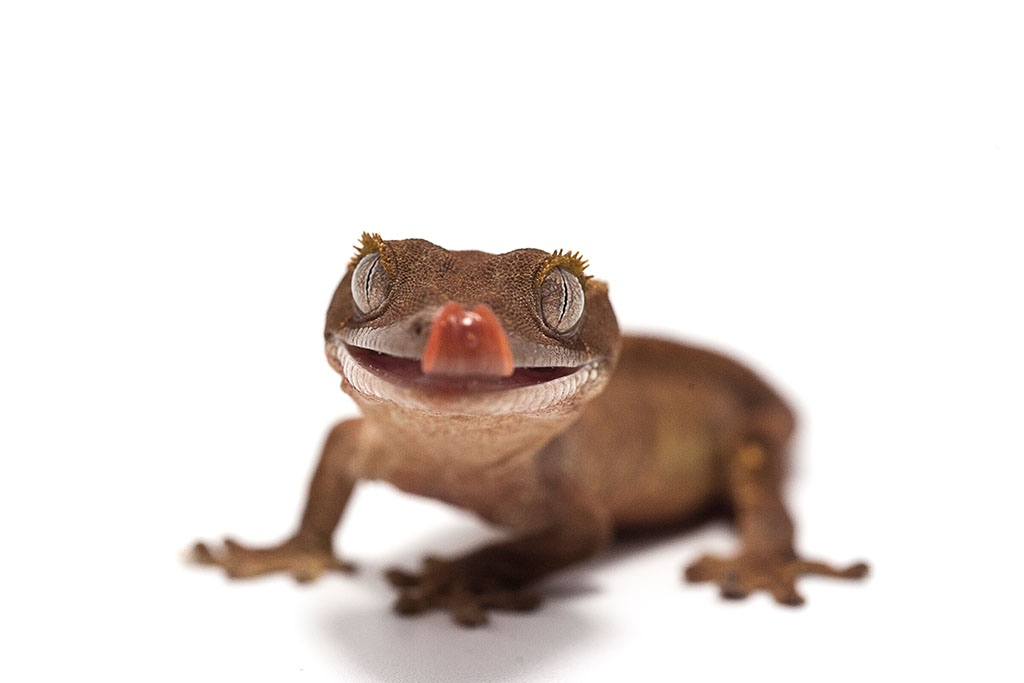
When keeping a crested gecko (Correlophus ciliatus) as a pet, their habitat plays a crucial role in ensuring their well-being. One of the most important factors in maintaining a healthy environment for your crested gecko is choosing the right substrate. This substrate not only impacts the cleanliness and maintenance of the terrarium but also affects the gecko’s health, comfort, and stress levels. In this article, we will explore the various substrates available for crested geckos, detailing their benefits and drawbacks, and help you make the most informed decision for your reptilian friend.
What is Substrate and Why is it Important?
In the context of terrariums, substrate refers to the material that lines the bottom of the enclosure. It serves several purposes, including:
- Absorbing moisture: Crested geckos thrive in a humid environment, and a good substrate can help maintain optimal humidity levels.
- Mimicking natural habitat: A suitable substrate helps replicate the gecko’s natural forest floor habitat, making it feel secure and comfortable.
- Facilitating waste management: Substrate plays a key role in absorbing waste products, making the environment cleaner and healthier for your gecko.
- Promoting plant growth (in bioactive setups): If you have live plants in your terrarium, substrate choice becomes crucial for supporting plant health and microbial ecosystems.
For crested geckos, choosing a safe and effective substrate is essential to ensure their comfort and prevent health issues like impaction (blockage of the digestive system due to ingesting foreign material). Now, let’s explore some popular options.
Types of Substrates for Crested Geckos
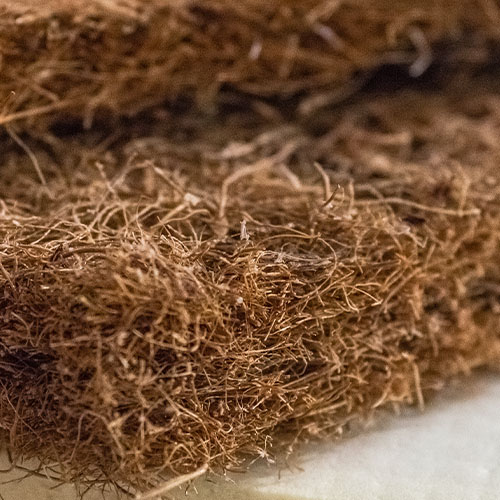
Coconut Fibre (Coco Coir)
Description: Coconut fibre, or coco coir, is a popular substrate made from the husks of coconuts. It usually comes in bricks that expand when soaked in water, making it economical and easy to use.
Advantages:
- Moisture retention: Coco coir is excellent at holding moisture, which is important for maintaining the high humidity levels crested geckos need.
- Natural look: It provides a natural, earthy appearance that resembles the forest floor, making the enclosure aesthetically pleasing.
- Soft texture: The soft consistency of coconut fibre makes it safe and comfortable for geckos to walk on.
- Bioactive-friendly: It’s an excellent option for bioactive vivariums, as it can support plant growth and promote beneficial microbial activity.
Disadvantages:
- Risk of ingestion: If the coconut fibre becomes too loose or dry, there is a slight risk that the gecko may ingest it, potentially leading to impaction.
- Frequent replacement: Coconut fibre can become soggy over time and may need to be replaced more frequently to avoid mould and bacterial buildup.
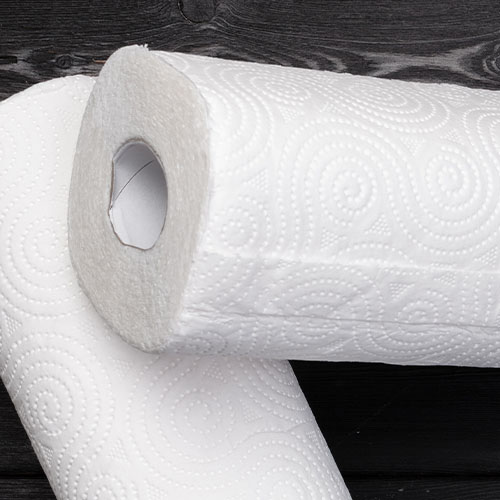
Paper Towels
Description: Paper towels are a simple, non-naturalistic substrate option, frequently recommended for juvenile geckos or those kept in temporary enclosures.
Advantages:
- Ease of cleaning: Paper towels are one of the easiest substrates to clean. You can simply replace the soiled sheets, ensuring a hygienic environment for your gecko.
- Ingestion safety: There is no risk of impaction because crested geckos cannot ingest paper towels.
- Cost-effective: Paper towels are inexpensive and easily accessible.
- Clear monitoring: This substrate makes it easy to observe waste production, ensuring you can monitor the health of your gecko.
Disadvantages:
Limited comfort: They do not offer the same level of comfort as softer substrates, and some geckos may find the texture less appealing.
Aesthetics: Paper towels do not provide a natural look and can detract from the overall appearance of the enclosure.
Not bioactive: Paper towels do not support plant growth or microbial ecosystems, making them unsuitable for bioactive terrariums.
Orchid Bark (Reptile Bark)
Description: Orchid bark, commonly made from fir, is a chunky substrate often used in humid environments, including terrariums for crested geckos.
Advantages:
- Moisture retention: Orchid bark is excellent at holding humidity, helping maintain the ideal environment for crested geckos.
- Aesthetic appeal: It provides a naturalistic look that complements the tropical habitat of your gecko.
- Good drainage: The chunky texture allows for good air circulation and drainage, reducing the chances of mould and bacterial growth.
- Bioactive setups: Orchid bark is compatible with bioactive enclosures, supporting plant growth and soil organisms.
Disadvantages:
- Risk of ingestion: Like coconut fibre, there is a risk that small pieces of bark could be accidentally ingested, leading to impaction.
- Sharp edges: Some pieces of bark may have rough or sharp edges that could cause injury to your gecko if not handled properly.
Moss (Sphagnum or Carpet Moss)
Description: Moss, especially sphagnum moss, is often used as a supplement or in combination with other substrates. It adds an additional layer of moisture retention and texture.
Advantages:
- Exceptional moisture retention: Moss is one of the best materials for holding humidity in the terrarium, crucial for keeping your gecko hydrated and comfortable.
- Natural appearance: Moss enhances the natural look of the enclosure and helps mimic the moist forest floor of a gecko’s native habitat.
- Soft and safe: Moss is soft, providing a safe walking surface for crested geckos. It’s less likely to cause injury or impaction compared to harder materials.
Disadvantages:
- Not suitable alone: Moss should not be used as the sole substrate, as it doesn’t provide the stability or structure required for the gecko’s environment. It works best when combined with other substrates like coconut fibre or bark.
- Maintenance: Moss can become mouldy if left wet for too long, so it requires regular inspection and maintenance.
Bioactive Substrate Mix
Description: A bioactive substrate mix is designed to mimic a natural ecosystem, combining materials like coco coir, orchid bark, and leaf litter. This substrate is usually accompanied by live plants, beneficial bacteria, and cleanup crew organisms (e.g., springtails and isopods).
Advantages:
- Self-sustaining: Bioactive substrates promote a balanced ecosystem that naturally breaks down waste, reducing the need for regular substrate changes.
- Ideal for plant growth: This substrate supports live plants, which help improve air quality and maintain humidity levels.
- Natural habitat replication: A bioactive setup closely resembles the gecko’s native environment, reducing stress and improving overall well-being.
- Long-term cost efficiency: Though more expensive to set up, a bioactive terrarium requires less frequent substrate replacement, potentially saving money over time.
Disadvantages:
- Complexity: Setting up and maintaining a bioactive substrate is more complex than using a simple, non-living substrate. It requires regular monitoring to ensure the balance of microorganisms and plants.
- Cost: The initial cost of setting up a bioactive substrate can be higher due to the need for live plants, cleanup crew organisms, and specialized materials.
Reptile Carpet
Description: Reptile carpet is a synthetic, washable mat designed to line the floor of a terrarium.
Advantages:
- Reusability: Reptile carpet can be cleaned and reused multiple times, making it a more eco-friendly and cost-effective option.
- Ingestion safety: Since it is a solid surface, there is no risk of ingestion, preventing issues like impaction.
- Ease of cleaning: Reptile carpet is relatively easy to clean, and its solid surface allows you to quickly remove waste and dirt.
Disadvantages:
- Limited moisture retention: Reptile carpet does not absorb moisture well, making it more difficult to maintain the high humidity levels needed by crested geckos.
- Unnatural look: It doesn’t replicate the natural forest floor, which may detract from the aesthetic of the terrarium.
- Potential for bacterial growth: If not cleaned regularly, reptile carpet can harbour bacteria, which may lead to health problems for your gecko.
Factors to Consider When Choosing a Substrate
Humidity Control
Crested geckos require humidity levels between 60% and 80%. Substrates like coconut fiber, orchid bark, and moss help retain moisture, ensuring the terrarium remains within this optimal range. If you live in a dry climate, these moisture-retentive substrates will help keep your gecko hydrated and comfortable.
Safety
Impaction is one of the main risks when using loose substrates like coconut fibre, bark, or moss. If you’re concerned about ingestion, opt for paper towels or reptile carpet, especially for juvenile geckos or geckos with health issues.
Ease of Cleaning
Some substrates, like paper towels and reptile carpet, are easier to clean than others. For a low-maintenance setup, these may be preferable. Bioactive substrates, while initially more complex, offer a long-term, self-sustaining solution that requires less frequent cleaning once established.
Natural Appearance
If aesthetics are important to you, substrates like coconut fibre, orchid bark, and bioactive mixes provide a more natural look. These substrates mimic the gecko’s wild environment, making them feel more secure.
Bioactive Enclosures
For those who want a naturalistic, self-sustaining ecosystem, a bioactive substrate is the best option. It not only supports plant life but also creates a healthy environment by facilitating natural waste breakdown.
Choosing the right substrate for your crested gecko is a crucial decision that affects its health, comfort, and happiness. Each type of substrate offers its own set of advantages and drawbacks, so it’s important to consider your individual gecko’s needs, your maintenance preferences, and the overall aesthetic you want to achieve. Whether you opt for a simple and easy-to-clean solution like paper towels or invest in a more complex bioactive setup, making an informed choice will ensure your gecko thrives in its environment.
References
Thompson, L. (2022). The Ultimate Crested Gecko Handbook. Gecko Nation Publishers.
Cox, T. (2019). Crested Gecko Care: The Complete Guide. TCK Publishing.
Handler, M. (2021). Crested Geckos for Beginners. Reptile House Press.
Smith, A. (2020). “Choosing the Best Substrate for Your Crested Gecko.” Reptile World Online. www.reptileworldonline.com
Davis, J. (2018). “Bioactive Vivarium Basics.” The Reptile Habitat. www.reptilehabitat.com