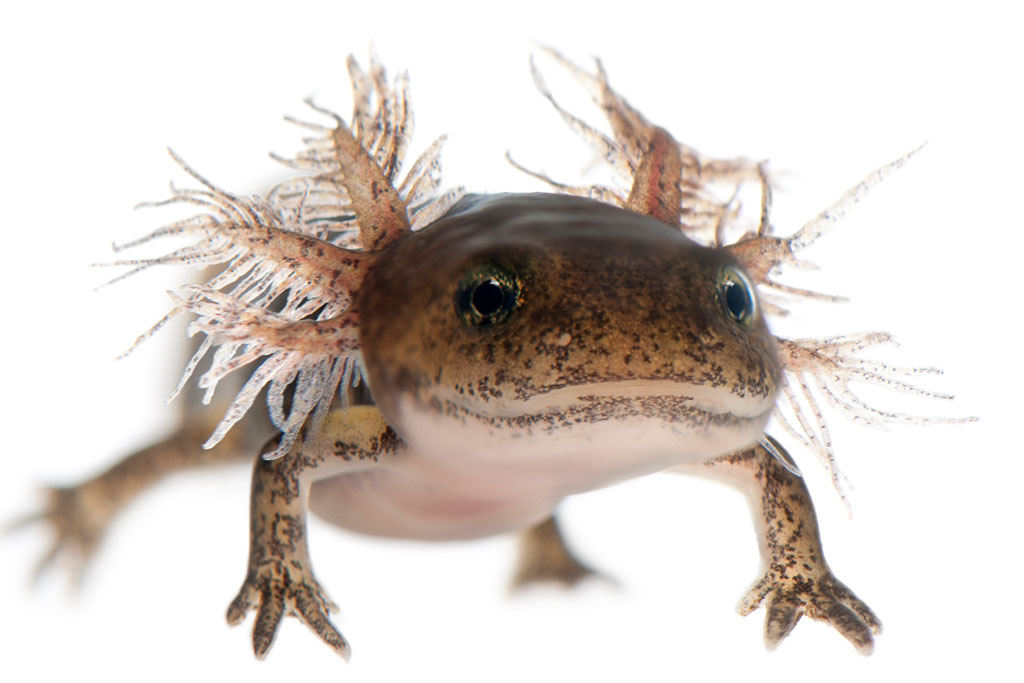
Axolotls, also known as Ambystoma mexicanum, are fascinating aquatic creatures renowned for their unique appearance and regenerative capabilities. As popular pets, they require specific care to thrive. This article outlines the top ten essential supplies for keeping axolotls healthy and happy, ensuring they receive the proper environment and care.
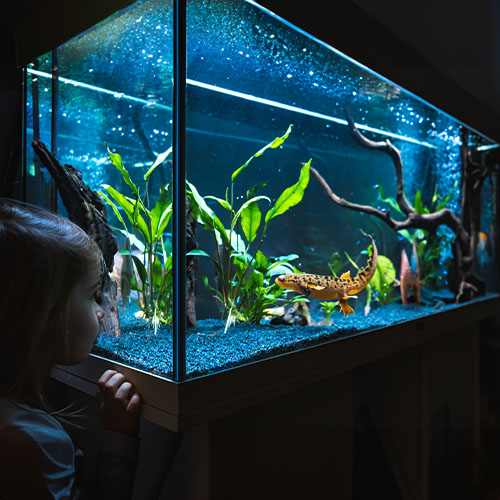
1. Aquarium
The foundation of any axolotl habitat is the aquarium itself. An aquarium with a minimum size of 75 litres or 20 gallons is recommended for a single axolotl, as these animals can grow to be quite large, averaging about 9 to 12 inches in length. Larger tanks are advisable if you plan to keep multiple axolotls. The tank should be long rather than tall, as axolotls prefer to swim horizontally.
When choosing an aquarium, consider the following:
- Cover: Axolotls can jump, so a secure lid is essential to prevent escapes.
- Material: Glass or acrylic is preferred. Glass is more durable and scratch-resistant, while acrylic is lighter but can scratch easily.
- Shape: A long, wide tank provides more swimming space.
2. Water Conditioner
Axolotls are sensitive to chlorine and chloramines found in tap water, which can harm their gills and overall health. A quality water conditioner is essential to neutralise these harmful chemicals. Look for a dechlorinator that specifically mentions its efficacy against both chlorine and chloramines.
Key points to consider when selecting a water conditioner:
- Dosage: Follow the manufacturer’s instructions carefully to ensure the proper amount is used.
- Additional Features: Some conditioners also promote slime coat health, which can be beneficial for your axolotl.
3. Substrate
The choice of substrate can greatly affect the health of your axolotl. While some owners use bare-bottom tanks for easier cleaning, many prefer a substrate that resembles the natural environment.
Recommended substrates include:
- Sand: Fine sand is a popular choice as it is safe and easy to clean. Avoid using coarse or sharp gravel, as it can cause impaction if ingested.
- Smooth river rocks: Larger, smooth stones can also work, but ensure they are too big for your axolotl to swallow.
Note: Avoid any substrate that could cause ingestion issues, as axolotls often sift through the substrate while foraging for food.
4. Filter
A reliable filter is crucial for maintaining water quality in your axolotl’s habitat. Axolotls produce a significant amount of waste, making efficient filtration essential to prevent toxic buildup.
Types of filters suitable for axolotls include:
- Sponge Filters: These are ideal for axolotls, providing gentle water flow that won’t disturb them and allowing beneficial bacteria to thrive.
- Canister Filters: These are more powerful and can handle larger tanks, but ensure the flow is adjustable to avoid strong currents.
Maintenance Tip: Regularly clean the filter and replace media according to the manufacturer’s instructions to keep your axolotl’s environment healthy.
5. Heater (Optional)
While axolotls prefer cooler water temperatures (between 16°C and 18°C or 60°F and 64°F), a heater may be necessary in colder climates or during winter months.
If using a heater, consider these aspects:
- Submersible Heaters: Choose one that is adjustable and has a built-in thermostat to maintain the ideal temperature.
- Aquarium Thermometer: Use a thermometer to monitor water temperature accurately, ensuring it remains within the recommended range.
6. Lighting
Axolotls do not require bright lighting, as they are naturally found in dimly lit environments. However, some low-level lighting may be beneficial for observing them and for plant growth if you choose to include live plants in the tank.
Tip: Ensure that lighting is on a timer, providing a natural day/night cycle of about 12 hours of light and 12 hours of darkness.
Axolotls do not require bright lighting, as they are naturally found in dimly lit environments. However, some low-level lighting may be beneficial for observing them and for plant growth if you choose to include live plants in the tank.
Tip: Ensure that lighting is on a timer, providing a natural day/night cycle of about 12 hours of light and 12 hours of darkness.
7. Food
Axolotls are carnivorous and require a diet rich in protein. The right food is vital for their growth and health.
Recommended food sources include:
- Worms: Earthworms and blackworms are excellent choices.
- Pellets: High-quality axolotl pellets are specially formulated to meet their dietary needs.
- Frozen Foods: Bloodworms and brine shrimp can also be provided.
Feeding Tips:
- Frequency: Young axolotls should be fed daily, while adults can be fed every 2-3 days.
- Portion Control: Offer an amount that can be consumed within a few minutes to prevent uneaten food from polluting the tank.
8. Water Testing Kit
Maintaining optimal water quality is critical for axolotl health. A water testing kit allows you to regularly monitor important parameters such as ammonia, nitrites, nitrates, and pH levels.
Essential components to test include:
- Ammonia: Should be at 0 ppm.
- Nitrites: Also should be 0 ppm.
- Nitrates: Should be kept below 20 ppm.
- pH Level: Ideally, it should range between 6.5 and 7.5.
Tip: Test the water weekly, especially in newly established tanks, to ensure a healthy environment.
9. Aquatic Plants and Décor
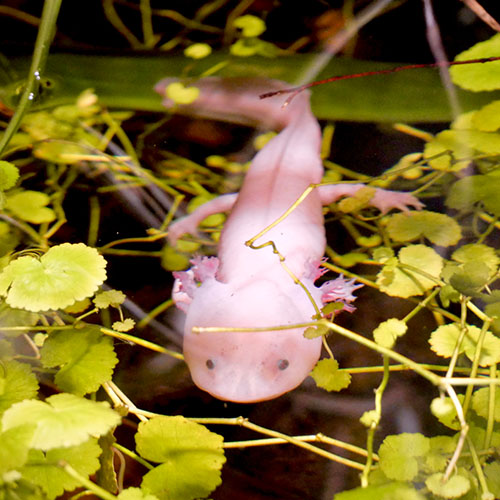
Adding live or artificial plants to the tank not only enhances aesthetics but also provides hiding spots and helps maintain water quality by absorbing nitrates.
Recommended plants include:
- Anubias: Hardy and low-light tolerant.
- Java Fern: Also low maintenance and safe for axolotls.
- Hornwort: A floating plant that provides cover and helps with filtration.
Decor tips:
- Hiding Places: Provide caves, PVC pipes, or other structures for your axolotl to hide in, as they appreciate having places to retreat.
- Avoid Sharp Edges: Ensure that all decor items are smooth and free from sharp edges to prevent injury.
10. Maintenance Supplies
Regular maintenance is crucial for keeping your axolotl healthy. This includes supplies for cleaning and maintaining the aquarium. Essential maintenance items include:
- Algae Scraper: To keep the glass clean.
- Siphon or Gravel Vacuum: For performing regular water changes and removing waste.
- Water Change Bucket: A dedicated bucket for filling and draining the tank to prevent contamination from other sources.
Caring for an axolotl requires thoughtful preparation and dedication. By gathering the essential supplies outlined in this article, you can create a safe, comfortable, and enriching environment for your axolotl. Regular monitoring of water quality and temperature, along with appropriate feeding and maintenance routines, will help ensure your pet thrives for many years to come.
References
PetMD. (n.d.). Axolotl Care Guide. Available at: PetMD.
The Spruce Pets. (n.d.). The Complete Guide to Axolotl Care. Available at: The Spruce Pets.
Animal Planet. (n.d.). Axolotl Care: Habitat, Diet, and Health. Available at: Animal Planet.
Axolotl Sanctuary. (n.d.). Setting Up an Axolotl Tank. Available at: Axolotl Sanctuary.
Aquatic Community. (n.d.). Axolotl Diet and Feeding. Available at: Aquatic Community.
The Fish Tank. (n.d.). Water Quality Management for Aquatic Pets. Available at: The Fish Tank.
Aquarium Co-Op. (n.d.). Aquatic Plants for Axolotl Tanks. Available at: Aquarium Co-Op.
Reptiles Magazine. (n.d.). Axolotl Habitat and Maintenance. Available at: Reptiles Magazine.
FishLab. (n.d.). Aquarium Filtration Systems Explained. Available at: FishLab.
Axolotl Nerd. (n.d.). Choosing the Right Substrate for Your Axolotl. Available at: Axolotl Nerd.