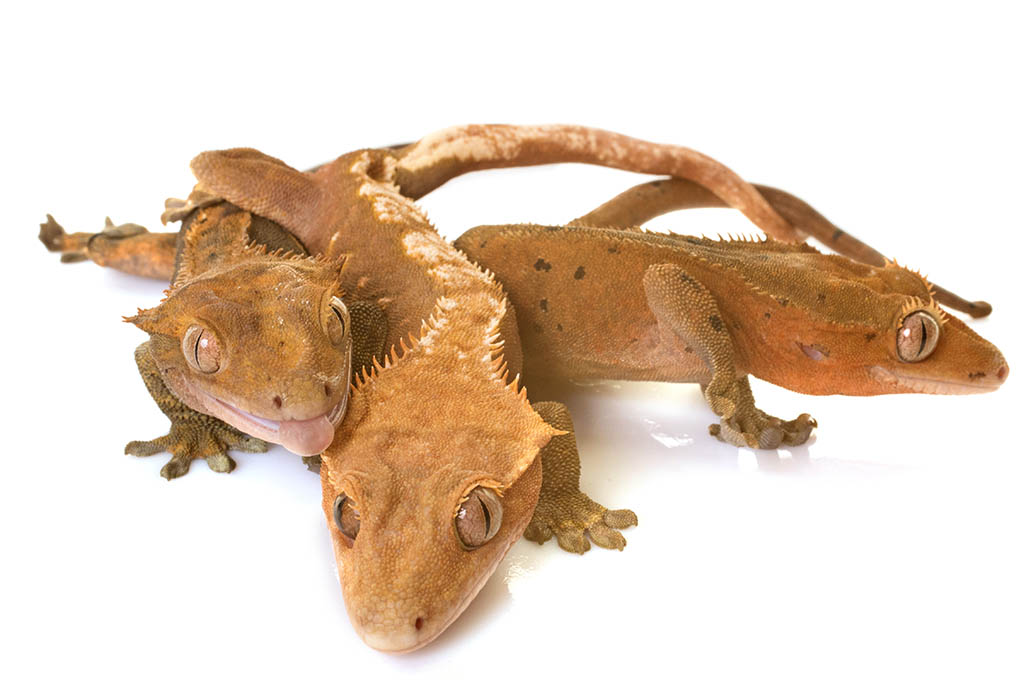
Crested geckos (Correlophus ciliatus), often referred to as “cresties,” are one of the most popular pet reptiles, especially for beginners. They are known for their distinctive fringed crests running from their eyes to their tails, ease of care, and generally docile nature. These geckos, originally from New Caledonia, a group of islands between Fiji and Australia, were once thought to be extinct but were rediscovered in 1994. Since then, they have become a beloved pet in the reptile community.
This guide will walk you through everything you need to know about crested geckos, from their natural history and basic care needs to setting up a proper enclosure, feeding habits, and handling.
Natural History and Characteristics
Crested geckos are small to medium-sized geckos, usually growing between 7 to 9 inches in total length, including their tails. They come in a wide variety of colors and patterns, known as “morphs,” which are prized by breeders and enthusiasts alike. One of the crested gecko’s most fascinating traits is that they are a semi-arboreal species, meaning they are adapted to spend most of their lives climbing in trees, rather than on the ground.
Lifespan:
Crested geckos can live up to 15–20 years in captivity when cared for properly, making them a long-term commitment.
Activity Levels:
They are nocturnal, meaning they are most active at night. During the day, you will often find them resting or hiding among foliage in their enclosure.
Tail Loss:
One unique characteristic of crested geckos is that they can lose their tails as a defense mechanism if they feel threatened. Unlike some other geckos, their tails do not regenerate once lost. However, tailless geckos, often called “frog butts,” live perfectly healthy lives.
Housing and Enclosure Setup
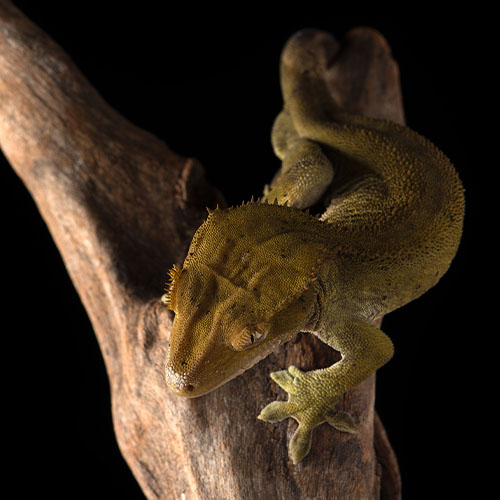
One of the great things about crested geckos is that they do not require an excessively large or complex enclosure, making them ideal for beginners.
Enclosure Size
For an adult crested gecko, a vertically-oriented tank of at least 18x18x24 inches (45x45x60 cm) is recommended. This gives them plenty of space to climb and explore, which is essential for their well-being. Juveniles can be kept in smaller enclosures, but they should be moved to larger ones as they grow.
Substrate
Choosing the right substrate for the bottom of the enclosure is important for maintaining humidity levels and ensuring the gecko’s comfort. Some popular choices include:
- Coconut fiber (coco coir): Retains moisture well and is natural for burrowing.
- Paper towels: A great choice for easy cleaning, especially for juveniles.
- Bioactive substrate: This consists of soil and other organic materials and is paired with live plants and microfauna (such as isopods and springtails). This type of setup mimics the gecko’s natural environment and reduces the need for frequent cleaning.
Avoid using loose substrates like sand or small particles that could cause impaction if ingested.
Temperature and Humidity
Crested geckos are unique in that they do not require intense heat. They thrive at room temperatures between 22°C to 26°C (72°F and 78°F). Avoid temperatures above 28°C (82°F), as it can cause stress and overheating.
Humidity levels should be maintained between 50% and 70%. This can be achieved by misting the enclosure once or twice daily. A hygrometer should be used to monitor humidity levels accurately. Low humidity can cause shedding problems, while too much can lead to mold growth and respiratory issues.
Lighting
Since crested geckos are nocturnal, they do not require special UVB lighting, although some keepers opt to provide low-level UVB to mimic a more natural day/night cycle. Natural light is sufficient in most cases. If you do decide to use UVB lighting, make sure it is of a low-intensity range (5.0 or 5% UVB), and only on during the day for 10–12 hours.
Decor
Enclosures for crested geckos should mimic their natural habitat. You will want to provide:
- Vertical climbing opportunities: Use branches, cork bark, and vines.
- Hiding spots: Geckos need places to feel secure, such as hiding caves or large leaves.
- Live or artificial plants: Plants help maintain humidity and provide additional hiding places.
Live plants such as pothos, bromeliads, or ficus can be a great addition to a bioactive setup, as they not only look great but also help maintain humidity and air quality in the enclosure.
Feeding Crested Geckos
Crested geckos are omnivores, meaning their diet consists of both plant material and insects.
Commercial Diets
The easiest and most balanced way to feed a crested gecko is through a commercial powdered diet formulated specifically for them. These are typically mixed with water to create a fruit-flavoured paste that geckos love. Repashy and Pangea are two highly reputable brands that offer crested gecko diets but several new ones are now on the market such as Blue River Diets and Arcadia.
Feed this paste 3 to 4 times a week. Once mixed, it can be left in the enclosure for 24 hours.
Live Insects
While a commercial diet can be the staple, crested geckos also enjoy live insects such as crickets, dubia roaches, and black soldier fly larvae. These insects should be dusted with a calcium supplement, especially if you are not using UVB lighting.
Live insects should be offered 1 to 2 times a week. Ensure that the insects are appropriately sized – they should not be larger than the space between the gecko’s eyes.

Water
Crested geckos usually get most of their hydration from their food and from licking water droplets after misting. However, it is a good idea to always provide a small, shallow water dish in their enclosure, changing the water daily.
Handling and Temperament
Crested geckos are known for their calm and docile nature, making them a great pet for beginners. However, they can be a bit skittish, especially when young, and may jump unexpectedly. With regular, gentle handling, most geckos will become accustomed to human interaction.
Tips for Handling
- Support their body: Always make sure to support their body fully when handling them. Let them crawl from one hand to the other.
- Avoid tail grabs: Never grab them by the tail. As mentioned earlier, they can drop their tails if they feel threatened.
- Keep sessions short: At first, keep handling sessions to 5–10 minutes, gradually increasing as the gecko gets more comfortable.
Geckos have delicate skin, so make sure to wash your hands before handling them to avoid transferring oils or harmful chemicals onto them.
Common Health Issues
Crested geckos are generally hardy reptiles, but there are a few health concerns to be aware of:
Shedding Problems
Crested geckos regularly shed their skin. If humidity levels are too low, they may have difficulty shedding, leading to stuck skin, especially around the toes and eyes. Ensuring proper humidity and providing shedding aids like a moist hide or regular misting can help prevent this issue.
Metabolic Bone Disease (MBD)
This is a common issue in reptiles caused by calcium deficiency. To prevent MBD, ensure your gecko’s diet is supplemented with calcium, especially if you are not using UVB lighting.
Parasites
Parasites can be an issue for geckos, especially if they are housed in unclean enclosures or fed wild-caught insects. Regularly clean their enclosure and buy insects from reputable suppliers.
If you notice unusual behavior such as lethargy, a lack of appetite, or abnormal droppings, it’s best to consult a veterinarian experienced with reptiles.
Breeding Crested Geckos
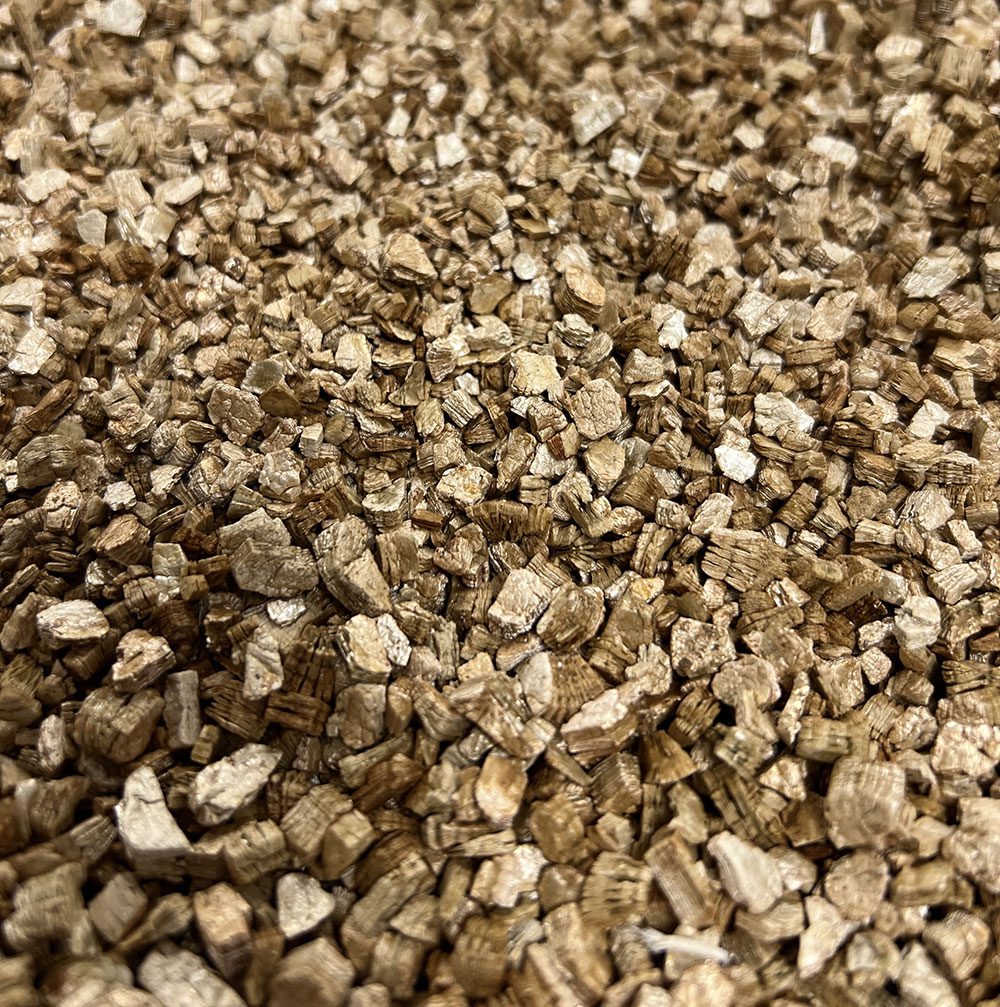
For those interested in breeding crested geckos, it’s essential to understand that females can store sperm and lay multiple clutches from one mating. Females typically lay two eggs per clutch, and these eggs can take around 60–90 days to hatch, depending on the temperature. Correct moisture levels should be kept throughout incubation, generally maintained such specialised substrates such as vermiculite.
Make sure you have space for baby geckos and a plan for rehoming them, as each female can lay 6 to 10 clutches per year.
Crested geckos are fantastic pets for both beginners and experienced reptile keepers alike. They are relatively easy to care for, require minimal space, and can live long, healthy lives if given the right conditions. Their curious and calm personalities, along with their varied colors and patterns, make them a joy to observe and handle.
By setting up a proper enclosure, providing a balanced diet, and maintaining the correct environment, you can ensure your crested gecko thrives for years to come.
References
Exotic Direct. (2022). “Crested Gecko Care Guide.” www.exoticdirect.co.uk/news/crested-gecko-care-guide
Reptiles Magazine. (2021). “Crested Gecko Care Sheet.” www.reptilesmagazine.com/crested-gecko-care-sheet/
Reptile Direct. (2022). “Crested Gecko Habitat, Diet, and Health.” www.reptiledirect.com/crested-gecko-care-guide/
The Spruce Pets. (2023). “Crested Gecko: How to Care for Them.” www.thesprucepets.com/crested-gecko-care-1236953
Repashy Superfoods. (2020). “Crested Gecko Diet FAQ.” www.repashy.co.uk/crested-gecko-diet.html