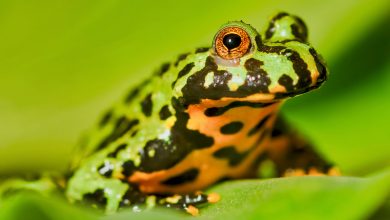
The Pacman frog, scientifically known as Ceratophrys ornata, is a fascinating amphibian that has captivated the hearts of reptile enthusiasts and hobbyists around the world. With their unique appearance, distinctive calls, and intriguing behaviours, these frogs have a rich history intertwined with both natural history and the pet trade. In this article, we will explore the origins, habitat, breeding, cultural significance, and conservation status of Pacman frogs.
Taxonomy and Origins
The Pacman frog belongs to the family Lepidobatrachidae, which includes a variety of other frog species. First described in 1824 by the German zoologist Johann Georg Wagler, Ceratophrys ornata is commonly referred to as the Pacman frog due to its round, flattened body and large mouth, reminiscent of the classic arcade game character Pac-Man.
Etymology
The name “Ceratophrys” derives from Greek roots, where “keras” means “horn” and “ophrys” refers to “eyebrow” or “eyelid.” This name reflects the species’ notable cranial features, particularly the prominent bony ridges above their eyes. The specific name “ornata” means “ornamented” in Latin, alluding to the frog’s striking colour patterns.

Habitat and Distribution
Pacman frogs are native to South America, primarily found in regions such as Argentina, Paraguay, and parts of Brazil. They inhabit a variety of environments, including grasslands, savannas, and tropical forests, but they prefer areas with adequate moisture. These frogs are often found in close proximity to temporary ponds and wetlands, where they can breed during the rainy season.
Ecological Role
In their natural habitats, Pacman frogs play a significant role in the ecosystem as both predators and prey. They primarily feed on insects, small rodents, and other small animals, using their unique hunting strategy that involves ambushing their prey. This opportunistic feeding behaviour is crucial for controlling insect populations and maintaining ecological balance.
Historical Context
While Pacman frogs have been known to science since the early 19th century, their popularity as pets has surged in recent decades. Their distinct appearance and relatively easy care requirements have made them a staple in the exotic pet trade.

Cultural Significance
In some South American cultures, the Pacman frog is associated with traditional beliefs and practices. Indigenous communities have long revered various amphibians for their medicinal properties, with some species believed to hold spiritual significance. However, the specific cultural practices involving Pacman frogs remain less documented compared to other amphibians.
In some South American cultures, the Pacman frog is associated with traditional beliefs and practices. Indigenous communities have long revered various amphibians for their medicinal properties, with some species believed to hold spiritual significance. However, the specific cultural practices involving Pacman frogs remain less documented compared to other amphibians.
Breeding and Care in Captivity
Pacman frogs became popular in the pet trade during the 1970s and 1980s, thanks in part to their vibrant colours and unique behaviours. Today, they are bred extensively in captivity, which has contributed to the availability of various colour morphs, including albino and green variants.
Reproduction
Pacman frogs are known for their explosive breeding behaviour. During the breeding season, males will call to attract females, producing loud, resonant croaks that can be heard from a distance. Once a female selects a mate, she will lay several hundred eggs in water, which hatch into tadpoles within a few days.
The tadpoles grow rapidly, feeding on algae and plant matter before undergoing metamorphosis into juvenile frogs. This rapid growth is essential for survival, as juvenile frogs face numerous predators in their environment.
Care Requirements
For those interested in keeping Pacman frogs as pets, it is crucial to provide an environment that mimics their natural habitat. They require a well-maintained terrarium with appropriate humidity, temperature, and substrate. A diet consisting primarily of insects, such as crickets and mealworms, is essential for their health.
Pacman frogs are known for their docile nature, making them suitable for beginner reptile enthusiasts. However, it is important to handle them with care, as they can be sensitive to stress and environmental changes.
Conservation Status
While Pacman frogs are not currently listed as endangered, their populations are threatened by habitat destruction, pollution, and the pet trade. Deforestation and urbanisation have significantly reduced their natural habitats, impacting their populations in the wild.
Conservation Efforts
Efforts to conserve Pacman frogs and their habitats are ongoing. Various organisations and wildlife agencies are working to raise awareness about the importance of preserving amphibian diversity. Captive breeding programmes have also been established to help maintain healthy populations and reduce the pressure on wild populations.

The Role of Pacman Frogs in Research
Pacman frogs have also become subjects of scientific research due to their unique biological characteristics. Their relatively simple care requirements and rapid growth make them ideal candidates for studies in ecology, physiology, and behaviour.
Pacman frogs have also become subjects of scientific research due to their unique biological characteristics. Their relatively simple care requirements and rapid growth make them ideal candidates for studies in ecology, physiology, and behaviour.
Insights into Evolution
Researchers studying Pacman frogs have gained valuable insights into the evolutionary adaptations of amphibians. For instance, the study of their feeding habits and predatory behaviours has provided a better understanding of the ecological roles frogs play in their environments.
Amphibian Decline Research
As global amphibian populations face unprecedented declines due to climate change, habitat loss, and disease, Pacman frogs serve as an important model for understanding these challenges. Research involving Pacman frogs can shed light on the broader issues affecting amphibians worldwide, contributing to conservation strategies for various species.
The Pacman frog is a remarkable species with a rich history that encompasses both natural history and human interest. From their unique adaptations and ecological significance to their cultural associations and popularity in the pet trade, Pacman frogs continue to captivate the imagination of people around the world.
As we strive to understand and protect these fascinating creatures, it is vital to recognise the importance of conserving their habitats and advocating for responsible pet ownership. Through continued research and conservation efforts, we can ensure that future generations will also have the opportunity to appreciate the wonders of Pacman frogs.
References
McDiarmid, R. W., & Altig, R. (1999). Tadpoles: The Biology of Anuran Larvae. University of Chicago Press.
Dodd, C. K. (2010). Amphibian Ecology and Conservation: A Handbook of Techniques. Oxford University Press.
Gibbons, J. W., & Scott, D. E. (2005). “The Challenges of Reptile and Amphibian Conservation.” Herpetologica, 61(1), 58-69.
Stuart, S. N., et al. (2004). “Status and Trends of Amphibian Declines and Extinctions Worldwide.” Science, 306(5702), 1783-1786.
Frost, D. R. (2019). “Amphibian Species of the World: An Online Reference.” American Museum of Natural History. amphibiansoftheworld.amnh.org.
Kermack, D. J. (2008). “The Ecology of the Pacman Frog.” The Herpetological Journal, 18(1), 49-56.
Ziegler, T., & C. S. Maran. (2018). “Reproductive Strategies of Pacman Frogs.” Journal of Herpetology, 52(3), 280-285.