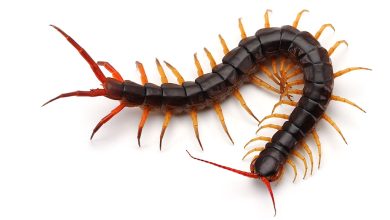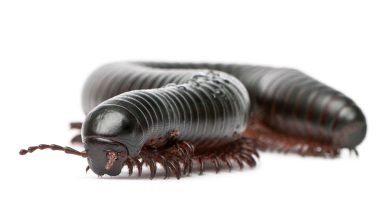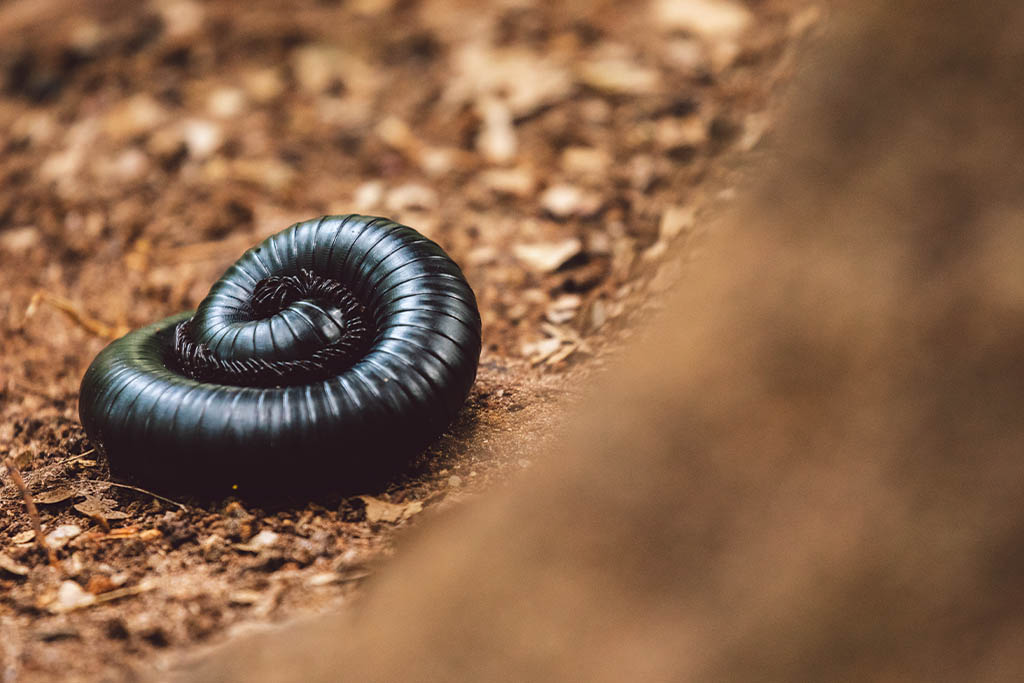
Giant African millipedes (Archispirostreptus gigas) are fascinating and gentle creatures, known for their impressive size and unique biology. Creating a suitable habitat for them is crucial for their health and wellbeing, and maintaining that habitat through regular cleaning is essential. This article will delve into how often you should clean your giant African millipede terrarium, the methods of cleaning, and tips for ensuring a thriving environment for your millipedes.
Understanding the Habitat
Before discussing cleaning frequency, it’s vital to understand what constitutes a suitable habitat for giant African millipedes. Their terrarium should replicate their natural environment, featuring:
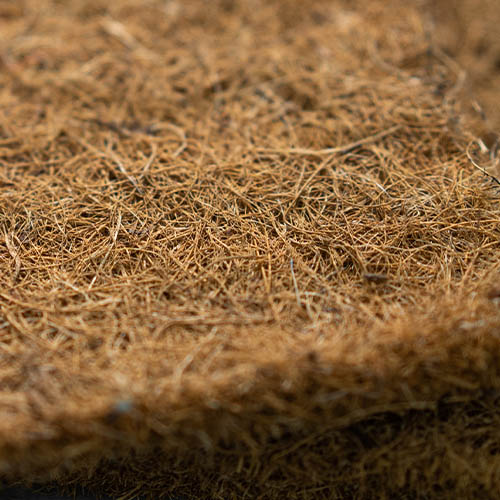
- Substrate: A deep layer of soil, leaf litter, and coconut coir that allows for burrowing.
- Humidity: A humid environment is crucial, typically ranging between 70% and 90%.
- Temperature: The ideal temperature for these millipedes is between 24°C to 30°C (75°F to 86°F).
- Hiding Spots: Branches, pieces of bark, and hiding spots should be available to provide security.
These elements will affect how often you need to clean the terrarium. The more complex the habitat, the less frequently it may need cleaning due to a well-established ecosystem.
Cleaning Frequency
Regular Maintenance: Weekly Check-ups
While you won’t need to perform a complete overhaul of the terrarium weekly, it’s essential to conduct regular check-ups to ensure a clean and healthy environment. During these weekly maintenance sessions, you should:
- Remove Uneaten Food: Any leftover food can decompose and promote the growth of mould or harmful bacteria, so remove it after 24 to 48 hours.
- Spot Clean: Remove any waste or uneaten food and check for any signs of mould or pests.

Monthly Deep Clean
A more thorough cleaning should be done once a month. This involves:
- Changing the Substrate: Replace a portion of the substrate (about 25% to 50%) to maintain freshness while preserving beneficial microorganisms.
- Cleaning Decorations and Hiding Spots: Remove any decorations and clean them using a mild vinegar solution. Rinse thoroughly to remove any residue before returning them to the terrarium.
- Checking Temperature and Humidity: Use a hygrometer and thermometer to ensure that your millipede’s habitat remains within the ideal ranges.
Seasonal Cleaning: Every 3-6 Months
Every three to six months, a more extensive cleaning may be necessary, especially if you notice a decline in the habitat’s health or your millipedes’ wellbeing. This may involve:
- Full Substrate Change: Replace the old substrate entirely, but ensure you keep some of the old substrate to retain beneficial bacteria.
- Complete Sanitisation: Clean all surfaces of the terrarium, including the glass, with a safe cleaning solution. Rinse thoroughly before reassembling.
- Re-evaluating the Setup: During this cleaning, assess whether your current setup meets your millipedes’ needs. Adjust humidity and temperature controls as necessary.
Signs Your Terrarium Needs Cleaning
Keeping an eye on your millipedes and their habitat can help you determine when it’s time for a clean. Some signs to look for include:
- Strong Odour: If your terrarium starts to smell unpleasant, it’s a sign that waste or uneaten food is decomposing.
- Visible Waste Buildup: Accumulation of faeces or uneaten food indicates that cleaning is necessary.
- Mould Growth: Fungal growth on substrate or decorations is a clear indication that the environment needs a thorough clean.
- Illness in Millipedes: If your millipedes show signs of illness or lethargy, it may be due to poor habitat conditions, necessitating immediate cleaning.
Cleaning Methods
Step-by-Step Guide to Cleaning Your Terrarium
When cleaning your giant African millipede terrarium, follow these steps to ensure a thorough and safe process:
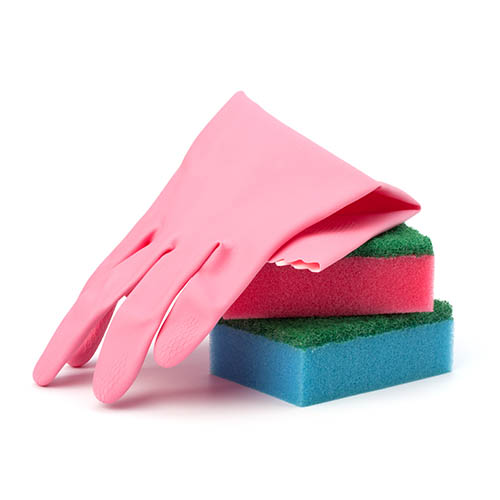
- Gather Your Supplies: You’ll need a mild cleaning solution (like vinegar or a reptile-safe cleaner), a soft cloth or sponge, a small scoop or trowel, and a bucket for waste removal.
- Remove Your Millipedes: Carefully transfer your millipedes to a temporary holding container. Ensure it has moisture and food to keep them comfortable.
- Dispose of Old Substrate: Remove the old substrate and any waste materials. Composting organic waste can be beneficial if done properly.
- Clean the Terrarium: Use the mild cleaning solution to wipe down all surfaces. Rinse thoroughly to eliminate any residue. Avoid harsh chemicals that can harm your millipedes.
- Replace Substrate: Add fresh substrate, mixing in some of the old substrate to retain beneficial bacteria.
- Reintroduce Your Millipedes: Once the terrarium is cleaned and reassembled, gently place your millipedes back into their habitat.
- Monitor Conditions: After cleaning, keep an eye on the humidity and temperature levels to ensure they remain stable.
Tips for Maintaining a Clean Habitat
- Use Natural Materials: Incorporate natural elements like leaf litter and coconut coir, which can help maintain humidity and provide a natural food source.
- Provide a Balanced Diet: A well-fed millipede is less likely to produce excess waste. Ensure you provide a balanced diet of fresh vegetables, fruits, and commercial millipede food.
- Consider Live Plants: Adding live plants can enhance humidity levels and contribute to a self-sustaining ecosystem, reducing cleaning frequency.
- Avoid Overcrowding: Too many millipedes in one enclosure can lead to excess waste. Ensure your terrarium is appropriately sized for the number of inhabitants.
- Observe Behaviour: Watch for changes in your millipedes’ behaviour, which can indicate issues with their habitat. If they become lethargic or hide more than usual, it might be time to clean.
Maintaining a clean terrarium for your giant African millipedes is crucial for their health and happiness. Regular check-ups, monthly deep cleans, and seasonal overhauls will ensure your millipedes thrive in a safe and suitable environment. By following these guidelines and observing your millipedes’ behaviour, you can create a healthy and enriching habitat that allows these remarkable creatures to flourish.
References
The Invertebrate Guide (2023). “Cleaning and Maintaining a Millipede Habitat.” Invertebrate Guide.
McMurtry, J. (2018). The Complete Care Guide to Giant African Millipedes. University Press.
Fenton, A. (2020). The Millipede Manual: Comprehensive Care of Your Millipede. Natural History Publishing.
Allsopp, M. (2019). The World of Millipedes: Their Care and Maintenance. Green Planet Books.
Smith, D. (2021). Giant African Millipedes: Habitat, Diet, and Care. Pet Enthusiast Press.
Carter, R. (2022). Setting Up a Millipede Terrarium: A Step-by-Step Guide. Reptile World Publications.
Terrarium Keepers (2023). “Giant African Millipedes: Care and Maintenance.” Terrarium Keepers.