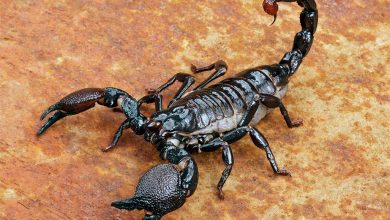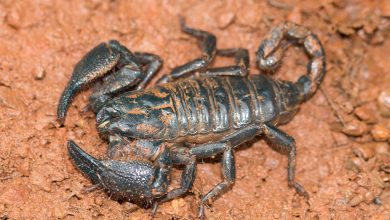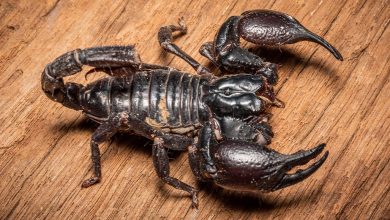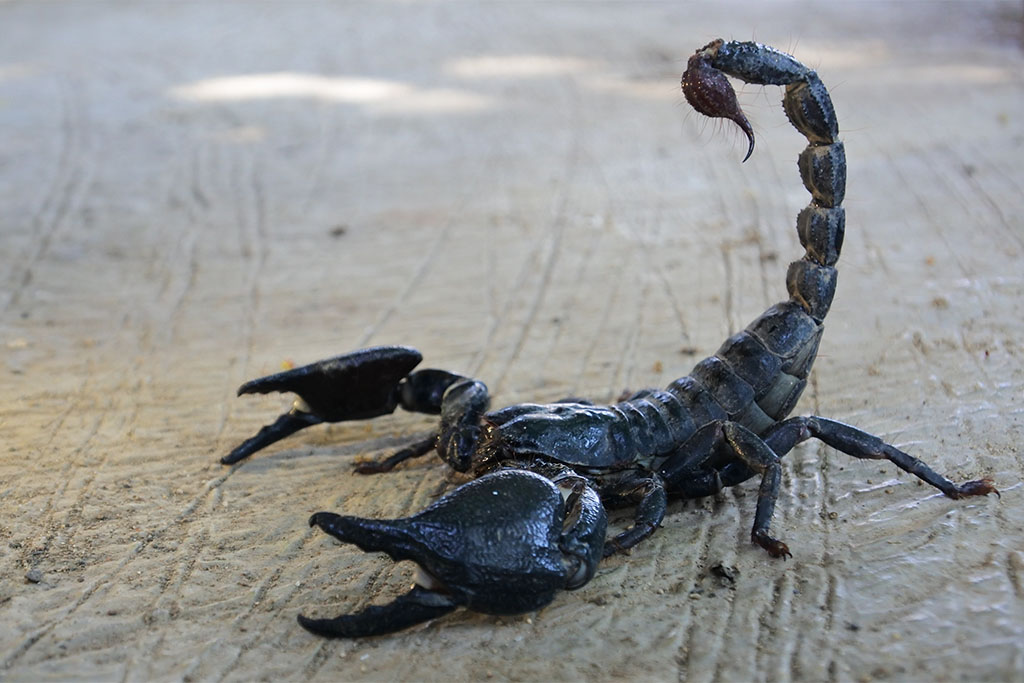
Emperor scorpions (Pandinus imperator) are one of the most popular species of scorpions kept as pets due to their impressive size, relatively docile nature, and striking appearance. Native to the rainforests and savannas of West Africa, these arachnids thrive in specific environmental conditions that mimic their natural habitat. Understanding the appropriate temperature and humidity levels is crucial for ensuring the health and well-being of these fascinating creatures. This article delves into the ideal temperature and humidity requirements for emperor scorpions, as well as providing insights into their care and husbandry.

Natural Habitat and Behaviour
Emperor scorpions are predominantly found in regions with warm temperatures and high humidity. They inhabit rainforests, where they take refuge in leaf litter, under logs, and in burrows. In their natural environment, they experience a humid tropical climate, with temperatures typically ranging from 25°C to 30°C (77°F to 86°F). This climate plays a vital role in their biology, influencing their activity levels, feeding behaviour, and reproductive cycles.
Emperor scorpions are nocturnal, preferring to remain hidden during the day and becoming active at night. They are opportunistic predators, feeding on insects and other small invertebrates. The combination of temperature and humidity in their habitat affects their hunting behaviour and overall health, making it essential for keepers to replicate these conditions in captivity.
Temperature Requirements
Optimal Temperature Range
- The ideal temperature range for emperor scorpions is between 24°C and 30°C (75°F and 86°F). Within this range, they are most active, feeding regularly and exhibiting natural behaviours. Temperatures below 24°C can lead to lethargy, reduced appetite, and potential health issues.
Heat Sources
- To maintain the required temperature in a scorpion enclosure, heat sources such as heat mats or heat lamps can be used. Heat mats should be placed underneath one side of the tank to create a temperature gradient. This allows the scorpion to move between warmer and cooler areas, giving it the choice to regulate its body temperature.
Monitoring Temperature
- It’s vital to monitor the temperature within the enclosure using a reliable thermometer. Digital thermometers with probes are recommended for accuracy. Placing one thermometer on the warm side and another on the cool side of the enclosure helps ensure that the entire habitat remains within the desired temperature range.
Night Temperature Drop
- A slight drop in temperature at night (to around 20°C to 24°C or 68°F to 75°F) can mimic natural conditions, as temperatures in the wild tend to decrease after sunset. However, care must be taken to ensure that temperatures do not fall too low, as emperor scorpions are sensitive to extreme temperature changes.
Avoiding Temperature Fluctuations
- Sudden temperature fluctuations can be detrimental to emperor scorpions. Maintaining a stable environment is crucial for their health. Avoid placing the enclosure near air conditioning vents, drafty windows, or heaters that can cause temperature changes.
Humidity Requirements
Optimal Humidity Levels
- Emperor scorpions thrive in humidity levels ranging from 70% to 80%. This high humidity is essential for hydration, skin shedding, and overall health. Insufficient humidity can lead to problems such as dehydration, poor moulting, and stress.
Humidity Monitoring
- Humidity should be monitored using a hygrometer, preferably a digital one for accurate readings. Place the hygrometer at mid-level within the enclosure to get a representative reading of the overall humidity.
Maintaining Humidity
To maintain the necessary humidity levels, several methods can be employed:
- Substrate: Use a substrate that retains moisture, such as coconut coir, peat moss, or a mixture of both. This substrate can be lightly misted with water to increase humidity.
- Misting: Regular misting of the enclosure can help raise humidity levels. However, avoid over-misting, as excessive water can lead to mould growth or create a breeding ground for bacteria.
- Water Dish: Provide a shallow water dish in the enclosure. This not only aids in maintaining humidity but also provides a source of hydration for the scorpion.

Ventilation
- While maintaining high humidity is essential, adequate ventilation is equally important to prevent the buildup of stagnant air, which can lead to mould and other health issues. Ensure that the enclosure has proper ventilation holes or a mesh top to allow for air circulation while retaining humidity.
Signs of Incorrect Humidity Levels
- Be aware of the signs indicating incorrect humidity levels. If the enclosure is too dry, the scorpion may exhibit lethargy, difficulty shedding, or signs of dehydration (such as a shrivelled appearance). Conversely, excessive humidity can lead to condensation on the walls of the enclosure or the substrate becoming waterlogged, which can cause respiratory issues.
Seasonal Changes and Adjustments
Seasonal Variations
- In their natural habitat, emperor scorpions experience seasonal changes that can affect temperature and humidity. During the rainy season, humidity levels rise significantly, while the dry season can lead to lower humidity. As a keeper, it’s essential to mimic these changes, adjusting your care routine accordingly.
Breeding Considerations
- If you plan to breed emperor scorpions, it’s crucial to understand their reproductive cycle. Higher humidity levels are often required during the mating and gestation periods. Gradually increasing humidity levels during these times can encourage successful breeding.
General Care Tips
Feeding
- Emperor scorpions are opportunistic feeders and primarily consume crickets, mealworms, and other small invertebrates. Ensure that food items are appropriately sized, generally no larger than the scorpion’s claw width. Feeding should be done every few days, adjusting the frequency based on the scorpion’s age and size.
Handling
- While emperor scorpions are known for their relatively docile temperament, handling should be approached with caution. Always ensure that the scorpion is healthy and calm before attempting to handle it, and use appropriate tools if necessary to minimise stress.
Enclosure Size
- The size of the enclosure should be appropriate for the size of the scorpion. A standard recommendation is a terrarium of at least 30 gallons (45x45x60cm) for an adult emperor scorpion. Providing ample space allows for better temperature and humidity regulation, as well as room for natural behaviours.
Substrate Depth
- A substrate depth of at least 5–10 cm is recommended, as emperor scorpions enjoy burrowing. This not only provides a natural behaviour but also helps in retaining humidity.
Environmental Enrichment
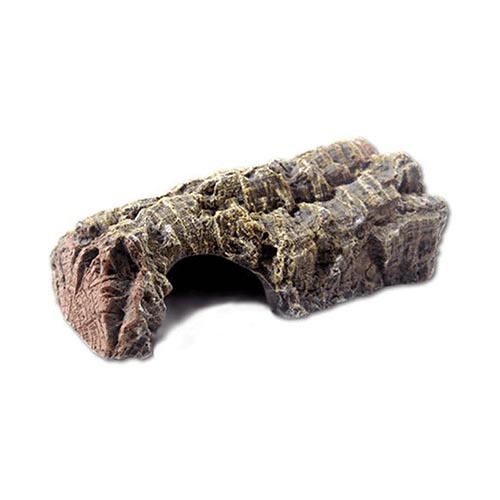
- Adding hides, rocks, or branches can create a more stimulating environment. This enrichment mimics their natural habitat, promoting healthy behaviours and reducing stress.
Maintaining the correct temperature and humidity levels for emperor scorpions is vital for their health and well-being. By replicating their natural environment, keepers can ensure that these fascinating arachnids thrive in captivity. Regular monitoring of both temperature and humidity, combined with appropriate care and enrichment, will lead to a successful and rewarding experience for both the keeper and the scorpion.
References
Martinez, R. (2017). Creating the Perfect Habitat for Your Scorpion. Arachnids Today, 12(1), 22-29. arachnidstoday.com
Brown, B. (2018). Scorpion Care: Temperature and Humidity. Exotic Animal Care. exoticanimalcare.com
Turturro, M. (2020). Understanding the Emperor Scorpion. Scorpion Habitat and Care. scorpionhabitat.com
DiMarco, L. (2021). Keeping Emperor Scorpions: A Care Guide. Pet Reptiles Magazine, 34(2), 45-52.
Reddick, J. (2019). Temperature and Humidity in Scorpion Care: The Basics. Reptiles Magazine. reptilesmagazine.com
Smith, A. (2022). The Complete Guide to Keeping Scorpions as Pets. Reptiles & Amphibians, 45(4), 30-39.