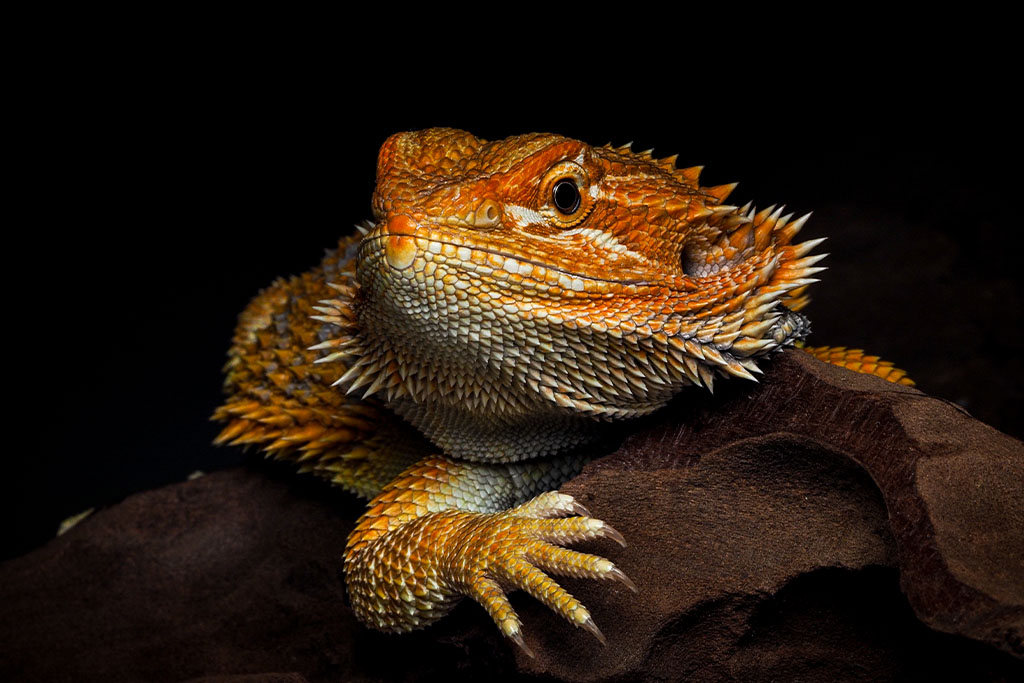
Bearded dragons are one of the most popular reptiles kept as pets, known for their docile nature and intriguing behaviour. One of the most critical aspects of bearded dragon care is providing an appropriate thermal environment. In their natural habitat, these lizards bask in the sun and require a temperature gradient to thrive. This article will delve into the advantages and disadvantages of two common heating options: heat mats and ceramic heaters, helping you make an informed decision for your scaly friend.
Understanding Bearded Dragon Heat Requirements
Before comparing heat mats and ceramic heaters, it’s essential to understand bearded dragons’ heat needs. As ectothermic creatures, bearded dragons rely on external sources of heat to regulate their body temperature. The optimal temperature range for a bearded dragon enclosure is typically between 26-32°C (78-90°F) on the warm side and 21-24°C (70-75°F) on the cool side, with a basking spot that reaches around 35-40°C (95-104°F).
Providing a thermal gradient is vital for their overall health, as it allows them to move between areas of different temperatures, which is necessary for digestion, metabolism, and overall well-being.
Heat Mats: Overview and Features
What are Heat Mats?
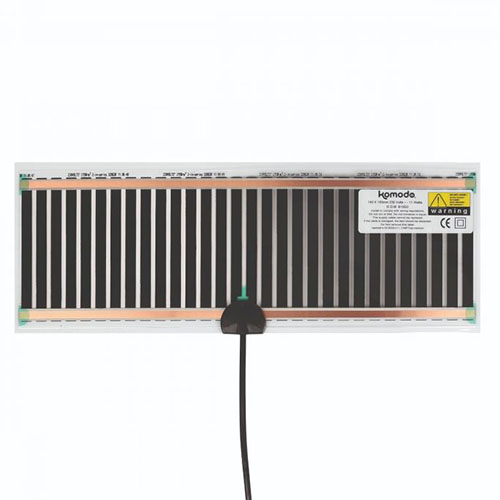
Heat mats are flat, flexible heating devices that can be placed under or inside the enclosure. They typically consist of a heating element enclosed in a durable material, allowing them to emit heat gently.
Advantages of Heat Mats
- Ease of Use: Heat mats are straightforward to install and use. They can be plugged into a thermostat to regulate the temperature automatically.
- Low Profile: Their thin design makes them unobtrusive, allowing for more floor space for your bearded dragon to roam.
- Direct Heat: Heat mats provide a consistent and gentle heat source. This can be beneficial for certain health conditions, such as when a bearded dragon is recovering from illness.
- Cost-Effective: Generally, heat mats are less expensive than ceramic heaters, making them a budget-friendly option for heating enclosures.
- Energy Efficient: Heat mats typically use less electricity than some other heating options, making them an economical choice in the long run.
Disadvantages of Heat Mats
- Limited Heating Area: Heat mats usually heat a smaller area compared to ceramic heaters. This can make it difficult to create a suitable temperature gradient, especially in larger enclosures.
- Risk of Burns: If a heat mat is placed directly under a substrate that retains heat, there is a risk of burns to your pet. It’s crucial to ensure that the heat mat is adequately protected.
- Dependence on Substrate: The efficiency of heat mats is often affected by the substrate used. Thicker substrates can insulate and reduce heat transfer.
Ceramic Heaters: Overview and Features
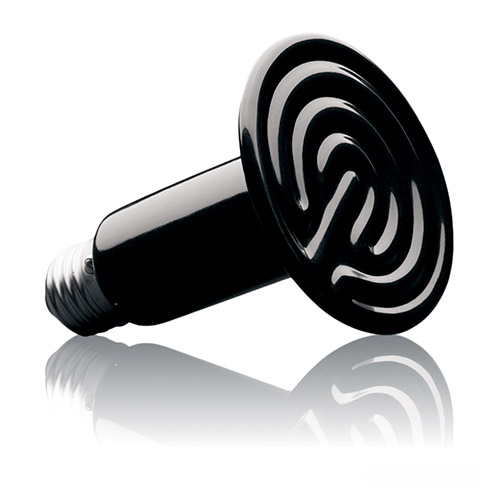
What are Ceramic Heaters?
Ceramic heaters are bulb-like heating devices that emit infrared radiation to warm the air and surfaces within the enclosure. They can be mounted in a fixture, providing a heat source that warms the surrounding area.
Advantages of Ceramic Heaters
- High Heat Output: Ceramic heaters can provide significant heat output, making them suitable for larger enclosures and enabling the creation of a strong temperature gradient.
- Radiant Heat: They emit infrared radiation, which heats the objects and surfaces in the enclosure rather than just the air. This type of heat can mimic the sun’s warmth and be more effective in maintaining a comfortable environment for your bearded dragon.
- Durability: Ceramic heaters are generally more robust than heat mats and can last longer with proper care.
- No Light Emission: Unlike incandescent bulbs, ceramic heaters do not emit visible light. This is beneficial for maintaining a natural day/night cycle, allowing your bearded dragon to rest undisturbed at night.
- Variety of Sizes: Ceramic heaters come in various wattages and sizes, providing flexibility in choosing the right heater for your enclosure’s size.
Disadvantages of Ceramic Heaters
- Higher Initial Cost: Ceramic heaters tend to be more expensive than heat mats, which can be a consideration for budget-conscious reptile owners.
- Energy Consumption: Ceramic heaters often consume more electricity than heat mats, which can impact your energy bills over time.
- Potential for Overheating: If not properly regulated with a thermostat, ceramic heaters can overheat the enclosure, posing a risk of thermal stress to your bearded dragon.
- Installation Complexity: Installing ceramic heaters may require more setup, including fixtures and thermostat, which can be more complex than simply laying down a heat mat.
Comparing Heat Mats and Ceramic Heaters
Heat Distribution
Heat Mats: Provide localized heat, which can create hot spots but may not adequately warm the entire enclosure. They work best in smaller setups where a single heat source is sufficient.
Ceramic Heaters: Offer more extensive heat coverage and can warm larger areas effectively, facilitating a more even temperature gradient across the enclosure.
Safety Considerations
Heat Mats: There is a risk of burns if the mat is not appropriately used or monitored. It’s essential to ensure that it’s not placed under thick substrates or covered by materials that trap heat.
Ceramic Heaters: Although they are generally safe when properly installed, ceramic heaters can also pose a risk of overheating if not regulated by a thermostat.
Light Emission
Heat Mats: Do not emit any light, allowing for a natural day/night cycle without disturbing your pet’s rest.
Ceramic Heaters: Emit no visible light, which is beneficial for maintaining a dark environment at night.
Both are compatible to use with a light emitting basking spot.
Heat mats and ceramic heaters should be used alongside UVB lighting regardless if used with or without a basking spot bulb.
Best Practices for Heating Your Bearded Dragon’s Enclosure
- Use a Thermostat: Regardless of whether you choose a heat mat or a ceramic heater, always use a thermostat to regulate the temperature accurately. This will help prevent overheating and ensure a comfortable environment for your pet.
- Monitor Temperatures: Use multiple thermometers to monitor the temperatures at different points in the enclosure, including the basking spot, the warm side, and the cool side. This will help you maintain the appropriate temperature gradient.
- Combine Heating Sources: In larger enclosures, consider using both heating methods. For example, a ceramic heater can provide ambient warmth while a heat mat can create a warm area for basking.
- Regular Maintenance: Inspect your heating devices regularly for wear and tear. Replace any damaged equipment promptly to ensure your bearded dragon remains safe.
- Provide Hides and Climbing Opportunities: Ensure your bearded dragon has access to hides and climbing areas where they can retreat to cooler spots if they get too warm.
Choosing between heat mats and ceramic heaters for your bearded dragon requires careful consideration of their specific heating needs and the characteristics of each heating method. Heat mats offer convenience, affordability, and ease of use, making them an excellent choice for smaller setups or as supplementary heat sources. Conversely, ceramic heaters provide a powerful heating option that can cover larger areas and mimic natural sunlight more effectively.
Ultimately, the best choice will depend on your specific situation, including the size of the enclosure, your budget, and your pet’s individual needs. Always ensure that whichever heating method you choose, it is paired with a suitable thermostat and monitored regularly to maintain a safe and comfortable environment for your beloved bearded dragon.
References
Bearded Dragon Care Guide. (2023). The Reptile Room. thereptileroom.com.
Heating Reptiles. (2023). Reptiles Magazine. reptilesmagazine.com.
Bearded Dragon Temperatures. (2023). The Spruce Pets. thesprucepets.com.
Choosing the Right Heating for Your Reptile. (2023). Reptiles Magazine. reptilesmagazine.com.
How to Care for Your Bearded Dragon. (2023). PetMD. petmd.com.
The Importance of Heat for Bearded Dragons. (2023). Bearded Dragon HQ. beardeddragonhq.com.
Ceramic Heaters vs. Heat Mats. (2023). The Reptile Warehouse. thereptilewarehouse.com.